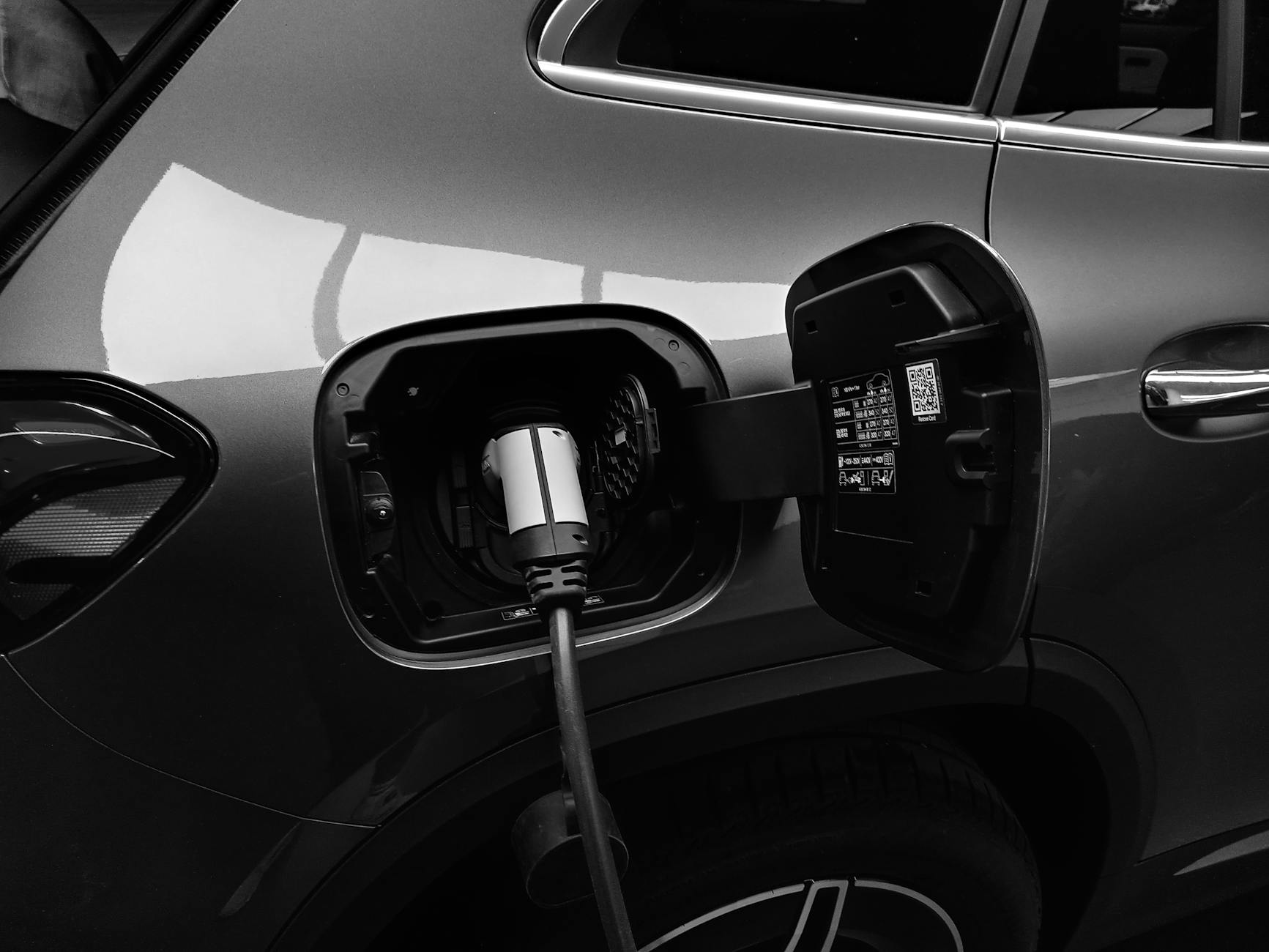
Volvo weighs India plug-in hybrids amid 40% tax hurdle
Volvo is evaluating the introduction of plug-in hybrid electric vehicles (PHEVs) in India, but the country’s high tax structure—reportedly around 40%—remains a significant barrier. According to Fortune India, the Swedish automaker is weighing its options as it navigates India’s complex automotive taxation regime. The company also plans to launch at least one electric vehicle (EV) annually in the Indian market, signalling a long-term commitment to electrification despite the challenges.
India’s tax on plug-in hybrids is steep, making them less price-competitive against conventional hybrids and battery electric vehicles. While the exact tax rate varies by vehicle size and specifications, the 40% figure cited by Fortune India highlights the cost pressure automakers face when considering PHEV launches. For Volvo, which has a global strategy of moving toward full electrification, the decision to bring PHEVs to India would be a tactical move to bridge the gap until charging infrastructure and battery costs improve. However, the tax hurdle could delay or dilute such plans.
Industry analysts say that India’s taxation policy is skewed toward small cars and electric vehicles, with hybrids often falling into a higher tax bracket. This has prompted several automakers to either delay hybrid launches or focus solely on EVs. Volvo’s annual EV launch plan, therefore, aligns with the broader trend of premium carmakers betting on pure electric models in India. The company already offers the XC40 Recharge in India, and future launches are expected to expand its electric portfolio.
“The tax structure for plug-in hybrids in India is a deterrent; it makes it hard to justify the premium over a strong hybrid or an EV,” analysts say.
Below is a snapshot of India’s passenger vehicle tax rates across fuel types, based on data from Fortune India and industry sources. The table illustrates the disparity that plug-in hybrids face compared to electric vehicles, which attract a much lower goods and services tax (GST) rate.
| Vehicle Type | Approximate Tax Rate (GST + Cess) |
|---|---|
| Small Petrol/Diesel Cars (<4m) | 28% + Cess |
| Large Petrol/Diesel Cars (>4m) | 48% |
| Strong Hybrids | 43% |
| Plug-in Hybrids | 40% (approx.) |
| Battery Electric Vehicles | 5% |
The table shows that battery electric vehicles enjoy a substantial tax advantage, with GST as low as 5%. Plug-in hybrids, on the other hand, are taxed at around 40%, which is nearly eight times higher. This gap makes it difficult for PHEVs to compete on price, especially in a price-sensitive market like India. Volvo’s consideration of PHEVs is thus a balancing act: the technology offers lower emissions than pure petrol or diesel cars and can run on electric power for short distances, but the tax burden could push prices beyond what Indian consumers are willing to pay.
Volvo’s plan to launch one EV annually in India is a clear signal that the company sees electric as the future. With the government’s push for EV adoption through lower taxes and incentives, pure electric models are more viable. However, the lack of widespread charging infrastructure, especially in smaller cities, remains a concern. Plug-in hybrids could serve as a transitional solution, but only if the tax regime becomes more favourable. Until then, Volvo may prioritise EVs over PHEVs in India.
Analysts say that the Indian government’s focus on EVs is unlikely to shift soon, given its climate goals and efforts to reduce oil imports. As a result, automakers may continue to lobby for lower taxes on hybrids, but the response has been lukewarm. For Volvo, the annual EV launch strategy is a safe bet, allowing it to build brand equity in the electric space while monitoring policy changes. If the tax hurdle for PHEVs is reduced, Volvo could revisit its plans, but for now, the road ahead for plug-in hybrids in India looks bumpy.
For more insights on the Indian automotive market and electric mobility, visit Autoverse.