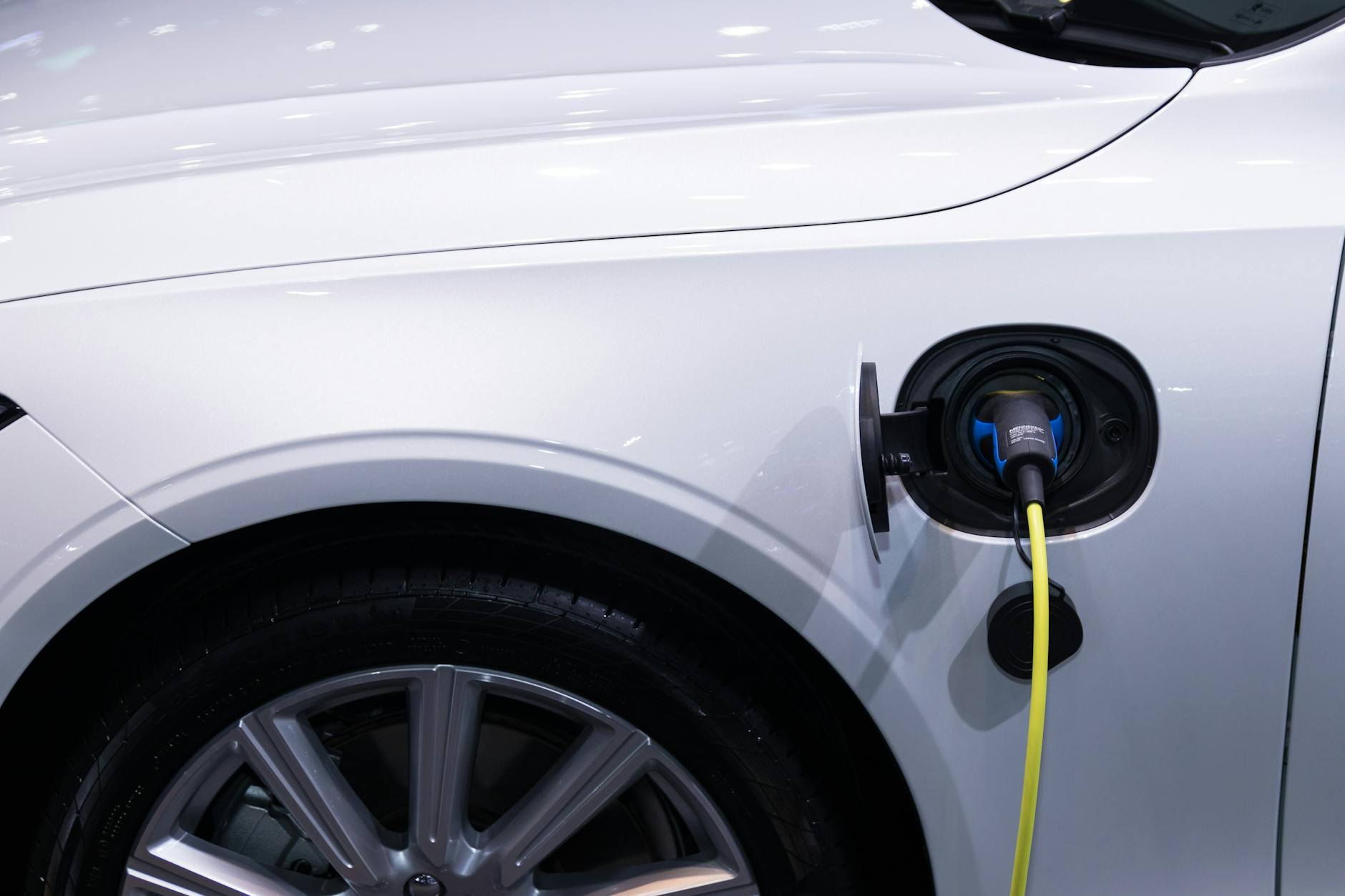
Volvo India Flags Higher Tax on Plug-In Hybrids, Plans 3 EVs by 2029
Volvo Cars India has publicly flagged that plug-in hybrid electric vehicles (PHEVs) continue to face a higher tax burden in the country, even as the company commits to launching three fully electric vehicles (EVs) over the next three years. The development, first reported by ET Auto, underscores the widening gap between India’s tax treatment of different electrified powertrains and the global push toward cleaner mobility. According to the report, Volvo Cars India believes that a more rational tax structure for plug-in hybrids would help accelerate the adoption of low-emission vehicles while the country’s charging infrastructure matures. The company’s stance comes at a time when several automakers are reevaluating their India portfolios, balancing local demand for SUVs with regulatory pressure to reduce carbon emissions. Analysts say that without a level playing field, premium buyers may continue to favour conventional petrol and diesel models over plug-in hybrids, delaying the intended environmental benefits. The three planned EVs from Volvo are expected to be introduced as completely built units (CBUs) initially, with the possibility of local assembly depending on volumes and policy support. The carmaker has not disclosed the specific models or their launch timelines, but the three-year horizon suggests a rollout between 2026 and 2029. Industry observers note that Volvo’s global ambition is to become a fully electric car company by 2030, and India is a key part of that roadmap. However, the current tax disparity—where plug-in hybrids attract higher GST than battery electric vehicles—remains a sticking point. The report indicates that Volvo Cars India is not alone in this demand; several other luxury carmakers have also sought a revision in the tax structure for plug-in hybrids. The government, however, has been cautious, prioritising battery electric vehicles for incentives under schemes like FAME and PLI. For consumers, the higher tax on plug-in hybrids translates into a higher sticker price, making them less attractive compared to their pure electric counterparts, which enjoy lower GST and other benefits. This pricing gap is particularly significant in the premium segment, where Volvo competes with the likes of BMW, Mercedes-Benz, and Audi. Analysts say that a balanced tax policy could encourage more automakers to bring plug-in hybrids to India, offering a practical bridge technology for buyers who are not yet ready to go fully electric. Volvo’s planned EVs are likely to be positioned in the premium SUV segment, where the company already has a strong presence with the XC40 Recharge and C40 Recharge. The success of these new EVs will depend heavily on local charging infrastructure, battery costs, and government support. The ET Auto report does not specify the exact tax rates, but it highlights that plug-in hybrids are currently taxed at a higher rate than battery electric vehicles. This is a common grievance among automakers who argue that plug-in hybrids offer substantial electric-only range and should be treated on par with EVs for tax purposes. Volvo Cars India’s push for a tax rethink also aligns with its broader sustainability goals. The company has been vocal about its commitment to electrification, and India is seen as a strategic market for testing new technologies. However, without supportive fiscal policies, the transition could be slower than anticipated. In the meantime, Volvo is expected to continue expanding its electric lineup, with the three new EVs likely to be introduced in a phased manner. The company may also explore local assembly to reduce costs and bypass high import duties. For now, the ball is in the government’s court, and the industry will be watching closely for any policy signals in the upcoming budget or GST Council meetings. As India aims to meet its climate targets, the debate over plug-in hybrid taxation will be central to shaping the future of mobility.
| Category | Details from Source |
|---|---|
| Planned EVs | 3 EVs in next 3 years |
| Tax issue | Higher tax for plug-in hybrids |
| Source | ET Auto |
Volvo Cars India flags higher tax for plug-in hybrids and plans 3 EVs in the next three years, according to ET Auto.
For more automotive news and analysis, visit Autoverse.cc.