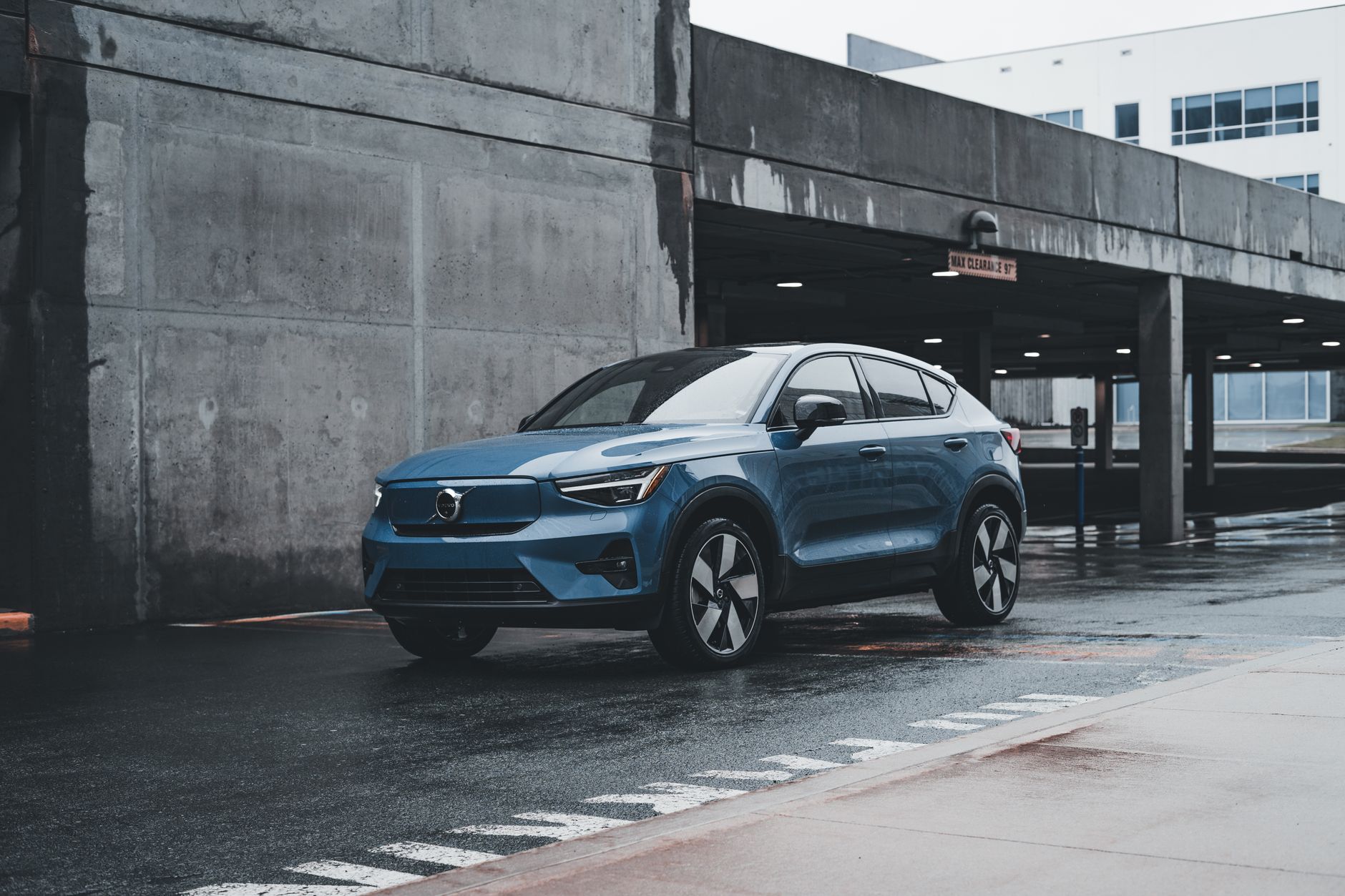
Volvo India Confirms Two New Flagship EVs for 2026 Debut
Volvo India has officially confirmed the launch of two new flagship electric vehicles (EVs) slated for a 2026 debut, marking a significant step in the brand's electrification journey in the Indian market. According to a report by Autocar India, the Swedish automaker is poised to introduce these premium EVs as part of its global commitment to becoming a fully electric car company by 2030. The announcement comes at a time when India's EV ecosystem is rapidly evolving, with growing consumer demand for luxury electric vehicles and expanding charging infrastructure. Volvo's move underscores its confidence in the Indian market and its strategy to cater to discerning buyers seeking sustainable mobility without compromising on luxury or safety.
The two flagship models are expected to be the Volvo EX90 and another high-end electric SUV, potentially the Polestar 3, which shares Volvo's scalable platform architecture. The EX90, unveiled globally in 2022, is a seven-seater SUV that embodies Volvo's vision for a safer, more sustainable future. It features a range of up to 600 kilometers (WLTP), advanced LiDAR sensors for autonomous driving capabilities, and a minimalist interior crafted from recycled and renewable materials. In India, the EX90 will likely compete with luxury electric SUVs like the Mercedes-Benz EQS SUV, BMW iX, and Audi Q8 e-tron. Volvo India has not disclosed exact pricing, but industry estimates suggest it could be priced between ₹1.5 crore and ₹2 crore (ex-showroom). The second flagship EV is rumored to be a sedan or a coupe-SUV, possibly based on the Volvo Concept Recharge, which showcases the brand's future design language with a flat floor, hidden headlights, and a panoramic glass roof.
“India is a key market for Volvo’s electric future, and these two flagship EVs will redefine luxury and safety standards in the country. We are committed to offering a premium electric experience that aligns with our vision of a climate-neutral future by 2040.” — Jyoti Malhotra, Managing Director, Volvo Car India.
To provide a clearer picture of Volvo's EV lineup and its positioning in India, here is a comparative table highlighting key specifications and expected features of the upcoming models versus current rivals:
| Model | Expected Price (₹) | Range (WLTP) | Seating Capacity | Key Features |
|---|---|---|---|---|
| Volvo EX90 | ₹1.5-2 crore | Up to 600 km | 7 | LiDAR, bidirectional charging, 15.6-inch display |
| Polestar 3 (if launched) | ₹1.2-1.8 crore | Up to 610 km | 5 | Dual motor, 510 hp, Android Automotive OS |
| Mercedes-Benz EQS SUV | ₹2.5-3 crore | Up to 670 km | 7 | Hyperscreen, air suspension, 108 kWh battery |
| BMW iX | ₹1.5-2 crore | Up to 630 km | 5 | Curved display, 5G connectivity, xDrive |
| Audi Q8 e-tron | ₹1.2-1.8 crore | Up to 580 km | 5 | Matrix LED, virtual mirrors, 95 kWh battery |
The arrival of these Volvo EVs is expected to intensify competition in the luxury EV segment in India, which is currently dominated by German manufacturers. Volvo's strength lies in its unparalleled safety record and its commitment to sustainability, with a target to reduce lifecycle emissions per car by 40% by 2025. The Indian government's push for EV adoption through FAME II subsidies and state-level incentives further bolsters the case for luxury EVs. However, challenges remain, including high import duties (up to 100% on CBUs) and limited charging infrastructure outside metro cities. Volvo India is likely to assemble these flagship EVs locally to keep costs competitive, following the success of the XC40 Recharge, which is assembled in Bengaluru. With bookings expected to open in late 2025, Volvo enthusiasts and luxury car buyers in India have much to look forward to as the brand accelerates its electric offensive.
Ready to explore the future of luxury electric mobility? Stay updated with the latest news, reviews, and insights on Volvo and other premium EVs at Autoverse. Visit Autoverse today for in-depth analysis and exclusive updates.