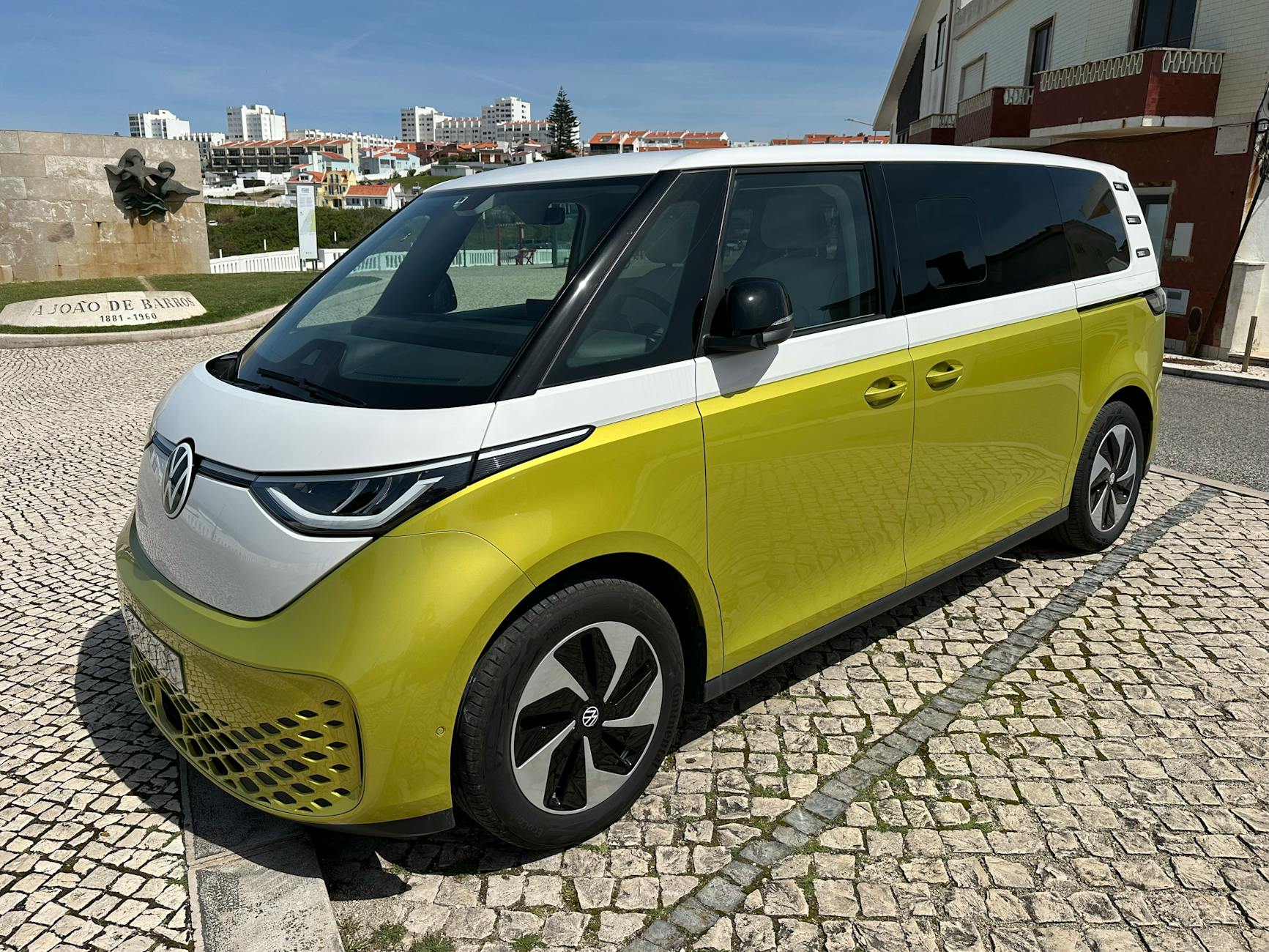
Volkswagen Group Could Launch Two Made-in-India EVs by 2028 - CarLelo
Volkswagen Group is reportedly evaluating plans to launch two made-in-India electric vehicles by 2028, according to a report by CarLelo. The move, if confirmed, would mark a significant expansion of the German automaker's electric mobility strategy in one of the world's fastest-growing automotive markets. India has emerged as a key battleground for EV manufacturers, with the government pushing for greater localisation and domestic manufacturing under its broader industrial and environmental roadmap. Analysts say that local production would allow Volkswagen Group to price its electric offerings more competitively, while also insulating the company from import duty fluctuations and global supply chain disruptions.
The CarLelo report suggests that the two proposed models would be positioned in different segments, potentially covering both the mass-market and premium ends of India's evolving EV spectrum. While exact specifications, pricing, and battery details remain under wraps, the broader signal is clear: India is no longer a peripheral market for global EV ambitions. It is becoming a core part of long-term product planning. Analysts say that Volkswagen Group's existing India operations, including its manufacturing footprint and supplier ecosystem, could be leveraged to bring these EVs to market faster than a greenfield entry would allow. The 2028 timeline, if adhered to, would place the launches roughly in line with India's anticipated ramp-up in charging infrastructure and battery localisation.
| Parameter | Detail from Source |
|---|---|
| Number of potential EVs | Two |
| Expected launch timeline | By 2028 |
| Manufacturing location | Made-in-India |
| Source of report | CarLelo |
For Indian consumers, the prospect of Volkswagen Group EVs built locally carries multiple implications. First, pricing could become more accessible if localisation targets are met, since duties and logistics costs would reduce. Second, the entry of a major global brand into local EV manufacturing could pressure existing players to accelerate their own timelines and improve after-sales support. Third, it could strengthen India's position as an export hub for electric vehicles, particularly if Volkswagen Group decides to use its Indian facilities to serve other right-hand-drive markets. Analysts say that the success of such a plan would depend heavily on battery supply chains, charging infrastructure, and government policy stability over the next few years.
Analysts say that global automakers are increasingly viewing India not just as a sales market but as a strategic manufacturing and export base for electric vehicles.
It is important to note that the CarLelo report does not include confirmed model names, battery capacities, range figures, or price brackets. Until Volkswagen Group issues an official statement, these remain speculative. However, the direction of travel is consistent with wider industry trends. Several global automakers have either announced or are exploring local EV production in India, driven by favourable policy incentives, rising consumer interest, and the need to diversify supply chains beyond traditional hubs. The 2028 deadline also aligns with India's broader target of increasing the share of electric vehicles in total sales, although achieving that goal will require coordinated efforts across manufacturing, infrastructure, and financing.
For prospective buyers, the key takeaway is that more choice may arrive in the coming years, potentially at more competitive price points. For the industry, the reported plan reinforces that India's EV transition is entering a new phase, one where local manufacturing and global brand participation go hand in hand. As with any early-stage report, readers should treat the specifics with caution until official confirmation emerges. Analysts say that the next 12 to 18 months will be crucial in determining whether such plans move from feasibility studies to concrete commitments.
For more updates on India's evolving electric vehicle landscape, including launch timelines, policy changes, and product deep dives, visit Autoverse.cc.