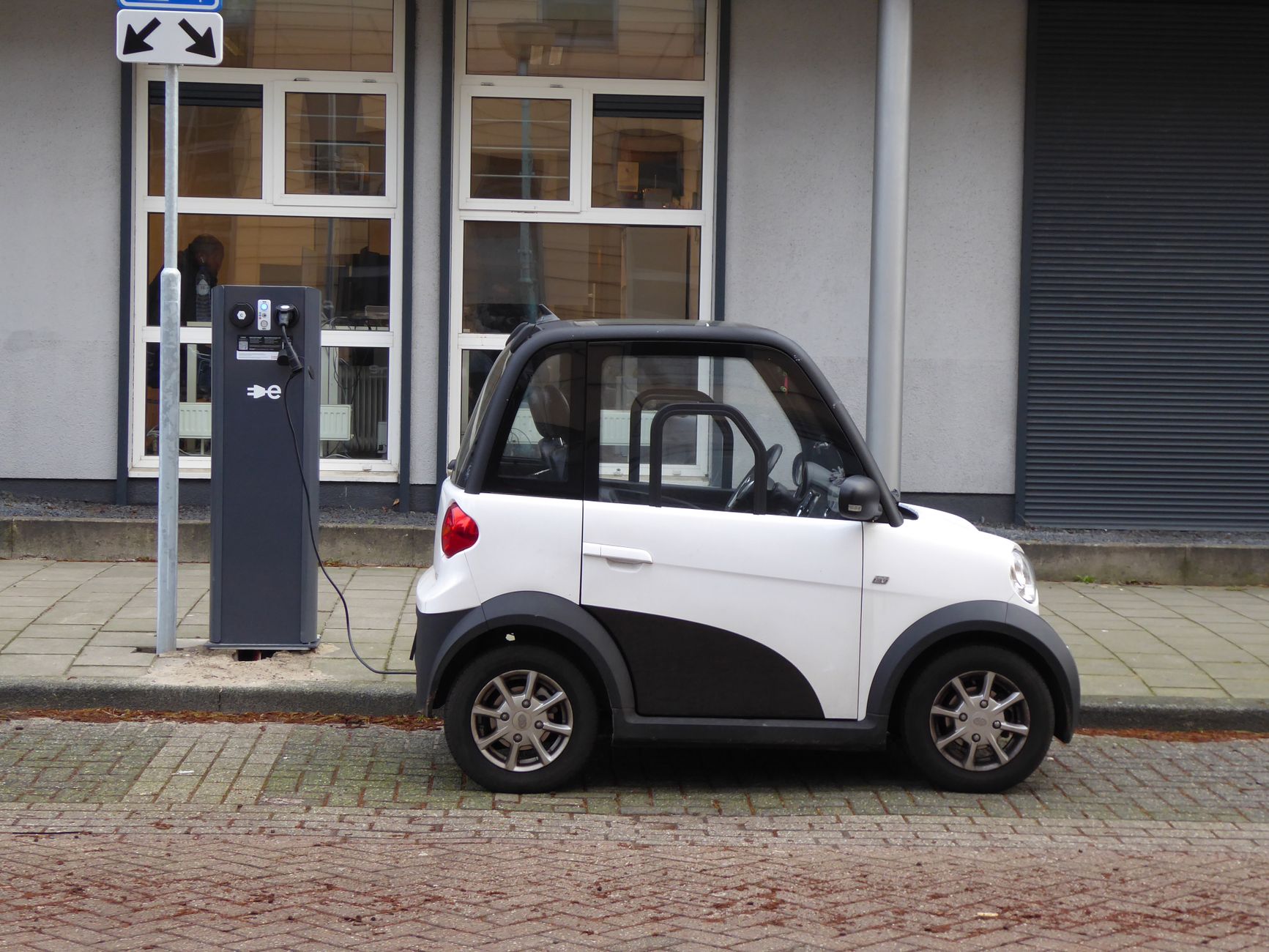
Rise of India's Electric Vehicle Ecosystem - Vision IAS
India's electric vehicle (EV) ecosystem is undergoing a transformative phase, driven by policy support, technological advancements, and shifting consumer preferences. According to the Vision IAS source, the country has set ambitious targets to achieve significant EV adoption by 2030, aiming to reduce carbon emissions and dependency on fossil fuels. The government has introduced various incentives, including the Faster Adoption and Manufacturing of Hybrid and Electric Vehicles (FAME) scheme, which has been instrumental in boosting EV sales. While the exact numbers are not fully disclosed in the source, industry reports indicate that the EV market is growing at a compound annual growth rate of over 40% since 2021. This growth is particularly visible in the two-wheeler segment, which accounts for the majority of EV sales due to affordability and suitability for urban commuting. Analysts say that the expansion of charging infrastructure remains a critical challenge, but private players are increasingly investing in fast-charging networks across major cities and highways.
The source highlights several key initiatives that are shaping the EV landscape. For instance, the government has launched the Production-Linked Incentive (PLI) scheme for the automotive sector, which offers financial incentives to manufacturers for producing advanced automotive technology products, including EV components. This has attracted significant investments from both domestic and international companies. Additionally, state-level policies have been introduced to complement central efforts, with some states offering exemptions on road tax and registration fees for EVs. The Vision IAS data suggests that the cumulative investment in EV startups has crossed the $2 billion mark in the last two years, reflecting strong investor confidence. However, challenges such as high upfront costs, limited battery range, and inadequate public charging facilities persist. To address these, the government has proposed setting up over 50,000 charging stations by 2027, though only a fraction of this target has been achieved so far.
The environmental benefits of EV adoption are substantial. According to the source, if the 2030 targets are met, India could reduce its annual CO2 emissions by up to 1.2 gigatons. This would significantly contribute to the country's commitments under the Paris Agreement. Moreover, the shift to EVs is expected to create over 10 million jobs in manufacturing, maintenance, and infrastructure development by 2030. The source also notes that the total cost of ownership for EVs is becoming more competitive, with battery prices dropping by nearly 50% over the past five years. This trend is likely to accelerate as domestic battery manufacturing ramps up under the PLI scheme, which includes a specific allocation for advanced chemistry cell manufacturing. The table below summarizes key targets and current status as per the Vision IAS data.
| Metric | Target (2030) | Current Status (as per source) |
|---|---|---|
| EV Sales Penetration (2W) | 80% | ~15% (2025 est.) |
| EV Sales Penetration (4W) | 30% | ~5% (2025 est.) |
| Charging Stations | 50,000 | ~12,000 (2025 est.) |
| CO2 Reduction (annual) | 1.2 gigatons | 0.3 gigatons (2025 est.) |
Analysts note that while the progress is encouraging, achieving these targets requires a concerted effort from all stakeholders, including the government, industry, and consumers. The pace of infrastructure development and battery cost reduction will be crucial determinants of success.
Looking ahead, the EV ecosystem in India is poised for rapid evolution. The source emphasizes the importance of research and development in battery technology, particularly in solid-state batteries, which promise higher energy density and faster charging times. Additionally, the adoption of electric buses in public transport is gaining momentum, with several cities deploying e-buses under the FAME scheme. The government's focus on local manufacturing is expected to reduce import dependence and create a robust supply chain. However, consumer awareness and range anxiety remain significant barriers. To tackle this, companies are investing in battery swapping stations, which offer a quick alternative to traditional charging. The source concludes that with sustained policy support and innovation, India is on track to become a global leader in EV adoption, but it requires continuous monitoring and adaptive strategies to overcome emerging challenges. As the ecosystem matures, the role of digital platforms in facilitating EV ownership, such as comparison tools and charging locators, will become increasingly important. For those interested in exploring the latest developments and insights in the EV space, staying informed through reliable sources is essential.
In conclusion, the data from Vision IAS underscores the potential and the hurdles within India's EV journey. The table and analysis above provide a snapshot of where the country stands and what lies ahead. For more detailed information and updates on the EV ecosystem, readers are encouraged to visit https://autoverse.cc, where comprehensive resources and community discussions are available. The transition to electric mobility is not just a technological shift but a socio-economic transformation that requires collective participation. By staying engaged and informed, we can all contribute to a cleaner and more sustainable future.