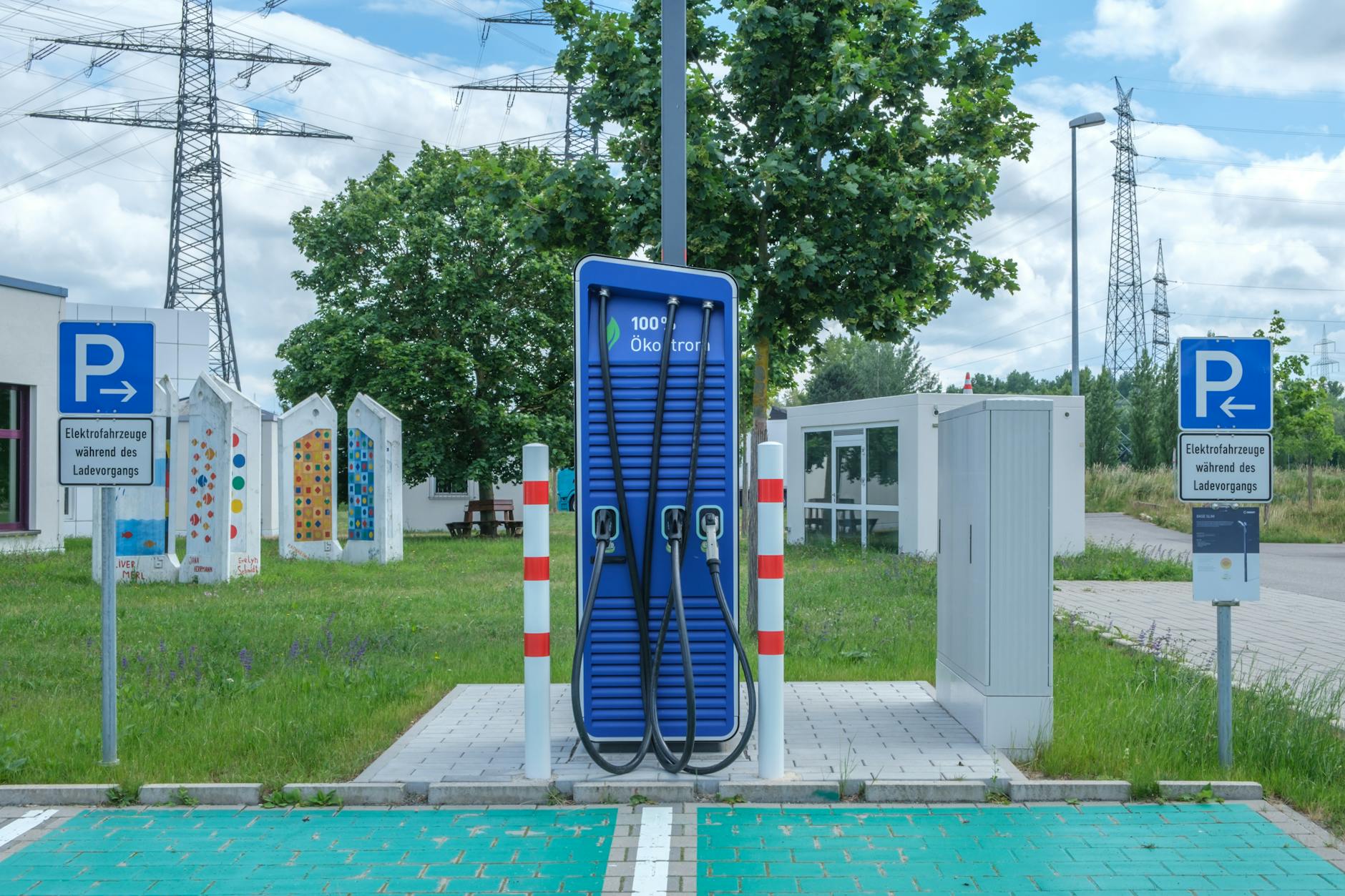
OEM Charging Ecosystems in India: Hyundai, Tata, MG, Mahindra & Kia Battle for EV Supremacy
The Rise of OEM Charging Networks in India
Charging anxiety remains the top barrier for EV adoption in India. To counter this, major automakers are investing heavily in proprietary charging networks. Unlike third-party aggregators, OEM networks offer brand-specific benefits like faster charging speeds, integrated payment systems, and seamless navigation via in-car infotainment.
Hyundai's E-Pit Network
Hyundai has been aggressive with its E-Pit ultra-fast charging stations across Mumbai, Delhi, Bengaluru, Chennai, Pune, Hyderabad and Ahmedabad. With 350 kW chargers capable of adding 100 km range in just 5 minutes, Hyundai is targeting highway corridors. The company plans to install 500 E-Pit units by Diwali 2027.
Tata Power's Open Network
Tata Motors leverages Tata Power's extensive grid, offering over 2,500 public charging points across India. Their network is open to all EVs, but Tata owners get priority access and discounted rates. With a focus on tier-2 cities like Lucknow, Jaipur, and Coimbatore, Tata is democratising charging access.
MG's Superfast Network
MG Motor India has partnered with companies like Reliance and TCS to build a network of 60 kW DC fast chargers. Their ZS EV and Comet owners benefit from free charging for the first year. MG's network is concentrated in South India, especially Bengaluru and Hyderabad, with plans to expand to 100 stations by Q1 FY27.
Mahindra's Born Electric Ecosystem
Mahindra's Born Electric vision includes a network of 400 kW chargers for its upcoming XUV.e range. Partnering with Bajaj Energy, Mahindra aims to install 1,000 chargers by 2026. The company is also integrating with Indian payment gateways like HDFC Bank and ICICI Bank for seamless transactions.
Kia's India Strategy
Kia has launched its Kia Charge network, offering 150 kW chargers at select dealerships in metro cities. While smaller than competitors, Kia's focus on luxury experience includes valet charging and battery swapping pilots.
Comparative Analysis: Pricing and Coverage
To help you decide, here's a table comparing key metrics:
| OEM | Network Name | Charger Power | Avg. Cost per kWh | Number of Stations (June 2026) | Target by 2027 |
|---|---|---|---|---|---|
| Hyundai | E-Pit | 350 kW | ₹12.50 | 300 | 500 |
| Tata | Tata Power | 60 kW | ₹8.00 | 2,500 | 4,000 |
| MG | Superfast | 60 kW | ₹10.00 | 80 | 200 |
| Mahindra | Born Electric | 400 kW | ₹11.00 | 150 | 1,000 |
| Kia | Kia Charge | 150 kW | ₹14.00 | 50 | 150 |
Data source: Autopunditz, June 2026. Prices are ex-showroom and subject to GST.
"The OEM charging ecosystem in India is evolving from a competitive differentiator to a necessity. Automakers who control the charging experience will dominate the next phase of EV adoption." — Autopunditz Market Insight Report, July 2026
What This Means for Indian Buyers
For Indian consumers, the choice of EV now includes evaluating the charging ecosystem. If you drive long distances, Hyundai's ultra-fast network is unmatched. For city dwellers, Tata's widespread slow chargers are more practical. MG and Mahindra offer a balanced approach, while Kia targets premium buyers.
Financial and Policy Context
The Indian government's FAME III scheme, expected in FY27, will likely boost OEM charging investments. SEBI has also mandated EV charging disclosures for listed auto companies, increasing transparency. With GST at 5% on chargers and 18% on batteries, the cost structure is improving.
Festive Season Opportunities
Diwali 2026 saw record EV sales, driven by OEM charging offers. Many brands offered free charging for a year during the festive period. This trend is expected to continue in 2027.
Conclusion
The EV battleground in India is no longer just about range or price—it's about the ecosystem. Hyundai, Tata, MG, Mahindra and Kia are all building unique charging networks that cater to different needs. As a buyer, understanding these differences will help you make an informed decision.
Ready to explore the best EV for your lifestyle? Visit AutoVerse for the latest reviews, comparisons and dealer offers. Your next ride awaits!