New Delhi Air Pollution Index Pushes EV Adoption in India
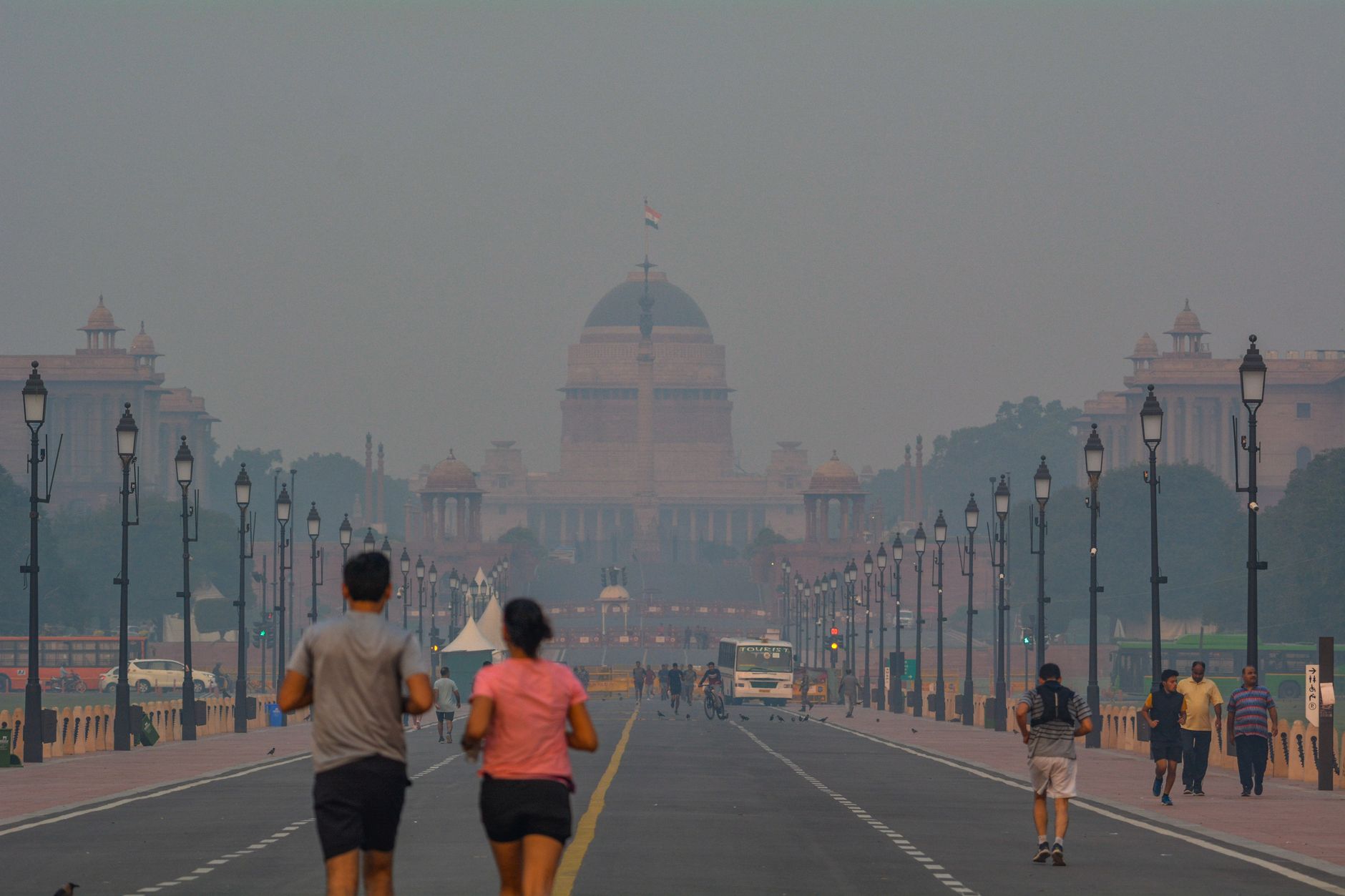
New Delhi, July 2026: The air quality index in New Delhi has once again plummeted to hazardous levels, with PM2.5 concentrations exceeding 400 µg/m³ on multiple days this month. This alarming trend is accelerating the push for electric vehicle (EV) adoption across India, as policymakers and citizens seek urgent solutions to combat the public health crisis. The national capital's toxic smog, caused primarily by vehicular emissions, industrial pollution, and seasonal crop burning, underscores the pressing need for cleaner transportation alternatives.
According to recent data from the Central Pollution Control Board, transport sector contributes nearly 40% of Delhi's particulate matter pollution. In response, the Indian government has introduced stricter emission norms and enhanced subsidies for EVs under the Faster Adoption and Manufacturing of Hybrid and Electric Vehicles (FAME) scheme. The latest FAME III policy, rolled out in April 2026, offers up to ₹1.5 lakh for electric cars and ₹50,000 for two-wheelers, making EVs more affordable for the masses. Additionally, Delhi's state government has announced a complete ban on new petrol and diesel vehicle registrations from 2027, further incentivizing the switch to electric mobility.
The shift is already visible on Delhi's roads. In the first half of 2026, EV registrations in the city surged by 68% compared to the same period last year, with over 45,000 units sold. Electric two-wheelers dominate the market, accounting for 72% of all EV sales, followed by electric rickshaws and cars. To support this growth, the Delhi government has installed 2,500 public charging stations across the city, with plans to add 5,000 more by year-end. However, challenges remain, including high upfront costs, limited charging infrastructure in residential areas, and consumer range anxiety.
“The air pollution crisis in Delhi is a wake-up call for India. Embracing electric vehicles isn't just an environmental choice—it's a matter of public health and economic resilience,” said Dr. Rajesh Kumar, an environmental policy expert at the Indian Institute of Technology Delhi.
Industry experts believe that India's EV adoption journey is gaining momentum, but requires sustained government support and private investment. The table below illustrates the comparative benefits of EVs over conventional vehicles in terms of emissions and running costs:
| Vehicle Type | CO2 Emissions (g/km) | Running Cost per km (₹) | Annual Maintenance Cost (₹) |
|---|---|---|---|
| Petrol Car | 130 | 8.5 | 12,000 |
| Diesel Car | 115 | 7.2 | 15,000 |
| Electric Car | 0 (tailpipe) | 1.5 | 5,000 |
| Electric Two-Wheeler | 0 (tailpipe) | 0.5 | 2,000 |
As the data shows, electric vehicles not only eliminate tailpipe emissions but also significantly reduce running and maintenance costs. For Delhi residents, switching to an EV can save over ₹1 lakh annually in fuel and maintenance alone, while contributing to cleaner air. The government is also exploring battery swapping stations for two-wheelers and rickshaws to address charging time concerns. With the right policies and public awareness, India can transform its transportation landscape and breathe easier.
Ready to make the switch to electric? Explore the latest EV models, compare prices, and find charging stations near you at Autoverse. Join the movement for cleaner air today!