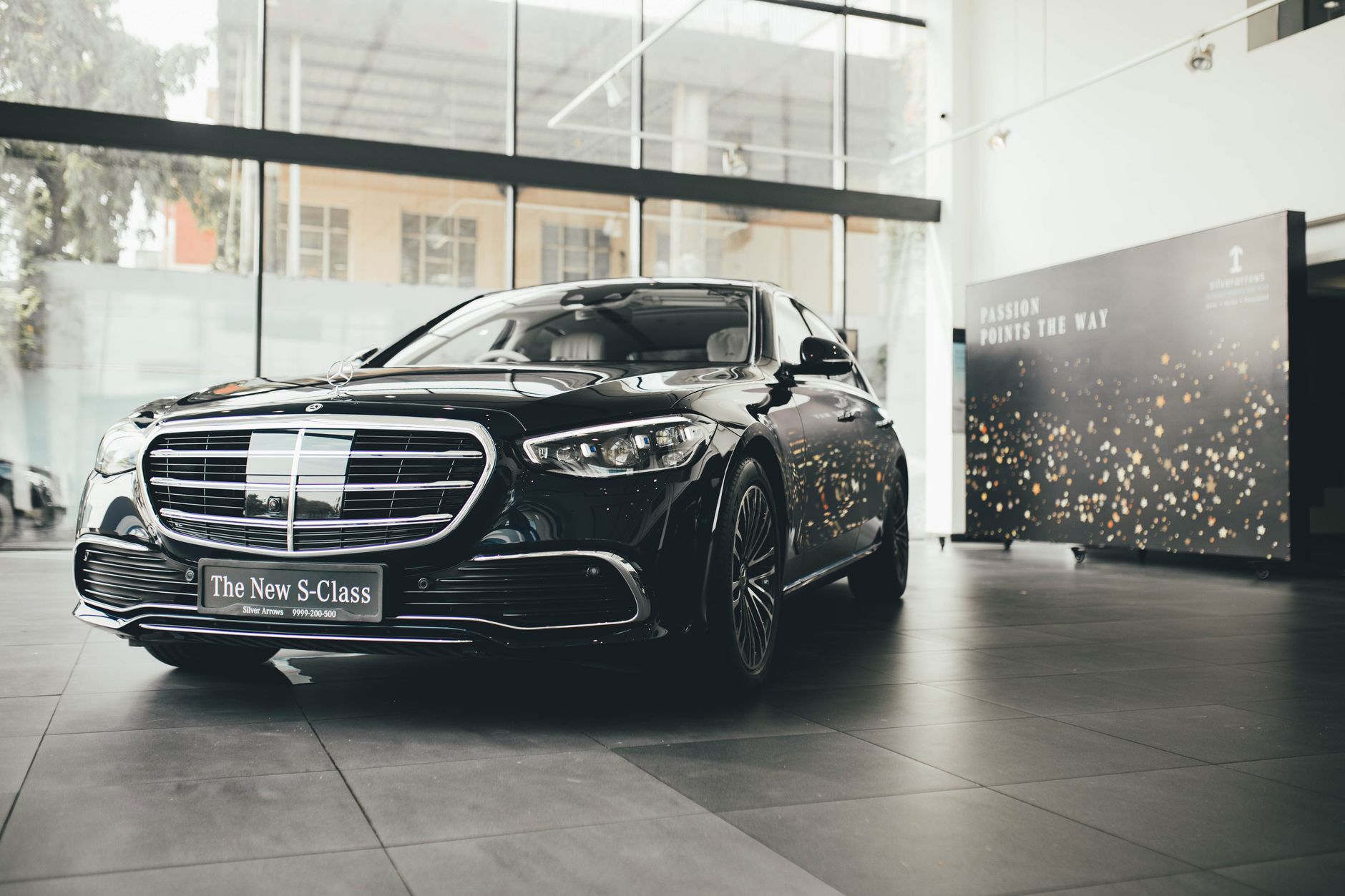
Mercedes-Benz India sales: supply, not demand, caps growth
Mercedes-Benz India's growth story has a familiar bottleneck, and it is not showroom footfall. Analysts say the luxury carmaker could have retailed more vehicles in the country if supply and allocation had kept pace with demand, particularly for high-end models that command long waiting periods. In a market where premium buyers are ready to pay a significant premium for immediate delivery, the constraint sits upstream of the dealership rather than inside it. The broader luxury segment in India has been expanding, but the pace at which individual brands can convert interest into deliveries depends heavily on how many units are earmarked for the market and how quickly those units clear import and homologation cycles.
The pattern is not unique to one model line. Across the portfolio, demand for top-end variants has consistently run ahead of what the India allocation can support, and analysts say this is a structural feature of how global manufacturers prioritise markets. India remains a relatively small volume market in absolute terms for most German luxury brands, which means allocation decisions are made against competing claims from larger markets. When a model is in global short supply, India's share is decided at the headquarters level, not by the local sales team. That is the crux of the argument that Mercedes-Benz could have sold more cars in India if only the supply pipeline had been deeper and more predictable.
Analysts say the constraint is allocation and lead time rather than consumer appetite, and that a deeper, more predictable supply pipeline would have translated directly into higher retail volumes in India.
Waiting periods have a commercial cost beyond lost sales. They push some buyers towards competing brands that can deliver sooner, and they weaken the pricing power of the dealer network because customers begin to negotiate on delivery timelines rather than on the product itself. For a brand built on the promise of a seamless ownership experience, an extended wait is an awkward contradiction. Analysts say the answer lies in better forecasting, a more flexible allocation mechanism for fast-moving variants, and a sharper read on which trims Indian buyers actually want, so that the mix shipped to India matches the mix demanded here.
| Factor | Impact on Mercedes-Benz India volumes |
|---|---|
| Global allocation priority | India's share decided at headquarters level |
| Lead time from order to delivery | Longer waits push buyers to rival brands |
| Variant mix mismatch | Demanded trims in short supply locally |
| Import and homologation cycles | Slower conversion of interest into deliveries |
The takeaway for buyers and for the industry is that India's luxury car market is no longer demand-constrained in the way it once was. Analysts say the appetite exists, and the willingness to pay for immediate availability exists alongside it. What limits the final number is the speed at which vehicles can be landed, homologated and handed over. If Mercedes-Benz can tighten that chain, the upside is already sitting in the order book rather than needing to be created through new demand.
For a deeper look at how luxury carmakers manage allocation, waiting periods and variant mix in India, and what it means for buyers planning a purchase in October 2026 and beyond, visit Autoverse for continuing coverage, analysis and buying guidance.