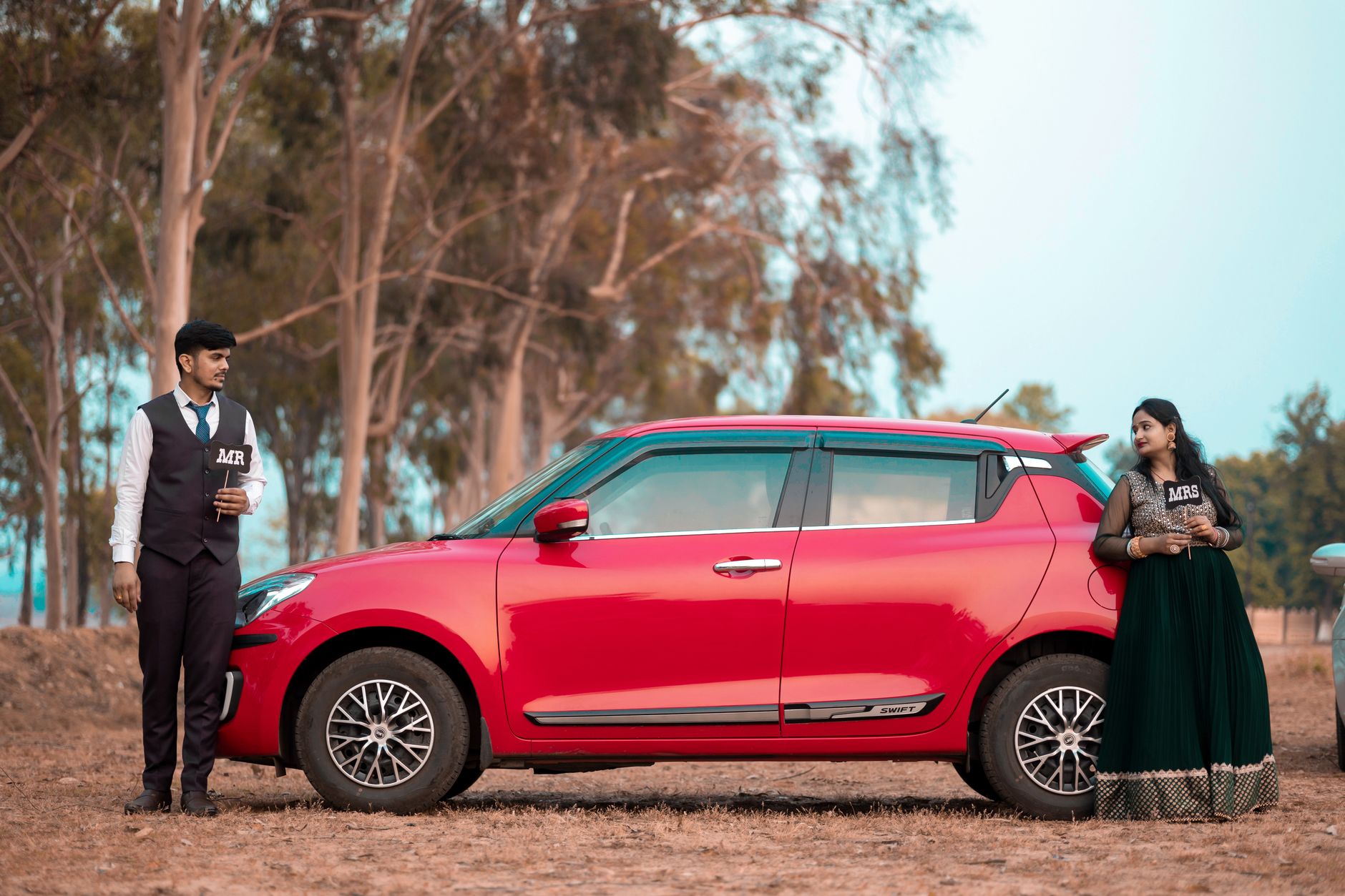
Maruti Suzuki's Third Price Hike Since May: India Impact
In a move that underscores persistent cost pressures in India's automotive sector, Maruti Suzuki has increased vehicle prices for the third time since May. The latest hike, confirmed by the company, comes as the country's largest carmaker grapples with rising input costs and unfavourable currency movements. The development is significant for Indian consumers, as Maruti Suzuki commands a substantial share of the passenger vehicle market. Analysts say that successive price increases could dampen demand in the short term, particularly in the price-sensitive hatchback segment. The company has not disclosed the exact quantum of the latest hike, but the cumulative effect of three rounds of increases since May is expected to be felt across its popular models, including the Alto, Swift, and Baleno. Dealers across India have already begun communicating the revised prices to customers, with the changes effective immediately. This latest revision follows two earlier hikes in May and July, highlighting the sustained pressure on margins. According to industry observers, the auto major has been trying to offset the impact of higher commodity prices, especially for steel, aluminium, and precious metals used in catalytic converters. The rupee's depreciation against the dollar has also made imported components more expensive, adding to the burden. For Indian buyers, the repeated hikes mean that owning a Maruti Suzuki car is becoming costlier, potentially influencing purchase decisions during the festive season. The company, however, remains optimistic about demand, citing strong rural sentiment and new product launches. Analysts say that while the price hikes are necessary to protect profitability, they could also lead to a shift in market share if competitors choose not to follow suit. The table below summarises the timeline of price hikes since May, based on publicly available information.
| Month | Price Hike | Reason Cited |
|---|---|---|
| May | First hike | Input cost pressure |
| July | Second hike | Commodity prices, forex |
| September | Third hike | Continued cost inflation |
"The third price hike since May reflects the ongoing challenges faced by automakers in India, and it remains to be seen how consumers respond during the festive period," analysts say.
The repeated price increases by Maruti Suzuki come at a time when the Indian auto industry is witnessing a mixed recovery. While overall passenger vehicle sales have shown resilience, the entry-level segment has been relatively sluggish. The company's decision to hike prices thrice in a span of four months is unusual and points to the severity of cost inflation. It also raises questions about the sustainability of demand if prices continue to rise. For consumers, the immediate impact is higher monthly EMIs and increased upfront costs. Many potential buyers may defer purchases or explore alternatives from competitors like Hyundai, Tata Motors, and Mahindra. However, Maruti Suzuki's strong brand loyalty and extensive service network could cushion the blow. The company has been investing in new technologies, including hybrid and electric vehicles, which may justify higher price points in the future. But in the short term, the hikes are likely to be a talking point among Indian car buyers. Analysts say that the auto major's ability to pass on costs without significant volume loss will be a key monitorable. The festive season, which typically sees high demand, will be a crucial test. If sales remain robust despite the hikes, it would signal strong underlying demand. Conversely, a slowdown could force the company to offer discounts, negating the benefit of price increases. The government's policies on GST and local manufacturing also play a role in shaping costs. Any further depreciation of the rupee or rise in global commodity prices could trigger another hike. For now, Maruti Suzuki seems to be walking a tightrope between protecting margins and retaining customers. The coming months will reveal the full impact of these decisions on India's automotive landscape.
For more insights on the Indian auto market and the latest updates on Maruti Suzuki, visit AutoVerse. Stay informed about price trends, new launches, and industry analysis. Don't miss out on our comprehensive coverage.