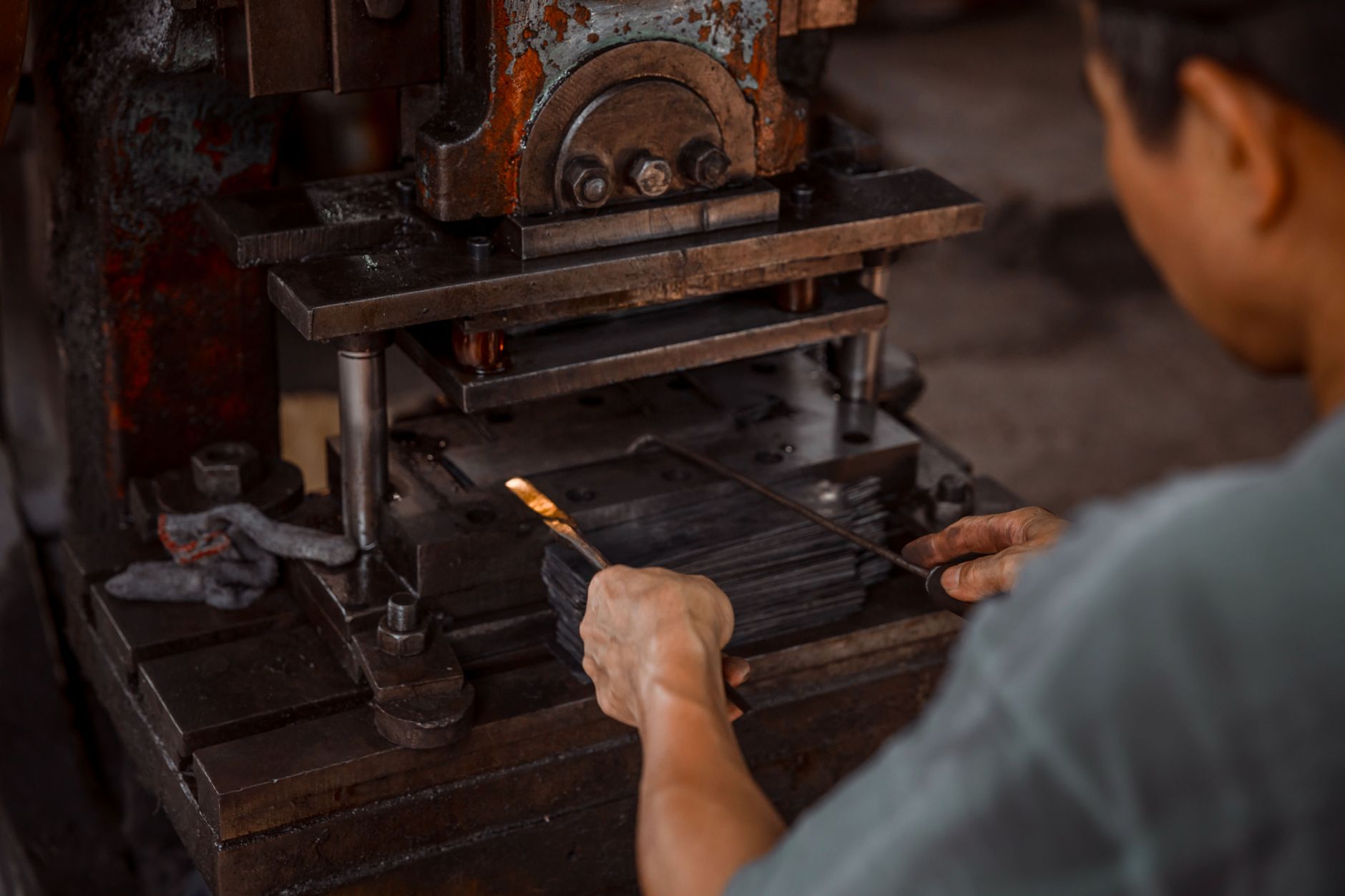
Manufacturing Momentum: Self-Reliant India
India's manufacturing sector has become a central pillar of the country's push towards self-reliance, with policy attention steadily shifting from import dependence to domestic capability building. The emphasis on manufacturing momentum reflects a broader national ambition: to strengthen supply chains, create jobs and reduce vulnerability to external shocks. For industry watchers, the direction of travel is clear even as the pace of change remains a subject of debate.
The self-reliance agenda has drawn attention from analysts across sectors, who note that manufacturing growth is no longer viewed in isolation but as part of an interconnected ecosystem spanning infrastructure, logistics, skills and technology adoption. As analysts say, the real test of momentum lies not merely in headline output but in the depth of domestic value addition and the resilience of small and medium enterprises that form the backbone of industrial supply chains.
Manufacturing momentum is measured not only by what India produces, but by how much of the value chain it owns — from design and components to final assembly and after-sales service.
Several structural themes recur in discussions around India's industrial trajectory. First, the push for domestic manufacturing capacity across strategic sectors has encouraged firms to localise production and invest in backward integration. Second, digitalisation and automation are reshaping factory floors, with smaller units increasingly exploring affordable technology to stay competitive. Third, skilling initiatives are being positioned as a bridge between labour availability and industry requirements, though gaps persist in specialised trades.
| Focus Area | Direction of Momentum |
|---|---|
| Domestic value addition | Increasing emphasis across supply chains |
| MSME participation | Recognised as critical to industrial depth |
| Digitalisation | Growing adoption, including smaller units |
| Skilling | Priority area with persistent specialised gaps |
Industry observers also point to the importance of consistency in policy signals. Predictability in regulation, access to affordable credit and reliable infrastructure are frequently cited as enablers that determine whether momentum translates into sustained capacity expansion. As analysts say, manufacturing ecosystems take time to mature, and the gains from self-reliance depend on how effectively the links between large firms and smaller suppliers are strengthened.
For consumers and businesses alike, the implications extend beyond industrial statistics. A more self-reliant manufacturing base can influence product availability, pricing stability and the pace of innovation in domestic markets. It can also shape export competitiveness, as firms that build scale at home are often better placed to compete globally. The coming months will be watched closely for signs that the momentum is broadening across sectors and regions rather than concentrating in pockets of strength.
Staying informed about these shifts matters for anyone tracking India's industrial story. From policy developments to on-ground manufacturing trends, reliable coverage helps readers separate durable momentum from short-term noise. Explore deeper insights, sector updates and analysis on India's manufacturing and mobility landscape at AutoVerse.