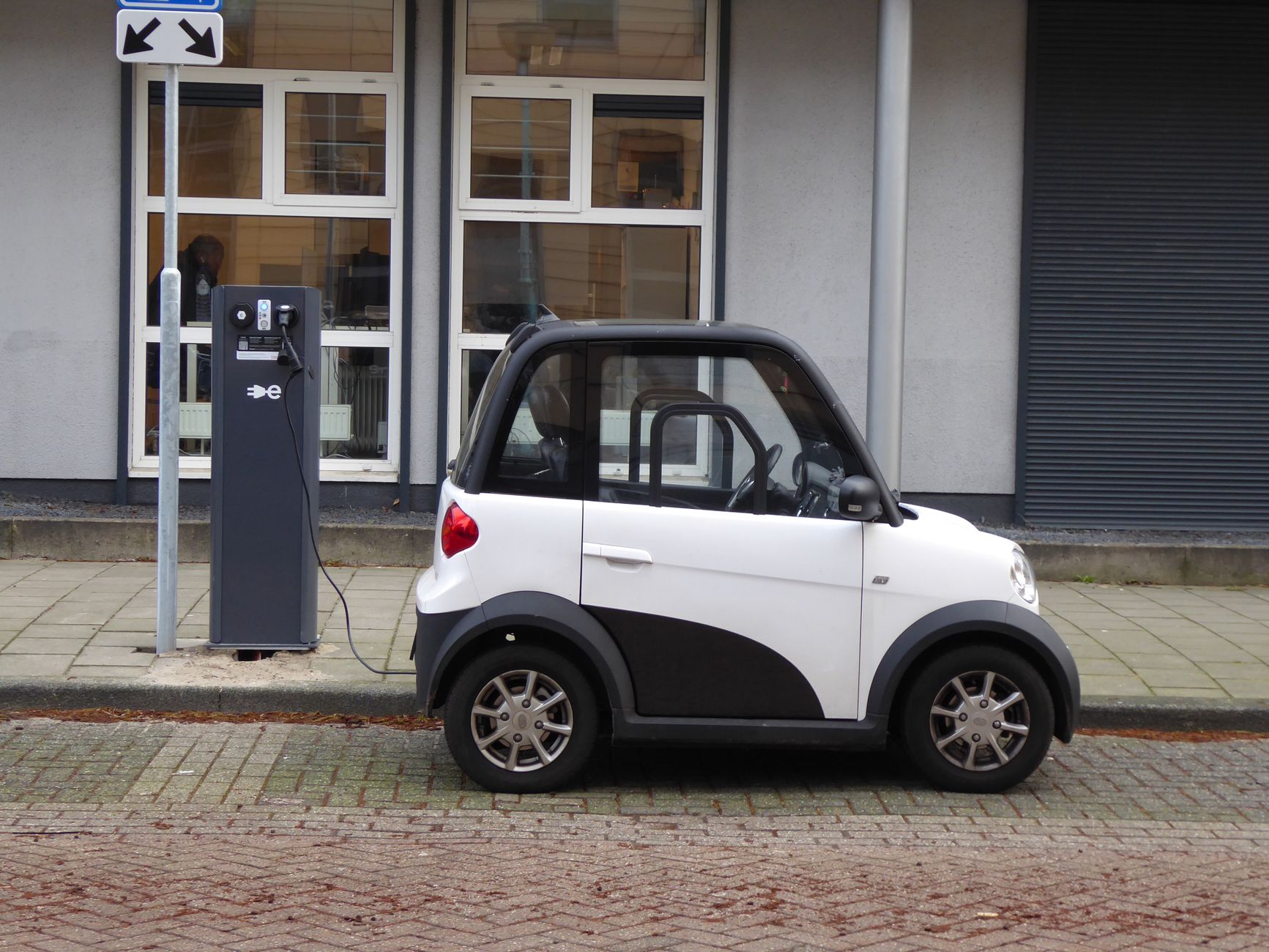
Keralam EV Drive Accelerates, India Charging Gaps Remain
Keralam’s electric vehicle (EV) adoption is accelerating, but the state’s charging infrastructure is struggling to keep pace, according to a report by DhanamOnline. The gap between EV registrations and public charging points highlights a critical challenge for India’s broader clean mobility ambitions. While exact figures from the source are limited, the trend is clear: demand for EVs is outpacing the rollout of reliable charging networks.
Analysts say that without a rapid expansion of charging stations, range anxiety could slow EV uptake even in states with strong policy support like Keralam.
The state has been proactive in promoting electric mobility through incentives and awareness campaigns. However, the number of public charging stations remains insufficient relative to the growing fleet of electric two-wheelers, three-wheelers, and cars. This mismatch is not unique to Keralam; across India, charging infrastructure is often concentrated in urban centres, leaving rural and semi-urban areas underserved. For a state with high literacy and early technology adoption, the slow charging build-out is a bottleneck that could undermine its EV goals.
Industry observers note that private investment in charging networks is still cautious, partly due to unclear return on investment and inconsistent electricity tariffs. While the central government has announced schemes to support charging infrastructure, implementation at the state level varies. Keralam’s experience mirrors a national pattern: EV sales are climbing, but the supporting ecosystem is lagging. This creates a paradox where consumers are willing to switch to electric, but practical concerns about charging access hold them back.
| Indicator | Status in Keralam | India Context |
|---|---|---|
| EV adoption trend | Accelerating | Rising nationwide |
| Public charging stations | Struggling to keep pace | Uneven distribution |
| Policy support | Proactive state incentives | Central schemes exist |
| Key challenge | Infrastructure gap | Range anxiety, investment |
The table above summarises the core issue: while Keralam’s EV drive is gaining momentum, the charging network is not expanding at the same rate. This imbalance can lead to longer queues at existing stations, higher downtime, and consumer dissatisfaction. For India to meet its climate targets, states like Keralam must address these bottlenecks urgently. Analysts suggest that public-private partnerships, streamlined land allocation, and standardised charging protocols could help bridge the gap.
Moreover, the lack of charging infrastructure in apartment complexes and workplaces adds to the problem. Many EV owners rely on home charging, but for those without dedicated parking, public points are essential. Keralam’s urban planning must integrate charging facilities into new buildings and retrofit older ones. Without such measures, the state’s impressive EV growth could plateau.
On the positive side, Keralam’s high renewable energy potential—especially solar—could power charging stations cleanly, enhancing the environmental benefit of EVs. If the state can couple its EV push with green charging, it could serve as a model for other Indian states. However, the current pace of infrastructure development suggests that this vision is still some distance away.
For consumers, the message is mixed: EVs are becoming more affordable and available, but the convenience of refuelling is not yet on par with petrol or diesel vehicles. This is a classic chicken-and-egg problem. More charging stations would encourage more EV purchases, and more EVs would justify further investment in charging. Breaking this cycle requires coordinated action from government, utilities, and private players.
In conclusion, Keralam’s EV drive is a bright spot in India’s sustainability journey, but the charging infrastructure gap threatens to slow progress. Stakeholders must act swiftly to ensure that the transition to electric mobility is smooth and inclusive. For more insights on EV trends and infrastructure, visit Autoverse.