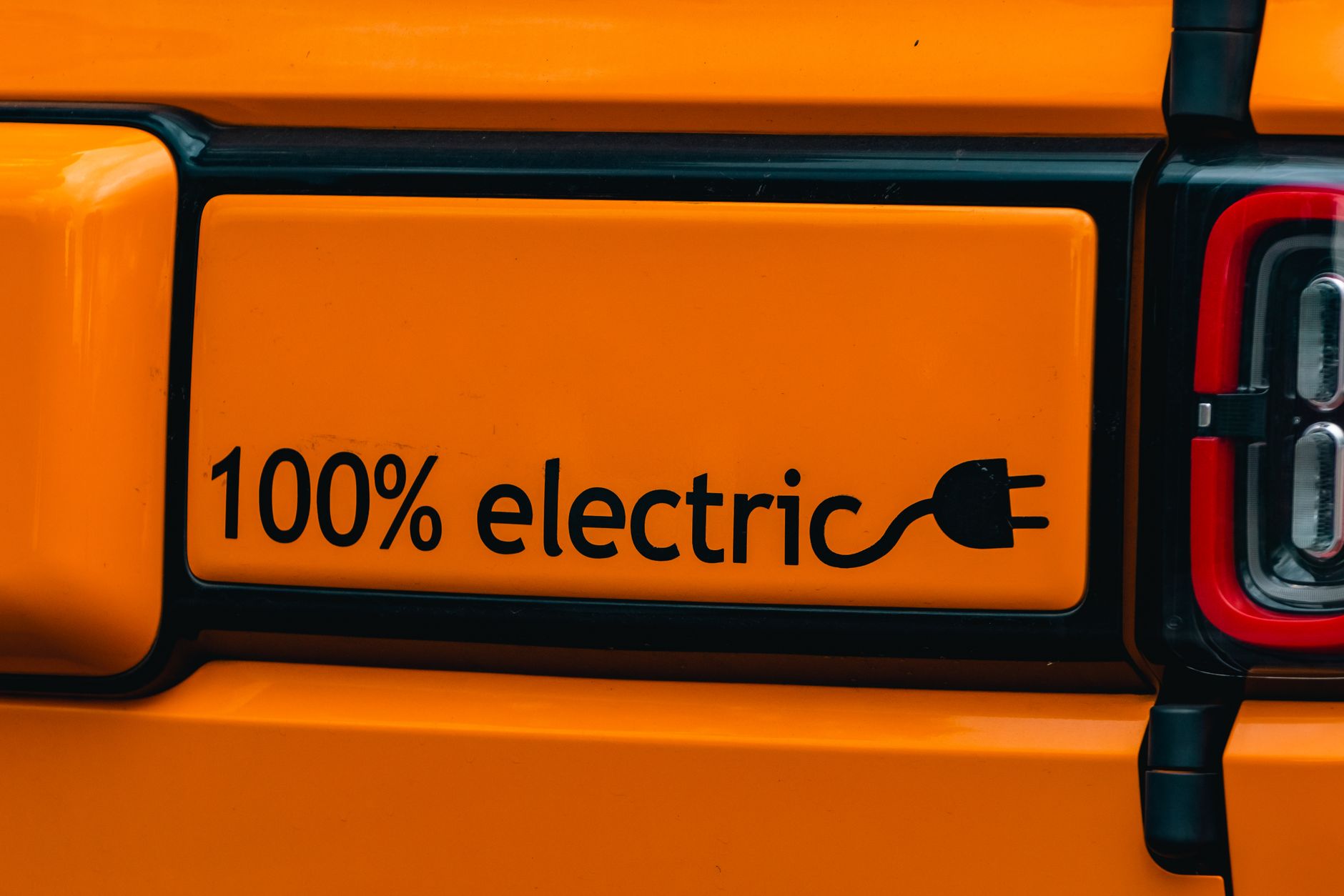
India's EV Market to Hit Rs 20 Lakh Crore by 2030: Gadkari
India's electric vehicle (EV) market is poised for unprecedented growth, with Union Minister for Road Transport and Highways Nitin Gadkari projecting it to reach a staggering Rs 20 lakh crore by 2030. This ambitious forecast, announced during a recent industry event, underscores the government's commitment to accelerating the adoption of electric mobility as a cornerstone of the nation's sustainable development strategy. Gadkari emphasized that this growth trajectory will not only transform the automotive sector but also generate approximately 5 crore jobs, positioning India as a global hub for EV manufacturing and innovation.
The minister highlighted that the shift towards electric vehicles is critical for reducing India's dependence on fossil fuels, cutting carbon emissions, and improving air quality in urban centers. He noted that the government has already implemented several policy measures, including the Faster Adoption and Manufacturing of Hybrid and Electric Vehicles (FAME) scheme, which provides incentives for EV buyers and manufacturers. Additionally, the production-linked incentive (PLI) scheme for the automotive sector is designed to boost domestic manufacturing of advanced automotive technology components, including batteries and electric drivetrains. These initiatives are expected to attract significant investments, both domestic and foreign, further fueling the market's expansion.
According to industry analysts, the projected Rs 20 lakh crore market size by 2030 represents a compound annual growth rate that far exceeds current global trends. They attribute this optimism to India's rapidly evolving consumer preferences, declining battery costs, and expanding charging infrastructure. However, they also caution that achieving this target will require overcoming challenges such as high upfront costs, range anxiety, and the need for a robust recycling ecosystem for lithium-ion batteries. The government's focus on developing indigenous battery manufacturing capabilities and establishing charging stations across highways and cities is seen as a positive step in addressing these hurdles.
The job creation potential of 5 crore roles is particularly significant, spanning manufacturing, sales, maintenance, and software development. This workforce would support not only vehicle assembly but also the entire EV ecosystem, including battery production, charging network operations, and after-sales services. Analysts note that such employment opportunities could play a pivotal role in absorbing India's growing labor force, especially in rural and semi-urban areas where many component suppliers are located. To illustrate the projected growth, the table below outlines key market indicators based on current government targets and industry estimates.
| Metric | 2023 (Estimated) | 2030 (Projected) |
|---|---|---|
| EV Market Size (Rs lakh crore) | ~0.5 | 20 |
| Annual EV Sales (million units) | ~1.5 | ~10 |
| Charging Stations (thousands) | ~2 | ~50 |
| Jobs (crore) | ~0.5 | 5 |
While these figures are ambitious, they align with the government's vision of making India a self-reliant and green mobility leader. Gadkari reiterated that the transition to EVs is not just an environmental imperative but also an economic opportunity that can drive innovation and entrepreneurship.
“The EV market in India is at a tipping point. With supportive policies and industry collaboration, we are confident that the Rs 20 lakh crore target is achievable, and the resultant job creation will be transformative for the nation.”
As India accelerates its EV journey, stakeholders across the value chain are urged to capitalize on this momentum. For the latest updates, insights, and analysis on the evolving electric vehicle landscape, visit Autoverse. Discover how you can be part of this revolution and stay ahead in the green mobility era.