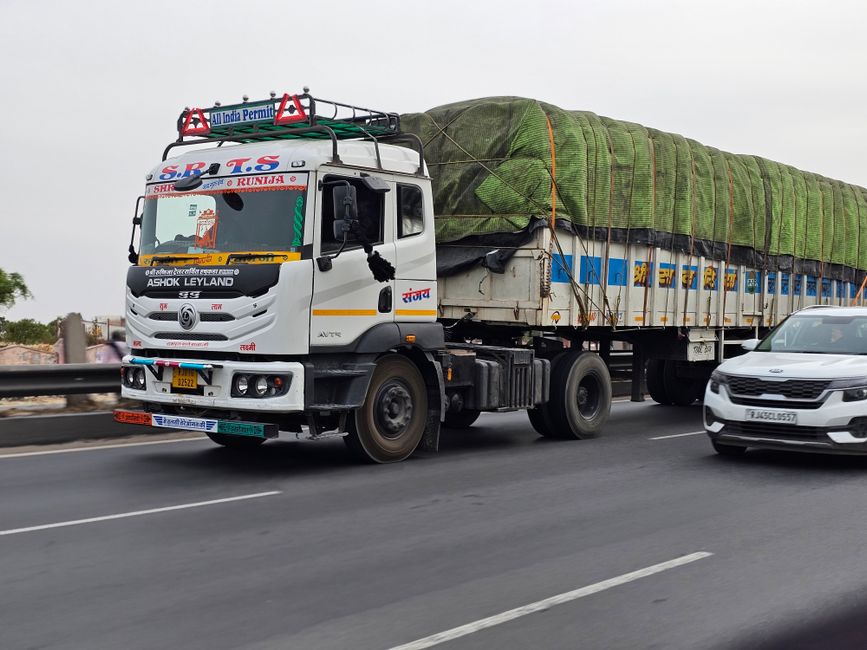
Trucking Industry in India: 2026 Overview
India's trucking industry is the backbone of the economy, moving 4.6 billion tonnes of freight annually — 70% of all freight by volume. With 3.8 million commercial trucks on the road and 8.5 crore people directly or indirectly employed, this sector dwarfs every other vehicle segment. And 2026 is its most transformative year in decades.
Top Truck OEMs in India FY26
| Brand | MHCV Sales | Share | Top Model |
|---|---|---|---|
| Tata Motors | 1,89,000 | 44.2% | Tata Sig 4825 |
| Ashok Leyland | 1,12,000 | 26.2% | Ashok Leyland 1920 |
| Mahindra Truck & Bus | 38,000 | 8.9% | Mahindra Blazo X 35 |
| BharatBenz | 34,000 | 7.9% | BharatBenz 3523R |
| VE Commercial Forces | 28,000 | 6.5% | Eicher Pro 6015 |
| Scania/PVT | 12,000 | 2.8% | Scania G410 |
The EV Truck Revolution
Electric trucks are no longer a pilot project. Tata Motors delivered 3,200 Ace EV units in FY26 — the best-selling electric CV. Ashok Leyland's iBus electric bus fleet crossed 1,500 units. Mahindra's Zor Grand electric LCV is finding takers in last-mile delivery. The total EV truck/bus market reached 12,500 units, up 180% YoY.
Policy Boost: The PM e-Bus Sewa Scheme has sanctioned 10,000 electric buses for 169 cities. FAME III includes specific allocations for e-trucks under the CESP (Clean Energy Shared Platform) initiative. State road transport corporations are electrifying fleets at record pace.
The Driverless Truck Future
India is years behind the US on autonomy, but Level 2 ADAS is already available on BharatBenz and Tata trucks. The bigger near-term disruption is digital freight matching — platforms like Porter, BlackBuck, and TruckIt handle 18% of all truck bookings now, up from 2% in 2021. Driver tracking, fuel cards, and FASTag telematics are squeezing inefficiencies out of a notoriously fragmented industry.
Reality Check: 92% of Indian truck owners operate fleets of 5 or fewer trucks. Organizing this fragmented base is the single biggest opportunity in Indian logistics. The average truck utilization is just 60%, compared to 85% in developed markets.