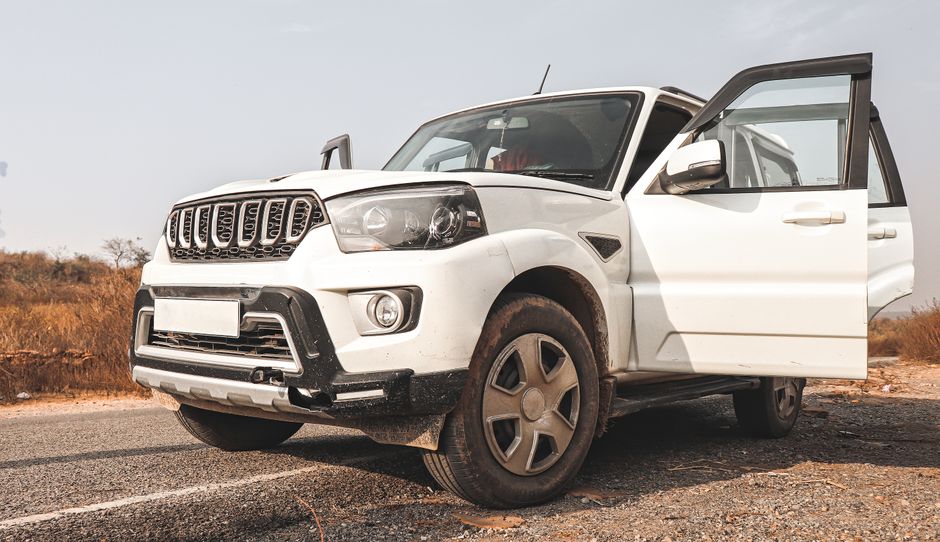
Indian SUV Boom: Why Everyone Wants An SUV
India's love affair with SUVs has officially overtaken everything else. In 2026, for the first time, more than half of all passenger vehicles sold in India were SUVs — 51.7%, up from 38% just three years ago. The humble hatchback, king of Indian roads for decades, now accounts for just 28% of new car sales.
Best-Selling SUVs in India 2026
| Model | Segment | Units Sold | Starting Price |
|---|---|---|---|
| Tata Nexon | Sub-4m SUV | 1,98,000 | ₹8.00 L |
| Hyundai Creta | Mid-size SUV | 1,76,000 | ₹11.00 L |
| Mahindra Scorpio-N | Body-on-frame SUV | 1,54,000 | ₹13.85 L |
| Tata Punch | Micro SUV | 1,28,000 | ₹6.13 L |
| Maruti Suzuki Brezza | Sub-4m SUV | 1,19,000 | ₹8.29 L |
| Mahindra XUV700 | Premium SUV | 98,000 | ₹14.59 L |
| Kia Seltos | Mid-size SUV | 87,000 | ₹10.89 L |
Why SUVs Won
The shift isn't just about looks. Road quality outside metros remains poor, and ground clearance matters. Government spending on highways (₹2.7 lakh crore in FY26) has driven intercity travel, where SUVs offer superior comfort. Automakers have also blurred the price gap — today you can buy a micro-SUV like the Tata Punch for the price of a premium hatchback.
Demographic Shift: 62% of SUV buyers are first-time car buyers, not upgraders. The SUV purchase is now aspirational in Tier 2/3 cities where one-car families want a vehicle that works for both school runs and highway trips.
The EV SUV Factor
Every major OEM has an EV SUV on sale or in development. Tata's Curvv EV (₹17.49L) sold 45,000 units in its first year. Mahindra's XEV 9e and BE 6e have 35,000+ bookings combined. Maruti's eVX is expected to launch by Diwali 2026. Hyundai's Ioniq 5 (CBU) sells 1,200 units a month despite being priced at ₹46L.
Upcoming SUVs in 2027: Nissan's Datsun SUV (sub-₹10L), Toyota's Urban Cruiser EV, Citroen C3 Aircross facelift, Skoda Kushaq EV, and the massively anticipated Maruti Suzuki eVX should push SUV share past 55%.