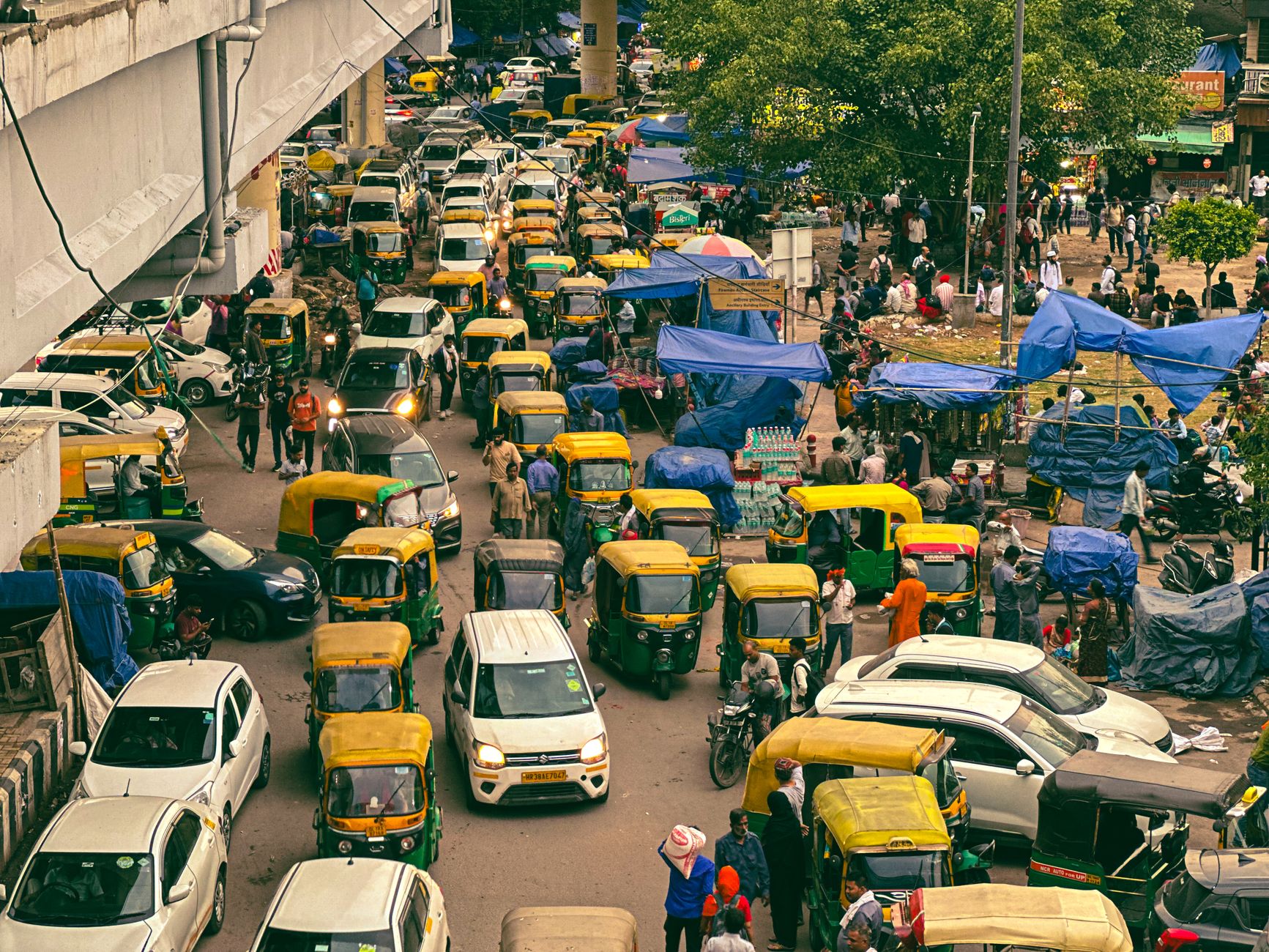
India’s PHEV Market Set to Grow with New Models Coming In 2026
India’s plug-in hybrid electric vehicle (PHEV) market is expected to gain momentum in 2026, with several new models slated for launch. While the Indian automotive market has traditionally leaned towards pure electric vehicles (EVs) and strong hybrids, PHEVs offer a compelling middle ground: they can run on electric power alone for short distances and switch to a petrol engine for longer journeys. This flexibility addresses range anxiety and charging infrastructure concerns, which are still significant barriers to EV adoption in many parts of India. Analysts say that PHEVs could play a crucial role in bridging the gap between conventional internal combustion engine (ICE) vehicles and full EVs, especially in a price-sensitive market like India.
The demand for PHEVs is also being driven by tightening emission norms and the government’s push for electrification. Although PHEVs are not currently eligible for the same subsidies as pure EVs under schemes like FAME II, their ability to reduce tailpipe emissions and fuel consumption makes them an attractive option for environmentally conscious buyers. Several global automakers are reportedly evaluating the Indian market for PHEV launches, with some already confirming plans for 2026. For instance, brands like Hyundai, Kia, and MG have expressed interest in bringing PHEV technology to India, though official announcements are awaited. The upcoming models are expected to cater to different segments, from compact SUVs to premium sedans, offering consumers more choices.
“The Indian PHEV market is at an inflection point. With new models and increasing consumer awareness, we could see a significant uptick in sales by 2026,” analysts say.
One of the key factors that will determine the success of PHEVs in India is localisation. High import duties on fully built units (CBUs) make PHEVs expensive, but if manufacturers localise production, prices could become more competitive. Local assembly or manufacturing would also help in reducing the overall cost and making PHEVs more accessible to a broader audience. Additionally, the development of charging infrastructure, though primarily aimed at EVs, will also benefit PHEV owners who can charge their vehicles at home or at public stations.
To better understand the potential growth, consider the following comparison of key parameters between PHEVs, pure EVs, and conventional hybrids in the Indian context:
| Parameter | PHEV | Pure EV | Strong Hybrid |
|---|---|---|---|
| Electric Range | 30-50 km | 200-400 km | 1-2 km |
| Charging Requirement | Yes (optional) | Yes (mandatory) | No |
| Fuel Flexibility | Petrol + Electric | Electric only | Petrol + Electric (assist) |
| Government Subsidy | Limited | Yes (FAME II) | Yes (some states) |
| Typical Price Range | ₹25-40 lakh | ₹15-30 lakh | ₹15-25 lakh |
The table above highlights that while PHEVs offer a practical compromise, their pricing and lack of substantial subsidies could hinder widespread adoption. However, with new models and potential localisation, prices may come down. Moreover, the cost of ownership for PHEVs can be lower than pure EVs in the long run if charging infrastructure is inadequate, as owners can rely on petrol without range anxiety.
Another aspect is consumer perception. Many Indian buyers are still wary of pure EVs due to charging challenges and high upfront costs. PHEVs provide a familiar driving experience with the added benefit of electric-only mode for city commutes. As more models hit the market, awareness will increase, and PHEVs could become a mainstream choice. Automakers are also likely to invest in marketing and education to highlight the benefits of PHEVs, such as lower running costs and reduced emissions.
In conclusion, India’s PHEV market is set for growth in 2026, driven by new model launches, technological advancements, and evolving consumer preferences. While challenges remain, the potential is significant. For more insights and updates on the automotive industry, visit Autoverse.