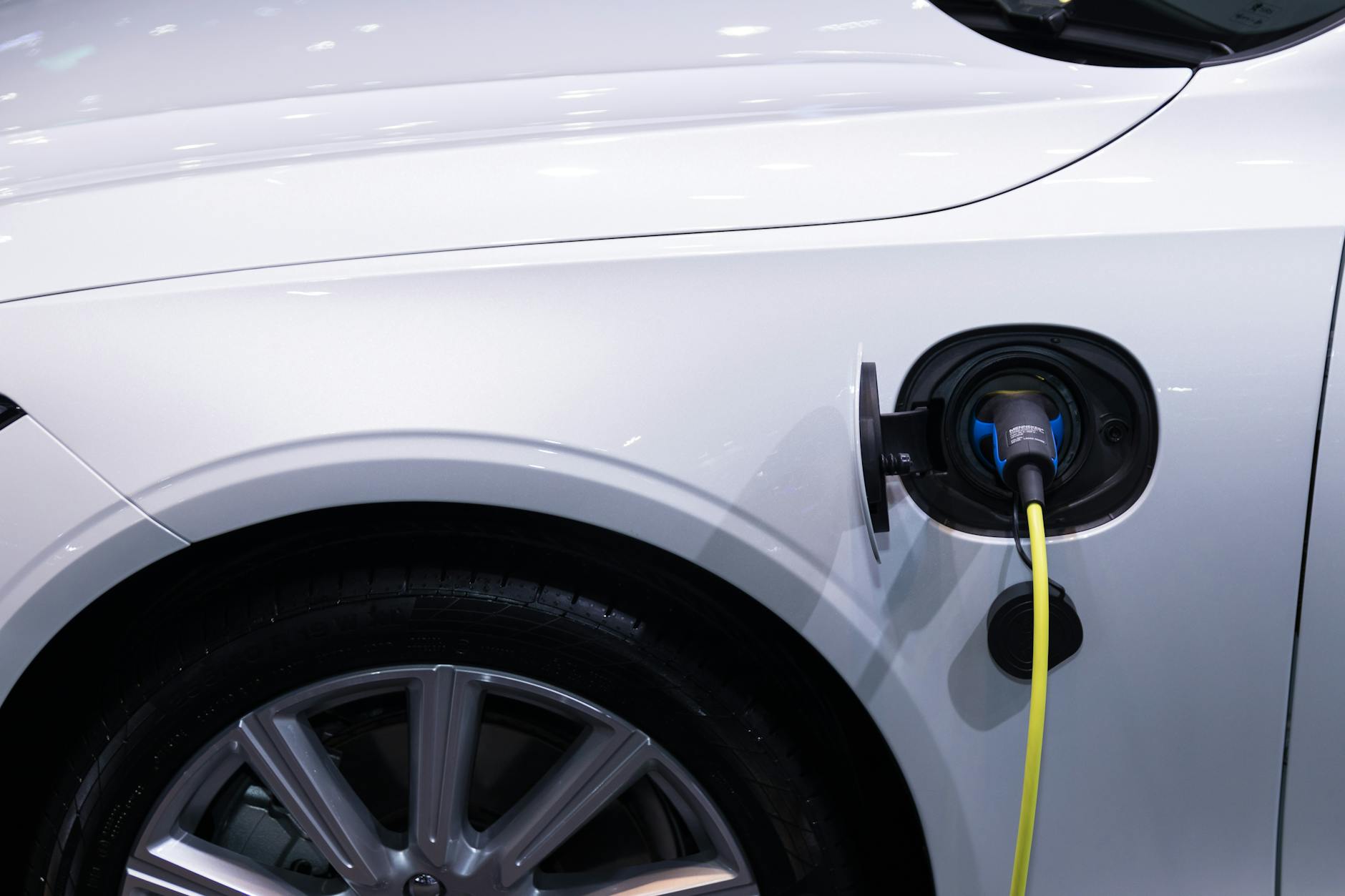
India on e-wheels: EVs making presence felt on UP roads
Electric vehicles (EVs) are steadily carving a niche on Uttar Pradesh's roads, with a visible uptick in two-wheelers and three-wheelers, yet personal car adoption lags. According to a recent analysis, the state's EV registration numbers show a clear preference for shared mobility and commercial use over private ownership. This trend mirrors broader national patterns, where affordability and charging infrastructure remain key hurdles for individual buyers.
The data reveals that as of the latest fiscal year, Uttar Pradesh registered over 1.2 lakh EVs, with two-wheelers accounting for nearly 60% of that figure. Three-wheelers, including e-rickshaws, make up about 30%, while passenger cars constitute a mere 5%. This skewed distribution underscores the role of EVs in public transport and last-mile connectivity, rather than as personal vehicles. Analysts say that the high upfront cost of electric cars, coupled with limited charging stations outside major cities, discourages private adoption.
| Vehicle Category | Registrations (FY 2025-26) | Share (%) |
|---|---|---|
| Two-wheelers | 72,000 | 60 |
| Three-wheelers | 36,000 | 30 |
| Passenger cars | 6,000 | 5 |
| Others (buses, goods) | 6,000 | 5 |
| Total | 1,20,000 | 100 |
The state government has rolled out incentives like road tax exemptions and subsidies under the FAME-II scheme, which have boosted commercial EV adoption. However, the lack of a robust charging network—Uttar Pradesh has just 250 public charging stations for a population of 24 crore—remains a critical bottleneck. This density translates to one station per 9.6 lakh people, far below the national average. Experts point out that range anxiety and charging time are major deterrents for potential car buyers.
“The current EV uptake in Uttar Pradesh is driven by economics, not environmental consciousness. For personal vehicles, the total cost of ownership still favors petrol cars, especially when resale value and battery replacement are considered,” said an industry analyst.
Despite these challenges, the trajectory is encouraging. EV registrations in the state grew by 85% year-on-year, albeit from a low base. The government's target of 15% EV penetration by 2030 seems ambitious but not impossible, provided infrastructure keeps pace. For now, the electric revolution in UP is most visible in the hum of e-rickshaws and the silent glide of electric scooters, not in the driveways of private homes.
As the state moves forward, the focus must shift to making EVs a personal choice. This requires not just more charging points, but also affordable financing, battery-swapping stations, and consumer awareness campaigns. Until then, EVs will remain a public phenomenon, easing urban congestion and pollution, but not yet a household name.
For more insights into India's electric mobility transition and how it affects your daily commute, visit Autoverse for the latest updates and expert analyses.