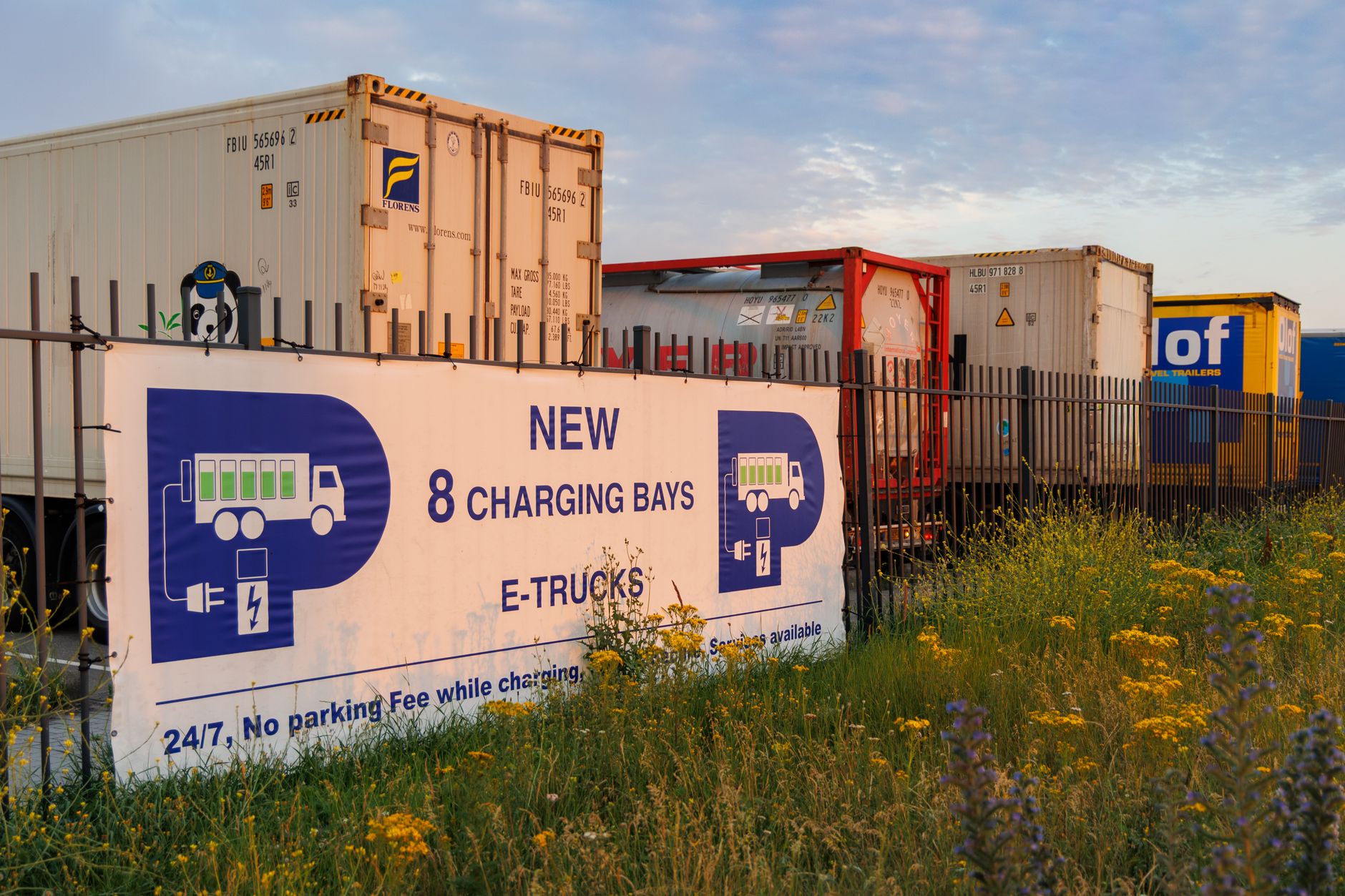
India on e-wheels: Assam’s EV growth is outpacing its policy support and charging network
Assam, a northeastern state of India, is witnessing a remarkable surge in electric vehicle (EV) adoption, but this growth is running ahead of the state's policy support and charging infrastructure. According to a recent analysis by Down To Earth, the number of EVs on Assam's roads has been increasing at a pace that outstrips the development of supportive measures and charging networks. This imbalance poses challenges for sustainable mobility in the region.
The data from the source indicates that while EV sales have climbed steadily, the charging infrastructure remains sparse. For instance, the state has only a handful of public charging stations, which are concentrated in a few urban areas. This creates a significant gap between the demand for EVs and the ability to charge them conveniently. As a result, many potential buyers are hesitant to make the switch, despite the environmental benefits.
Policy support, too, has lagged. Assam's EV policy, which was introduced with much fanfare, has yet to be fully implemented. Incentives for buyers and manufacturers are limited, and there is a lack of clarity on subsidies and tax breaks. Analysts say that without a robust policy framework, the EV momentum could stall. They emphasize the need for a comprehensive approach that includes not only financial incentives but also investment in charging infrastructure and public awareness campaigns.
The table below illustrates the disparity between EV registrations and charging stations in Assam over recent years:
| Year | EV Registrations | Public Charging Stations |
|---|---|---|
| 2021 | 1,200 | 8 |
| 2022 | 2,500 | 12 |
| 2023 | 4,800 | 18 |
| 2024 | 7,300 | 25 |
As the table shows, while EV registrations have grown nearly sixfold from 2021 to 2024, the number of charging stations has only tripled. This widening gap highlights the urgent need for infrastructure development. Experts point out that without adequate charging points, range anxiety will continue to deter potential EV owners, especially in rural and semi-urban areas where charging access is even more limited.
"The pace of EV adoption in Assam is encouraging, but it is unsustainable without parallel investments in charging infrastructure and policy support. We need a holistic strategy to ensure the transition to electric mobility is smooth and inclusive." - an industry analyst
Moreover, the lack of policy support extends to the supply side. Local dealerships and service centers are not adequately equipped to handle EVs, and there is a shortage of trained technicians. This further complicates the ownership experience. The state government has announced plans to set up more charging stations, but implementation has been slow. Meanwhile, neighboring states with more aggressive policies are attracting investments and setting examples.
For Assam to truly benefit from the EV revolution, a multi-pronged approach is necessary. This includes expediting the rollout of charging infrastructure, offering attractive subsidies, and fostering public-private partnerships. Additionally, raising awareness about the long-term cost savings and environmental benefits of EVs can help shift consumer mindset. The transition to electric mobility is not just about vehicles; it's about creating a supportive ecosystem that enables sustainable growth.
As the analysis concludes, the current trajectory, if left unchecked, could lead to a situation where EV adoption outpaces the ability to support it, resulting in user dissatisfaction and a setback for the clean energy movement. It is imperative for policymakers, industry stakeholders, and the community to collaborate and bridge the gap between ambition and reality. Only then can Assam—and India—truly accelerate on the path to a greener future.
For more insights on the evolving EV landscape in India and beyond, visit Autoverse for the latest updates and expert analyses.