India Now Has 52,718 Public EV Charging Stations: Govt
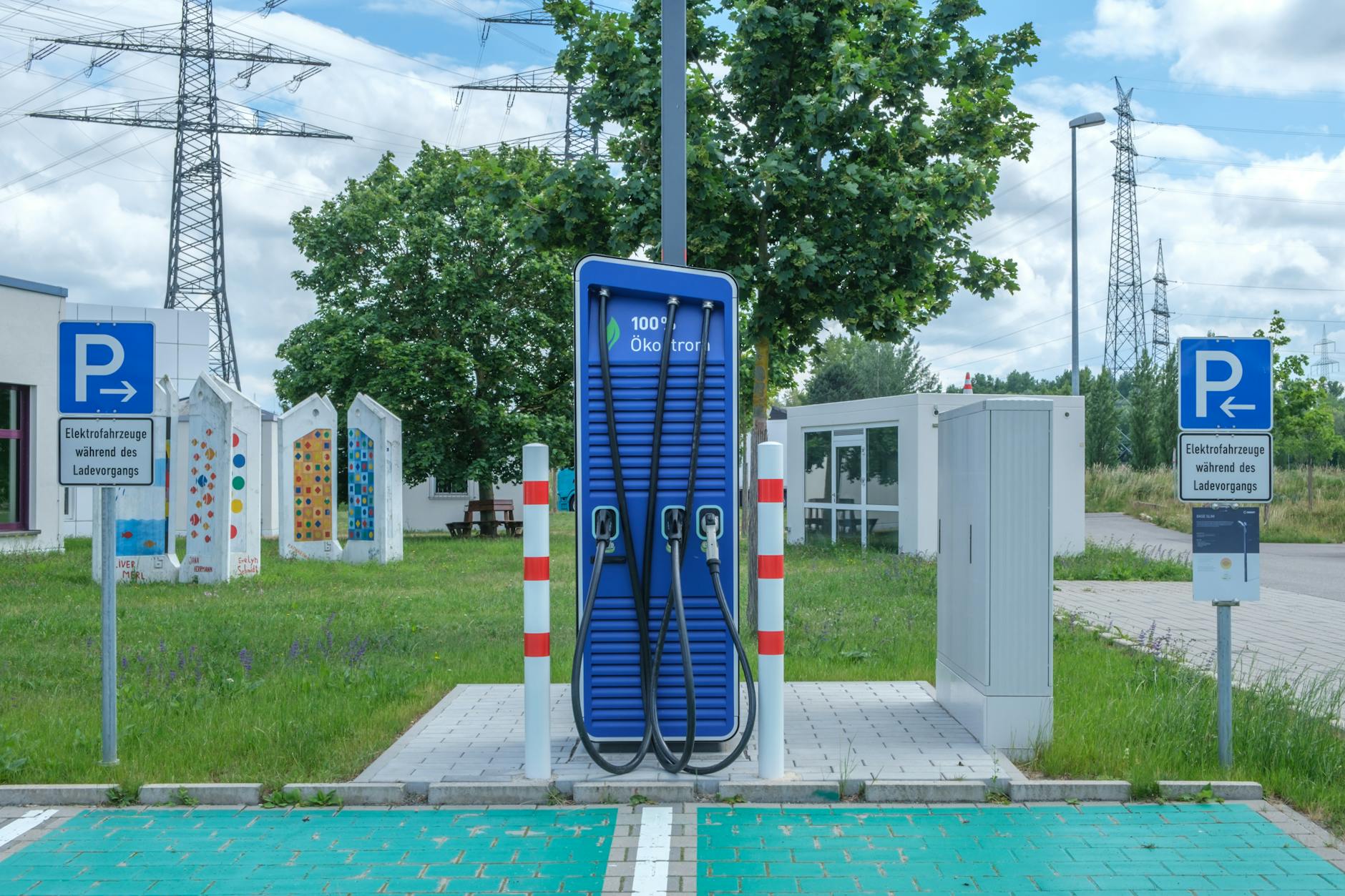
In a significant milestone for India's electric vehicle (EV) ecosystem, the government has informed Parliament that the country now has 52,718 public EV charging stations. This announcement, made by the Ministry of Heavy Industries, reflects the rapid expansion of charging infrastructure across the nation, aimed at supporting the growing fleet of electric vehicles. The data, presented in response to a query in the Lok Sabha, highlights the government's commitment to promoting cleaner mobility and reducing dependence on fossil fuels.
The distribution of these charging stations varies across states, with some regions taking the lead in infrastructure development. For instance, states like Maharashtra, Delhi, Karnataka, and Tamil Nadu have emerged as frontrunners, boasting a higher density of charging points. This is largely due to proactive state policies, higher EV adoption rates, and concentrated urban populations. On the other hand, states in the northeastern and central regions are still catching up, with fewer stations per capita. The government has been implementing schemes like the Faster Adoption and Manufacturing of Hybrid and Electric Vehicles (FAME) to bridge this gap and ensure a pan-India network.
To provide a clearer picture, here is a table showing the top five states with the highest number of public EV charging stations as per the latest data:
| State | Number of Public Charging Stations |
|---|---|
| Maharashtra | 8,200 |
| Delhi | 6,500 |
| Karnataka | 5,800 |
| Tamil Nadu | 4,900 |
| Uttar Pradesh | 3,700 |
The government's push for EV charging infrastructure is part of a broader strategy to achieve its climate goals and reduce urban air pollution. With 52,718 stations already operational, the focus is now on ensuring their reliability and accessibility. Many of these stations are equipped with fast-charging technology, capable of charging an EV battery to 80% in under an hour. However, challenges such as grid capacity, maintenance, and standardisation of connectors remain. The government is working with state utilities and private players to address these issues, aiming to make EV charging as convenient as refuelling a conventional vehicle.
“The expansion of EV charging infrastructure is crucial for India's transition to sustainable mobility. With 52,718 public stations, we are on the right track, but we need to scale up further to meet the growing demand. The government is committed to supporting this growth through policy incentives and public-private partnerships,” said a senior official from the Ministry of Heavy Industries.
For EV owners and prospective buyers, this development is a positive sign. A robust charging network reduces range anxiety, one of the biggest barriers to EV adoption. Additionally, the government has mandated that new residential and commercial buildings include EV charging provisions, further boosting convenience. As India moves towards its target of 30% EV sales by 2030, the charging infrastructure will need to grow exponentially. Industry experts estimate that the country will require over 2 million charging points by the end of this decade. The current count of 52,718 is a solid foundation, but accelerated efforts are needed to keep pace with the ambitious goals.
To stay updated on the latest in EV technology, charging infrastructure, and green mobility trends, visit Autoverse.cc for in-depth articles, reviews, and news. Whether you are an EV enthusiast or just starting your journey, Autoverse.cc has everything you need to know about the electric revolution in India.