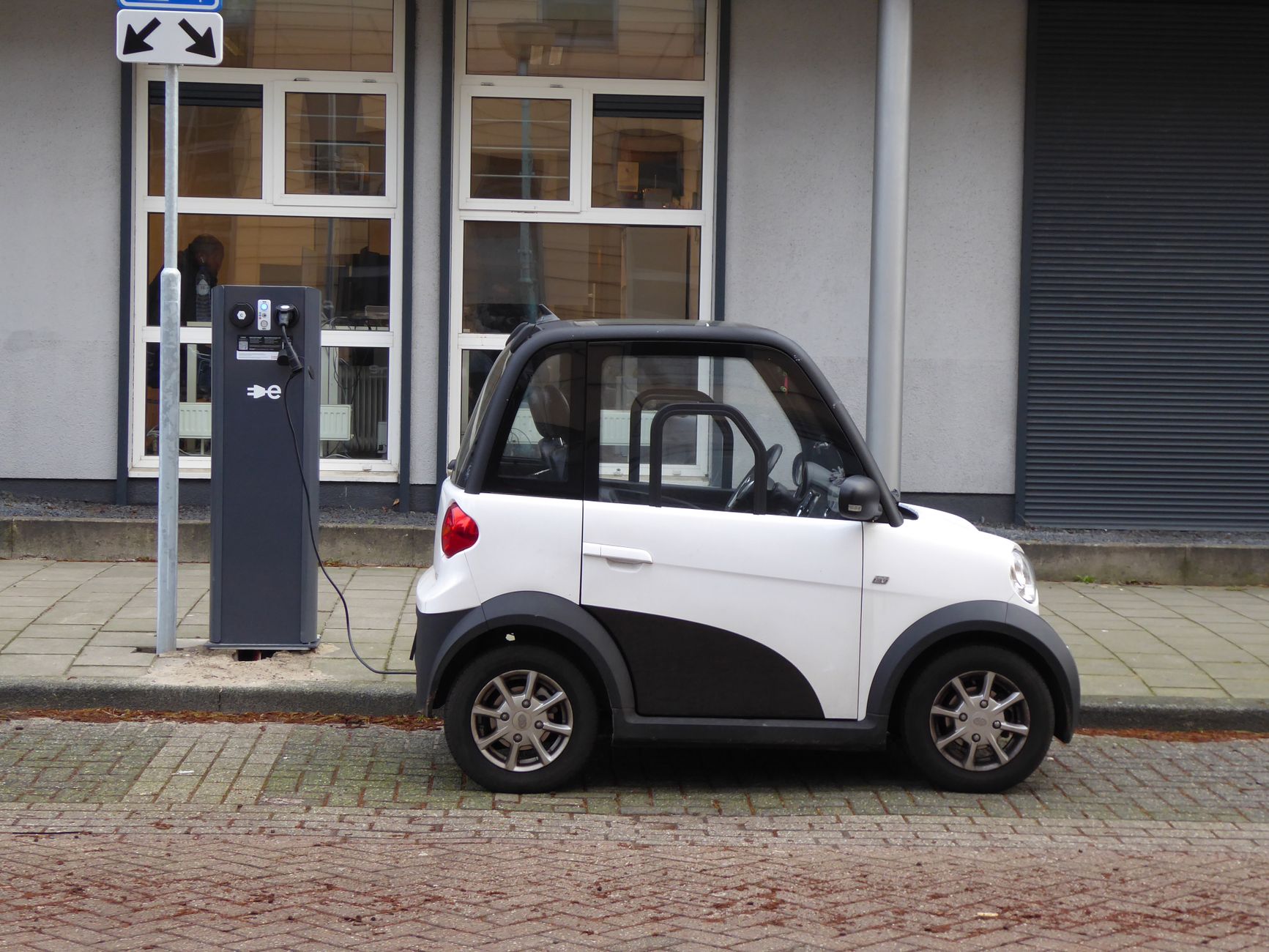
India's EV Charging Network Grows: 52,718 Public Stations, 16,500+ Fast Chargers
Stat-Callout: India now has 52,718 public EV charging stations – a 340% increase from FY23. Fast chargers account for 31% of all public chargers, enabling quicker turnaround for EV owners.
The Charging Landscape in India
The expansion of charging infrastructure is a critical enabler for EV adoption. According to the Ministry of Power, the current network includes a mix of slow AC chargers and high-speed DC fast chargers. Cities like Delhi, Mumbai, Bengaluru, Chennai, Pune, Hyderabad, and Ahmedabad have the highest concentration of stations, with Delhi alone hosting over 8,000 public chargers.
Key players in this space include Tata Power, which has installed over 5,000 fast chargers across 450 cities, and Reliance Industries, which is setting up its 'Jio-BP' charging network at fuel stations. Other significant contributors are Bajaj Auto (through its e-mobility division) and Maruti Suzuki, which is partnering with HDFC Bank to offer bundled charging solutions.
Fast Chargers: The Game Changer
Fast chargers (typically 50 kW and above) can charge an EV battery to 80% in under an hour. With 16,500+ such units now operational, the range anxiety that once plagued Indian EV buyers is diminishing. The government's FAME II scheme, extended into FY27, has provided subsidies for both chargers and vehicles, leading to a surge in installations.
Table: Top 5 States by Public EV Charging Stations (July 2026)
| State | Total Stations | Fast Chargers | Avg. Cost per Charge (₹) | Key Operator |
|---|---|---|---|---|
| Maharashtra | 8,420 | 3,100 | ₹120 | Tata Power |
| Delhi | 8,105 | 2,850 | ₹110 | Reliance BP |
| Karnataka | 6,230 | 2,100 | ₹115 | BESCOM |
| Tamil Nadu | 5,870 | 1,950 | ₹125 | Adani Total Gas |
| Uttar Pradesh | 4,950 | 1,600 | ₹105 | NTPC |
Source: Ministry of Power, July 2026
How This Impacts Indian EV Buyers
For the average Indian buyer, the growth of charging infrastructure translates to more confidence in switching to electric. The ex-showroom price of popular EVs like the Tata Nexon EV (₹14.99 lakh) and MG Comet EV (₹7.98 lakh) is now complemented by lower running costs. Charging at a public station costs around ₹110–₹130 per charge, compared to ₹1,200–₹1,500 for a full tank of petrol.
Blockquote: "With over 52,000 public chargers, India's EV ecosystem is finally moving from early adoption to mass acceptance. The next phase will focus on rural and highway corridors." – Ravi Pandit, Chairman, Bajaj Auto.
The Role of Indian Corporates
Indian companies are not just installing chargers; they are innovating. Infosys has developed a cloud-based charging management platform used by multiple operators. TCS is working with OEMs on battery management systems that optimise charging cycles. Reliance has announced plans to set up 10,000 fast chargers by FY27, while Tata Motors is bundling home chargers with every EV sale.
Financial and Policy Context
The government's push is backed by a ₹10,000 crore outlay under the National Electric Mobility Mission Plan (NEMMP) for FY26-27. SEBI has also relaxed norms for EV infrastructure companies to raise funds via IPOs. The RBI has included EV charging as a priority sector lending category, making loans cheaper for operators.
Festive Season Boost
With the upcoming Diwali sales and holiday period, automakers are offering discounts of up to ₹50,000 on EVs. The combination of reduced on-road prices (including RTO and insurance) and easier access to charging is expected to push monthly EV sales past 1,00,000 units for the first time.
The Road Ahead
While the numbers are impressive, challenges remain. The density of chargers in tier-2 and tier-3 cities is still low, and many chargers face maintenance issues. However, with GST on chargers reduced to 5% and state-level subsidies, the pace of installation is expected to accelerate.
For the Indian EV buyer, the message is clear: the infrastructure is catching up. Whether you own a Tata, MG, or Maruti EV, charging your vehicle is becoming as easy as filling up a petrol tank.
Ready to explore more about India's EV revolution? Visit AutoVerse for the latest news, expert reviews, and detailed comparisons of electric vehicles in India. Stay charged with AutoVerse!