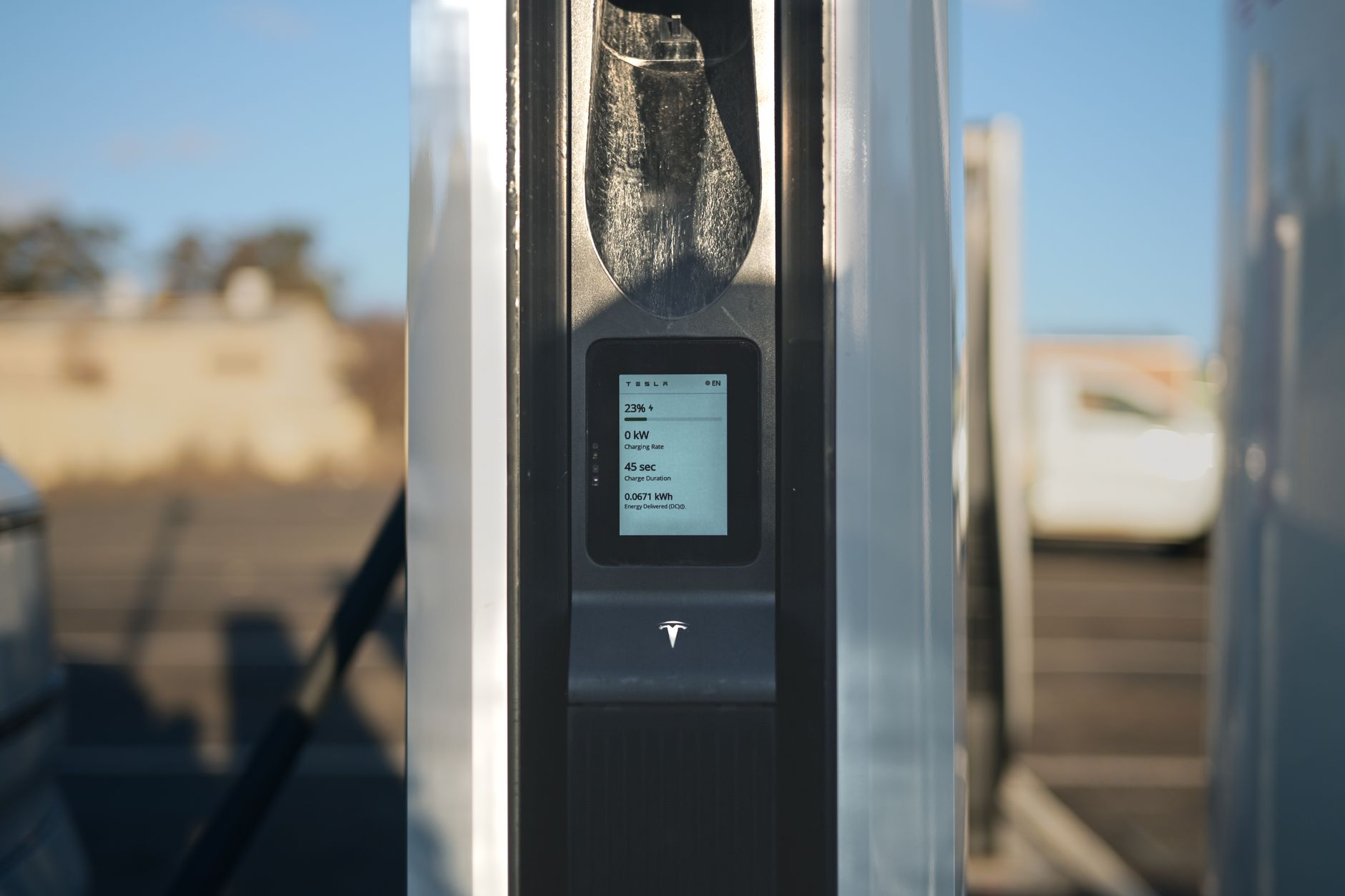
India Crosses 52,000 Public EV Charging Stations: A Major Infra Push
The 52,000-station mark represents a 40% increase from the 37,000 stations operational in early 2026, driven by both government schemes and private sector investment.
The Growth of EV Charging Infrastructure in India
The expansion of public charging stations is a key enabler for EV adoption in India. With states like Maharashtra, Delhi, Karnataka, and Tamil Nadu leading the charge, the network now covers major highways, metro cities, and tier-2 centres. Companies such as Tata Power, Reliance BP Mobility, and IOCL have installed thousands of chargers, while startups like ChargePoint and Statiq are expanding rapidly.
According to the Ministry of Power, the target is to have 1.32 lakh public charging stations by FY27, aligning with the government's FAME III scheme. This push is critical for achieving the goal of 30% EV sales by 2030.
Key Drivers of Charging Station Growth
- Government Incentives: The Faster Adoption and Manufacturing of Electric Vehicles (FAME) scheme offers subsidies for public charging infrastructure, with state-specific policies in Gujarat, Uttar Pradesh, and Rajasthan.
- Private Investment: Reliance, Tata, and Adani have committed ₹5,000 crore combined for charging networks, with plans to install 10,000 stations each over five years.
- Technology Advancements: Fast-charging stations (50 kW to 350 kW) are now common, reducing charging time to under 30 minutes for most EVs.
Impact on Indian EV Buyers
For the average Indian buyer, the expansion means less range anxiety and more confidence in purchasing an EV. Key benefits include:
- Reduced Charging Time: With 150 kW chargers becoming standard, a 40-kWh battery can be charged to 80% in 20 minutes.
- Wider Reach: Highways connecting Mumbai-Delhi, Bengaluru-Chennai, and Pune-Hyderabad now have charging stations every 50 km.
- Cost Savings: Charging at public stations costs ₹8-12 per unit, compared to ₹15-20 for petrol equivalent per km.
Table: Indian EV Market Data (July 2026)
| Model | Manufacturer | Ex-showroom Price (₹) | On-road Price (₹) | ARAI Range (km) | Battery (kWh) |
|---|---|---|---|---|---|
| Nexon EV Max | Tata Motors | 16.50 lakh | 18.20 lakh | 437 | 40.5 |
| eC3 | Citroën | 12.10 lakh | 13.75 lakh | 320 | 29.2 |
| ZS EV | MG Motor | 22.80 lakh | 24.90 lakh | 461 | 50.3 |
| Kona Electric | Hyundai | 24.50 lakh | 26.60 lakh | 452 | 39.2 |
| Tiago EV | Tata Motors | 8.50 lakh | 9.90 lakh | 250 | 19.2 |
Note: Prices are indicative and vary by city (Mumbai, Delhi, Bengaluru). RTO and insurance costs are included in on-road price.
Challenges and the Road Ahead
Despite the progress, challenges remain. The current 52,000 stations are still insufficient for the 2.5 million EVs on Indian roads, with a ratio of 1 station per 48 vehicles. Additionally, grid capacity and land availability are concerns in dense urban areas.
"India's charging infrastructure is growing at 40% annually, but we need to accelerate to 60% to meet 2030 targets. Private sector participation and innovative business models are key." — An industry expert quoted in ET Auto.
Future Outlook
- Targets: 1.32 lakh stations by FY27, with a focus on rural and highway corridors.
- Investment: ₹10,000 crore from public and private sources over the next two years.
- Technology: Battery swapping stations for two-wheelers and three-wheelers, especially in cities like Delhi and Bengaluru.
Conclusion
India's achievement of 52,000 public EV charging stations is a testament to the collective efforts of government, industry, and consumers. For Indian buyers, this means more options, lower costs, and greater convenience. As the festive season approaches, expect more EV launches and charging station installations.
For detailed analysis and real-time data on EV charging stations and vehicle prices, visit AutoVerse.