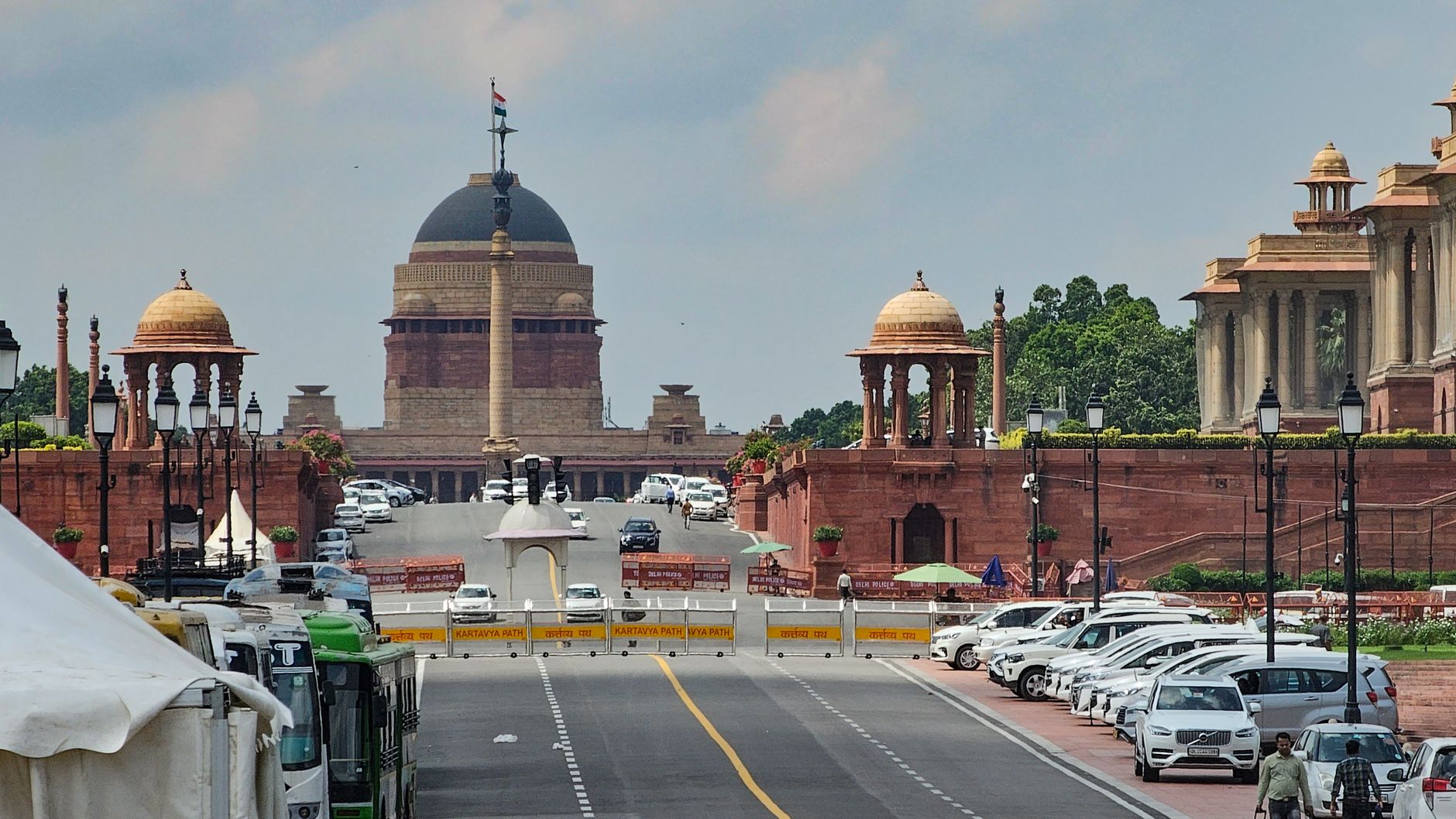
India's Capital Part of Aggressive EV Targets to Curb Air Pollution
India's capital, New Delhi, is at the forefront of an aggressive push toward electric vehicles (EVs) as part of a broader strategy to combat the city's severe air pollution. The initiative, which aligns with national goals, aims to significantly reduce vehicular emissions, a major contributor to the toxic smog that envelops the region each winter. According to the latest data, the transportation sector accounts for a substantial share of the city's particulate matter pollution. By accelerating the adoption of EVs, policymakers hope to cut these emissions dramatically over the next few years.
The targets are ambitious, with the city government setting clear milestones for EV adoption across various vehicle categories, including two-wheelers, three-wheelers, and public transport. The plan includes a mix of financial incentives, charging infrastructure development, and regulatory mandates. For instance, the government has proposed waiving road taxes and registration fees for EV buyers, making them more affordable compared to conventional vehicles. Additionally, a network of charging stations is being expanded to address range anxiety, a key barrier to EV adoption. Analysts note that such measures are critical to meeting the targets, as they address both upfront costs and convenience.
However, challenges remain. The high initial cost of EVs, limited battery manufacturing capacity, and the need for a robust recycling ecosystem are hurdles that need to be overcome. Despite these, the momentum is building. The city's transport department has reported a steady increase in EV registrations over the past year, with a notable surge in electric two-wheelers. The government's commitment is also reflected in its budget allocation, with a significant portion dedicated to EV subsidies and infrastructure. As one official put it, "The transition to electric is not just about cleaner air but also about energy security and economic opportunity."
To put the progress in perspective, the table below highlights key EV adoption numbers and targets in New Delhi:
| Category | Current Registrations | Target by 2026 |
|---|---|---|
| Two-wheelers | 45,000 | 150,000 |
| Three-wheelers | 12,000 | 50,000 |
| Public Buses | 1,500 | 5,000 |
| Private Cars | 8,000 | 25,000 |
These figures, based on recent government data, underscore the scale of the challenge and the ambition. The city aims to have EVs constitute a significant share of all new vehicle sales by 2026, a move that could serve as a model for other Indian cities grappling with pollution.
"The aggressive EV targets are a clear signal that the capital is serious about cleaning up its air. However, success will depend on consistent policy implementation and public-private collaboration," analysts say.
While the road ahead is long, the potential benefits are immense—not just for public health but also for reducing India's dependence on imported fossil fuels. As the world watches, New Delhi's experiment with aggressive EV targets could well become a blueprint for urban India. For more insights into the automotive and EV landscape, visit autoverse.cc.