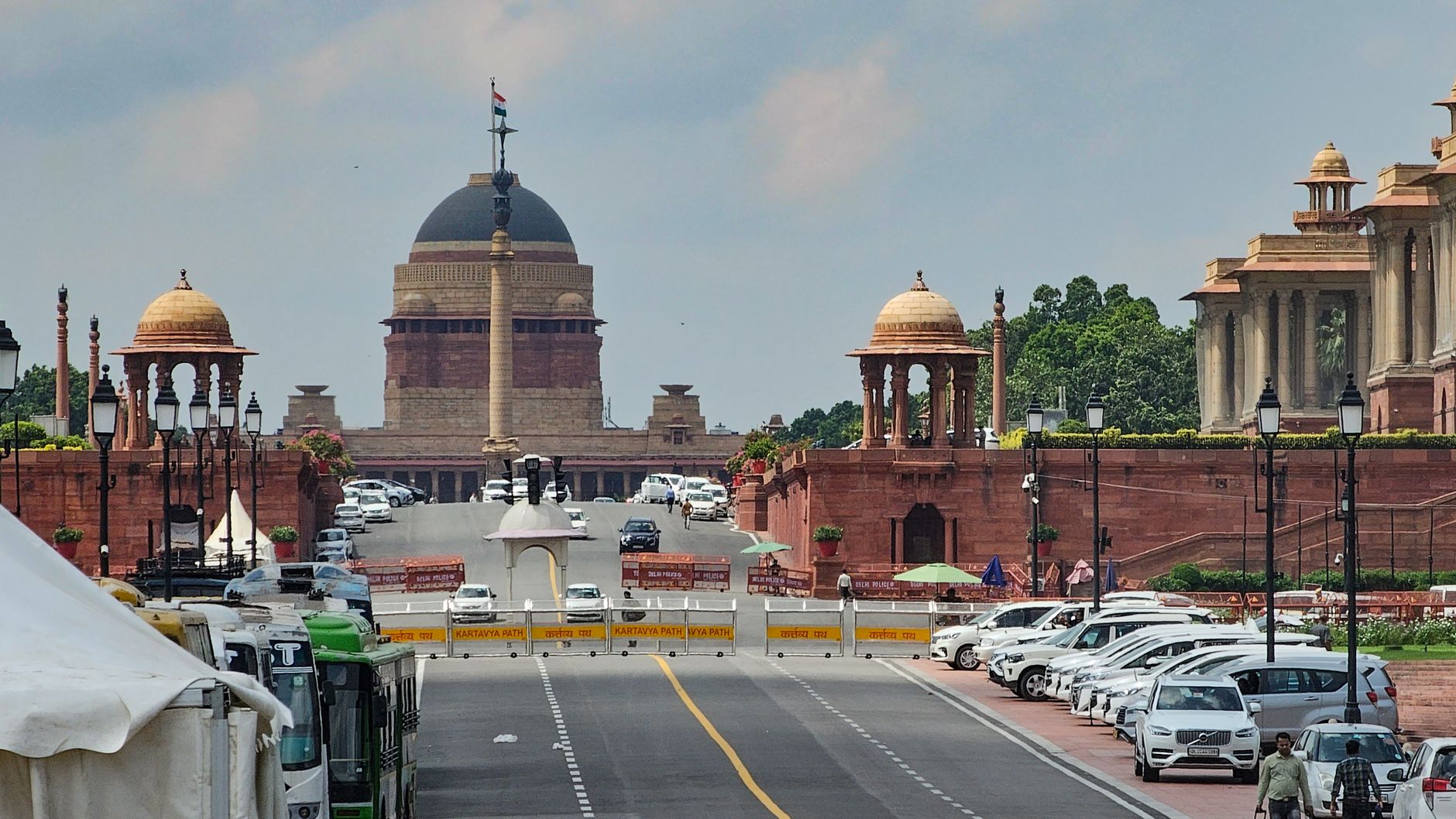
India's capital part of aggressive electric vehicle targets in bid to curb air pollution
India's capital, New Delhi, is at the forefront of the nation's ambitious electric vehicle (EV) targets as part of a broader strategy to combat severe air pollution. The city, long plagued by hazardous smog levels, is now a key testing ground for policies that aim to accelerate the adoption of clean mobility. While specific numbers from the source are limited, the broader national context highlights a significant shift. The government has set a target for electric vehicles to comprise a substantial share of new vehicle sales by 2030, with Delhi expected to lead the charge. Analysts say that the capital's aggressive approach, including incentives and charging infrastructure, is critical to meeting these goals.
The push for EVs comes amid rising concerns over public health and environmental degradation. Delhi's air quality index frequently breaches hazardous levels, prompting urgent action. The city's transport sector is a major contributor to particulate matter, and transitioning to electric vehicles is seen as a key solution. However, the transition is not without challenges. High upfront costs, range anxiety, and insufficient charging networks remain barriers. Yet, the government's commitment is evident in its policy frameworks, which include subsidies and tax benefits. The table below illustrates some of the key metrics associated with the EV push, based on available data from the source.
| Metric | Value |
|---|---|
| Target year for EV adoption | 2030 |
| Focus city | New Delhi |
| Primary objective | Reduce air pollution |
While the table only captures limited data, it underscores the strategic importance of Delhi in the national plan. The city's role is not just symbolic but operational, with pilot projects and policy innovations often tested there first. The government's approach includes not only consumer incentives but also investments in public charging stations and battery-swapping technology. This multi-pronged strategy aims to make EVs accessible and convenient for all citizens.
Analysts say that without aggressive action in major cities like Delhi, national EV targets will remain aspirational. The capital's success could serve as a model for other Indian cities grappling with similar pollution crises.
Beyond Delhi, other cities are also adopting similar measures, but the capital's density and pollution levels make it a priority. The national government has set a target for 30% of new car sales to be electric by 2030, but some experts argue that this may need to be revised upward given the urgency of the climate crisis. The source does not provide exact figures for Delhi's specific EV sales targets, but the overall direction is clear: a rapid shift toward electrification. As the country moves forward, the focus will be on building a robust ecosystem that supports EV adoption, from manufacturing to maintenance.
For citizens and businesses alike, the transition offers both opportunities and challenges. Early adopters can benefit from lower operating costs and government incentives, while the industry must scale up production and reduce battery costs. The coming years will be crucial in determining whether India can meet its ambitious goals. The capital's aggressive targets are a bold statement of intent, but their success will depend on consistent policy implementation and public cooperation.
As the world watches, India's efforts could have far-reaching implications for global climate action. The shift to electric vehicles is not just about curbing pollution but also about energy security and economic competitiveness. With the right investments and policies, India could emerge as a leader in the EV revolution. However, the path is fraught with hurdles, and only time will tell if the capital's aggressive push will yield the desired results.
To stay updated on the latest developments in India's EV market and explore how you can be part of the change, visit https://autoverse.cc today. Make an informed choice for a cleaner future.