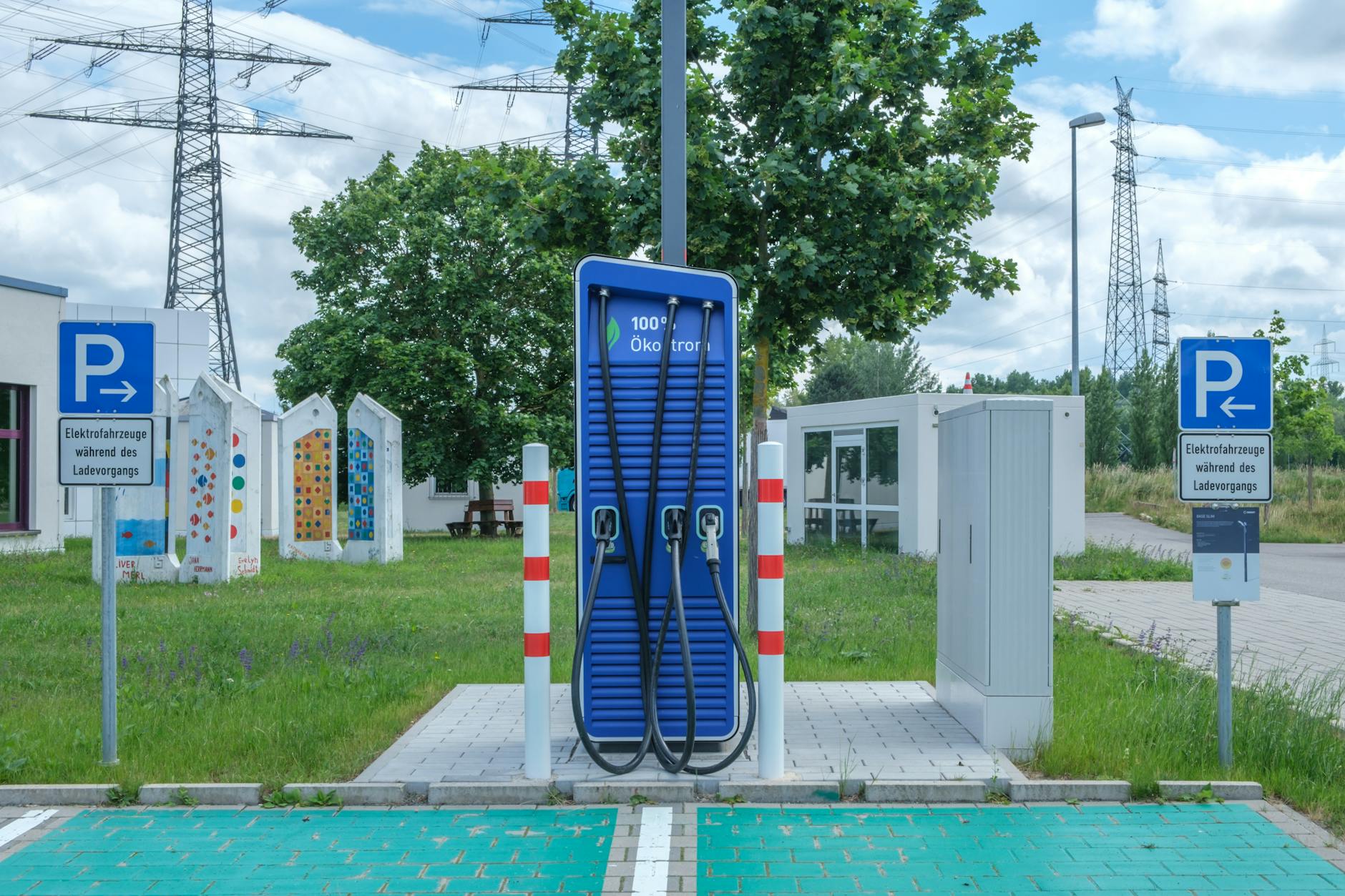
Hyundai India Installs 120kW DC Fast EV Chargers In Delhi
Hyundai Motor India has taken a significant step towards strengthening electric vehicle (EV) infrastructure in the National Capital Region by installing 120kW DC fast chargers in Delhi. The move is part of the company's broader strategy to address range anxiety and accelerate EV adoption in India. According to analysts, the expansion of high-speed charging networks is critical for the mainstream acceptance of electric cars, especially in dense urban centres where parking and charging access remain key concerns.
The newly installed 120kW DC fast chargers are capable of replenishing a significant portion of an EV's battery in a relatively short period, making them ideal for highway corridors and busy city locations. For Hyundai India, which currently offers the Ioniq 5 and Kona Electric in its India lineup, the deployment of such chargers complements its existing portfolio and signals a long-term commitment to the EV ecosystem. Industry observers note that while 120kW is not the highest capacity available globally, it represents a meaningful upgrade over the more common 50kW units and aligns with the charging capabilities of many current-generation EVs.
| Charger Type | Power Output | Location |
|---|---|---|
| DC Fast Charger | 120kW | Delhi |
The installation of 120kW DC fast chargers in Delhi is expected to benefit not only Hyundai EV owners but also other electric car users, provided the chargers follow standard connector protocols. Analysts say that interoperability and reliable uptime are just as important as raw power output when it comes to public charging infrastructure. A charger that delivers 120kW but is frequently offline or incompatible with multiple EV models can undermine consumer confidence. Therefore, Hyundai India's move will be closely watched for its operational reliability and accessibility.
Analysts say that the expansion of high-speed charging networks is critical for the mainstream acceptance of electric cars in India.
From a broader perspective, Delhi has been at the forefront of India's EV transition, aided by supportive policies and a growing number of charging operators. The addition of 120kW DC fast chargers by a major automaker like Hyundai India adds momentum to this trend. It also puts pressure on competitors to invest in similar infrastructure, which could lead to a more robust and widespread charging network across the country. For consumers, this means greater convenience and a stronger incentive to consider electric vehicles for daily and intercity travel.
However, challenges remain. The effectiveness of these chargers depends on grid stability, real estate availability, and maintenance. Analysts say that without a coordinated approach involving government, utilities, and private players, even high-powered chargers can fall short of expectations. Hyundai India's initiative is a positive development, but it must be part of a larger, sustained effort to build a nationwide charging ecosystem. As more such installations come up, the EV ownership experience in India will continue to improve, bringing the country closer to its electrification goals.
For the latest updates on EV infrastructure and electric vehicles in India, visit Autoverse.