Hyundai Bayon Launching Before Diwali, New Electric SUV in 2027 - CarLelo
Hyundai is gearing up to expand its SUV portfolio in India with the much-anticipated Bayon, which is expected to hit showrooms just before Diwali this year. The Bayon, a sub-compact SUV that has already made its mark in global markets, will be positioned to compete in the highly competitive segment that includes models like the Tata Nexon and Maruti Suzuki Brezza. This launch is part of Hyundai's strategy to strengthen its presence in the fast-growing compact SUV space, where demand continues to surge among Indian buyers looking for stylish, feature-rich, and affordable options.
The Bayon is likely to be offered with a choice of petrol engines, including a 1.0-litre turbocharged unit that delivers a punchy performance while maintaining impressive fuel efficiency. Hyundai is expected to equip the Bayon with a host of modern features such as a large touchscreen infotainment system, digital instrument cluster, wireless charging, and advanced safety features like multiple airbags, ABS with EBD, and electronic stability control. With its bold design language, cascading grille, and sleek LED lighting, the Bayon is poised to attract young urban buyers who prioritize both style and substance.
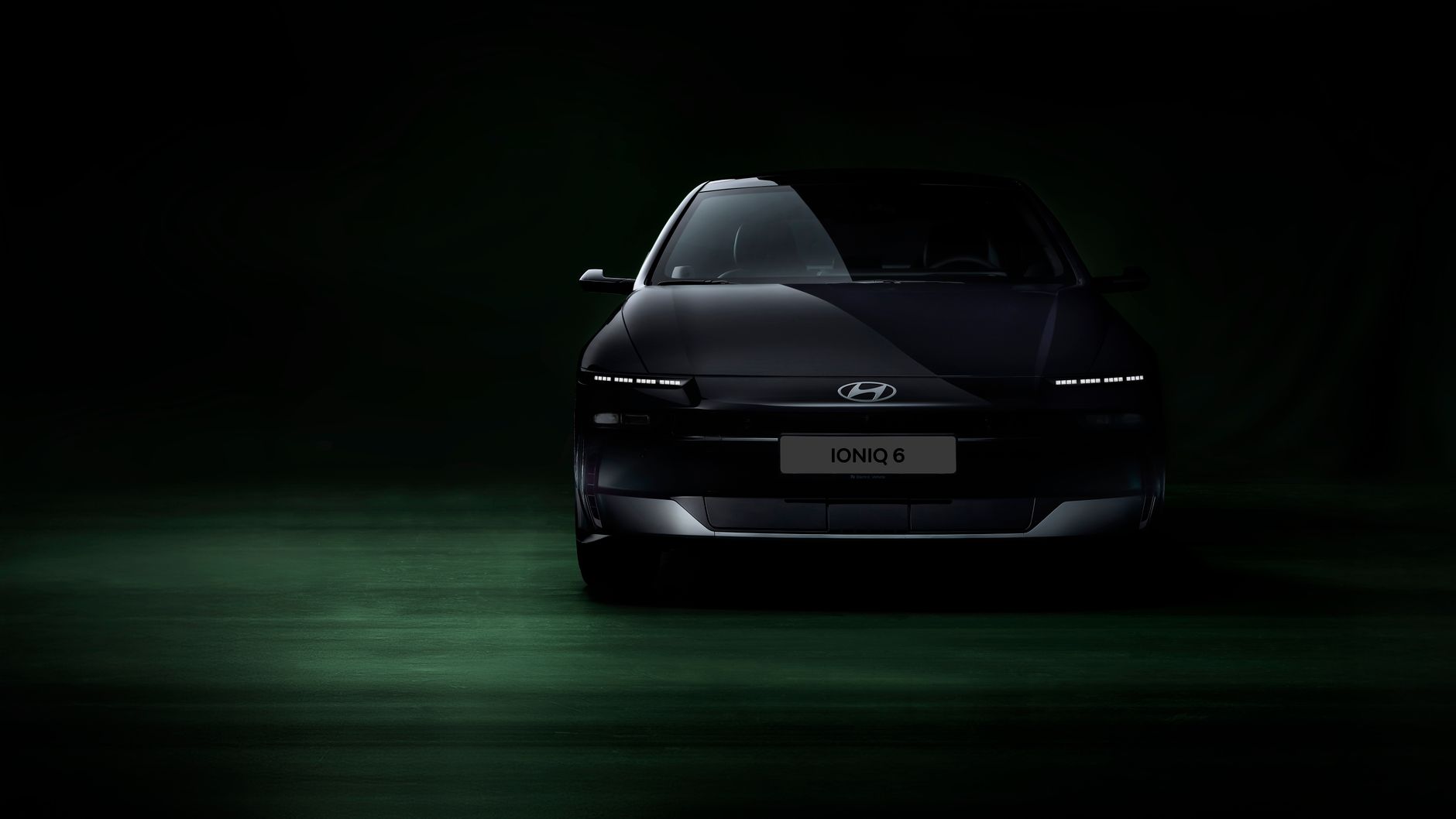
In addition to the Bayon, Hyundai has confirmed plans to introduce a new electric SUV in India by 2027. This upcoming EV is expected to be built on a dedicated electric platform, offering a driving range of over 450 kilometres on a single charge. The company aims to leverage its global expertise in electrification to bring a competitive product that addresses the growing demand for zero-emission vehicles in India. As part of its commitment to sustainable mobility, Hyundai is also expanding its charging infrastructure network across the country, making it easier for customers to adopt electric vehicles.
Industry analysts believe that the Bayon's launch timing, just ahead of the festive season, is a strategic move to capitalize on the traditional surge in car sales during Diwali. The festive period typically accounts for a significant portion of annual sales, and Hyundai is keen to make the most of this opportunity. With the Bayon, the company aims to offer a compelling package that combines design, technology, and value, which could help it gain a strong foothold in the segment.
According to recent industry data, the compact SUV segment in India has been growing at a robust pace, with monthly sales figures consistently crossing the 50,000-unit mark. This growth is driven by factors such as increasing disposable incomes, changing consumer preferences, and a shift towards more versatile and practical vehicles. The Bayon is expected to benefit from this trend, and Hyundai has set an ambitious sales target of 5,000 units per month for the model.
Here is a quick overview of the expected specifications and features of the Hyundai Bayon:
| Feature | Specification |
|---|---|
| Engine | 1.0-litre turbo petrol |
| Power | 118 bhp |
| Torque | 172 Nm |
| Transmission | 6-speed manual / 7-speed DCT |
| Mileage | 18-20 km/l (estimated) |
| Safety | 6 airbags, ABS, ESC |
| Infotainment | 10.25-inch touchscreen |
With the Bayon, Hyundai is aiming to capture a significant share of the compact SUV market by offering a product that stands out in terms of design and features. The festive season launch is expected to give the model a strong start in showrooms across the country.
While Hyundai has not officially announced the pricing, analysts predict that the Bayon will be competitively priced in the range of ₹8 lakh to ₹12 lakh (ex-showroom). This positioning would place it in direct competition with other popular compact SUVs, and Hyundai's extensive dealership network is expected to give it an edge in terms of reach and after-sales service. The company is also likely to offer attractive introductory offers and financing schemes to entice buyers during the festive period.
Looking ahead, the introduction of the new electric SUV in 2027 signals Hyundai's long-term commitment to electrification in India. The company has already invested heavily in local manufacturing and is working on developing a robust supply chain for EV components. With the government's push towards electric mobility and increasing consumer awareness about environmental issues, the timing of this launch seems well-aligned with market trends.
For now, all eyes are on the Bayon's launch, which is expected to be a key highlight of Hyundai's festive season campaign. With its blend of style, technology, and practicality, the Bayon has the potential to become a popular choice among Indian car buyers. To stay updated on the latest developments and detailed reviews, visit autoverse.cc for comprehensive coverage.