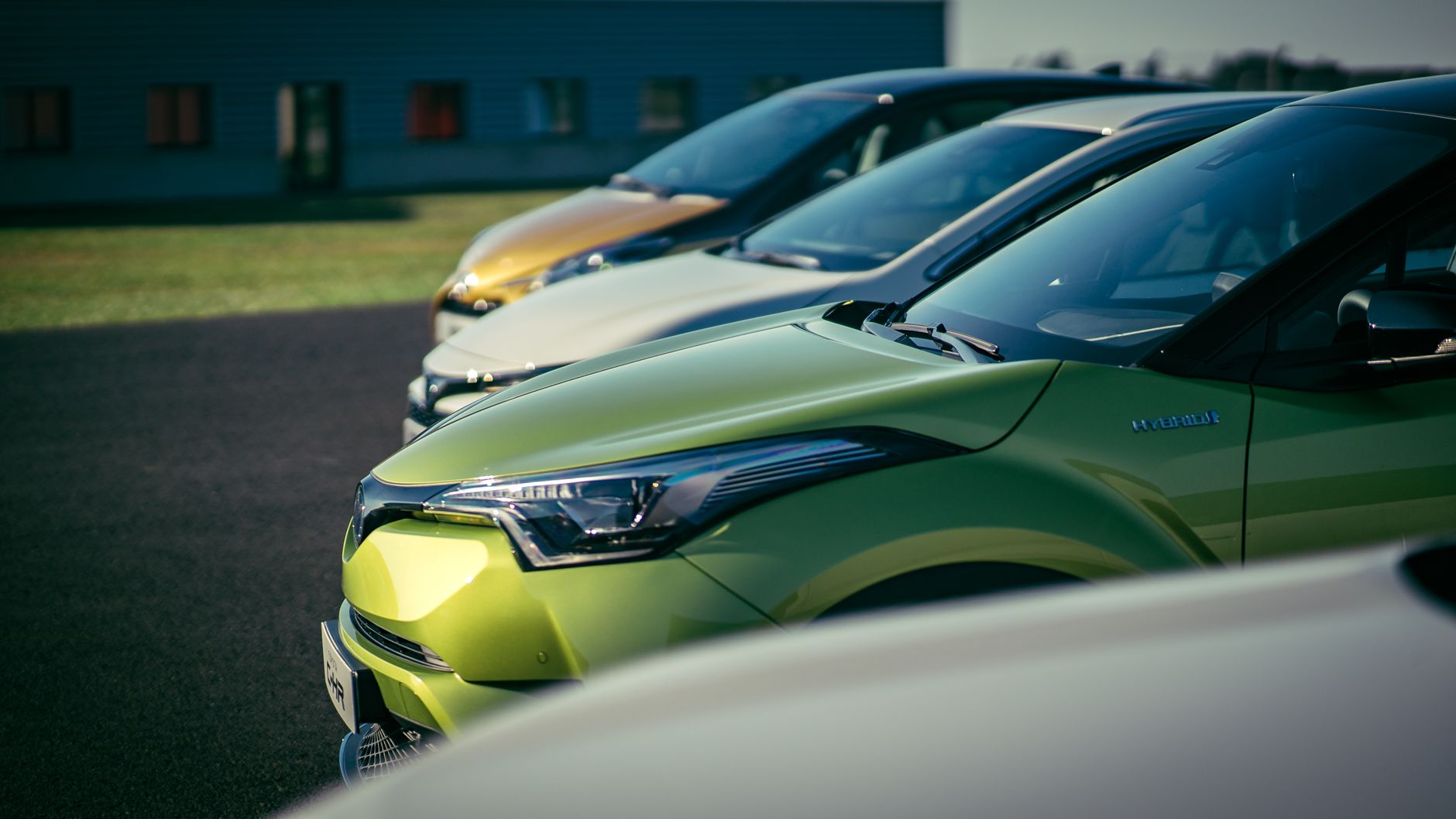
Hybrid Car Sales August 2026: Toyota 80% Share, India Segment Down 19%
India's hybrid car segment witnessed a sharp contraction in August 2026, with total sales declining 19% year-on-year (YoY). The fall underscores a broader slowdown in demand for strong-hybrid passenger vehicles even as automakers continue to expand their electrified line-ups. According to data collated by Autopunditz, Toyota Kirloskar Motor retained an overwhelming dominance in the space, commanding more than 80% share of the hybrid market during the month. The company's early mover advantage in strong-hybrid technology, led by models such as the Innova Hycross and Urban Cruiser Hyryder, has kept rivals at bay despite the overall segment shrinking. Analysts say the decline reflects a mix of factors, including a high base from the previous year, shifting consumer preference towards electric vehicles (EVs) in certain price brackets, and the withdrawal of some state-level incentives that had previously made hybrids more attractive. The segment's performance is being closely watched as several carmakers prepare to launch new hybrid offerings in the coming months.
| Metric | August 2026 | YoY Change |
|---|---|---|
| Total hybrid car sales | Declined | -19% |
| Toyota share of hybrid segment | Over 80% | Dominant |
The data highlights a striking paradox: while the overall hybrid pie is shrinking, Toyota's grip on it remains tighter than ever. The Japanese automaker's share of over 80% means that for every ten hybrid cars sold in India in August 2026, more than eight carried a Toyota badge. This level of concentration is unusual in the Indian passenger vehicle market, where most segments see at least three or four strong competitors. Toyota's hybrid portfolio in India includes the Innova Hycross, Urban Cruiser Hyryder, and the Camry sedan, all of which use strong-hybrid technology that does not require external charging. The company has consistently positioned hybrids as a practical bridge between conventional petrol/diesel vehicles and fully electric cars, appealing to buyers who want better fuel efficiency without range anxiety. However, the 19% YoY decline in the segment suggests that this pitch is facing headwinds. Industry observers point out that the narrowing price gap between hybrids and EVs, coupled with a wider choice of electric models, may be prompting some customers to skip hybrids altogether. Additionally, the withdrawal of certain state government incentives for hybrids in key markets has raised the effective cost of ownership, analysts say.
The hybrid segment's 19% YoY decline in August 2026, despite Toyota's over 80% share, signals that the technology's growth story in India is entering a more challenging phase.
For Toyota, the challenge is twofold. First, it must arrest the segment's decline to keep its hybrid volumes meaningful. Second, it needs to defend its share against upcoming launches from rivals such as Maruti Suzuki, Honda, and Hyundai, all of which have announced plans to bring more hybrid models to India. Maruti Suzuki, in particular, is expected to leverage its partnership with Toyota to introduce hybrid variants of its popular models, which could eat into Toyota's dominance over time. On the positive side, the decline in August 2026 may be a temporary blip rather than a structural downturn. The festive season in India typically sees a surge in vehicle purchases, and hybrid models could benefit from renewed consumer interest in the coming months. Moreover, the government's push for lower-emission vehicles continues to favour hybrids in the near term, especially in the absence of a widespread charging infrastructure for EVs. Analysts say that while the long-term trajectory for hybrids in India remains uncertain, Toyota's entrenched position gives it a significant cushion. The company's ability to localise production and offer competitive pricing will be critical in retaining its lead. For now, the August 2026 numbers paint a picture of a segment in retreat, but one where a single player still calls the shots. Whether that dynamic holds through the rest of the year will depend on new launches, incentive policies, and evolving consumer preferences.
For more automotive sales analysis, industry trends, and expert commentary, visit Autoverse.cc — your trusted source for India's auto market insights.