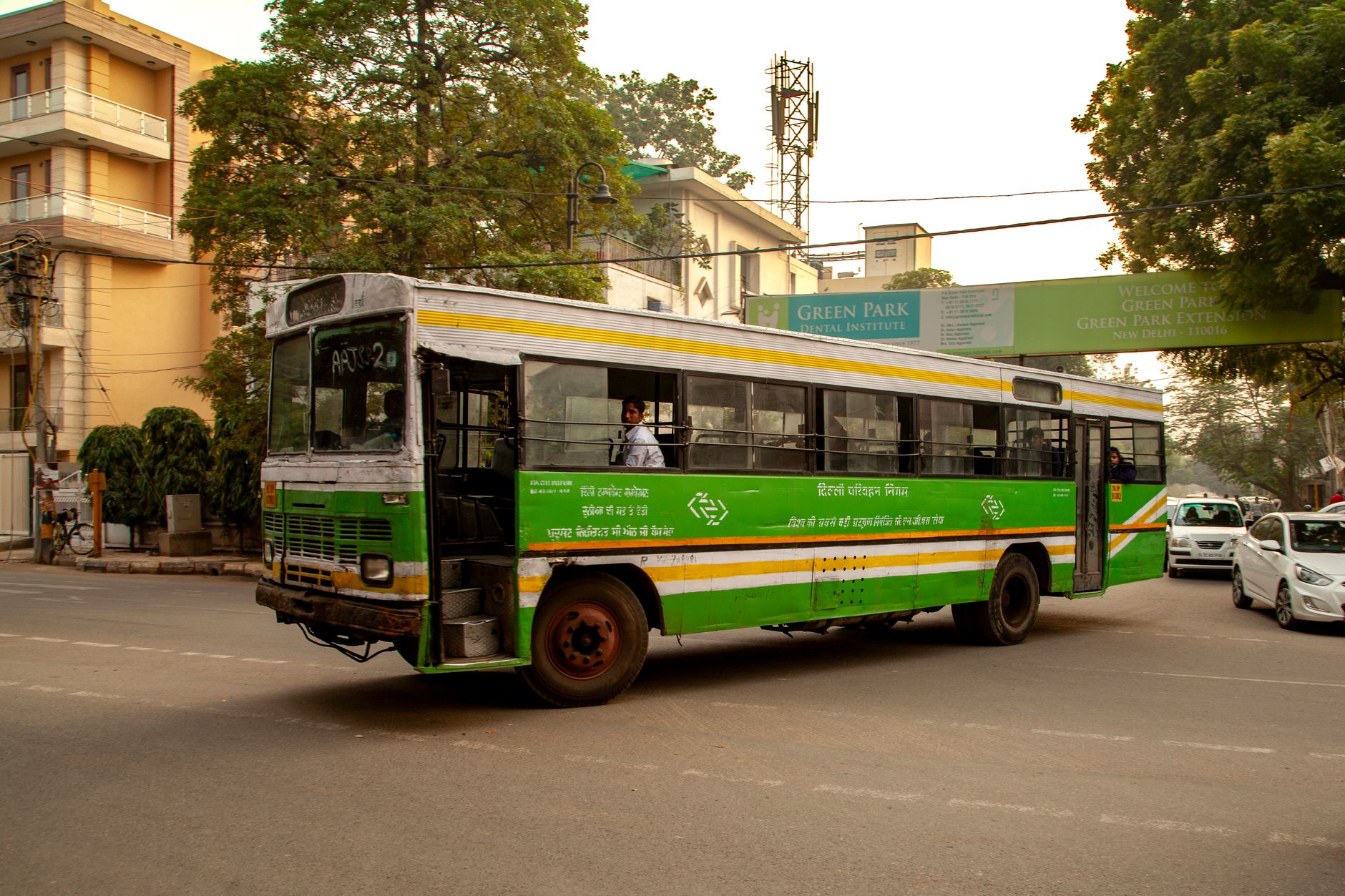
Delhi Gets 5,500+ EV Incentive Applications Under New Policy
Delhi's push to accelerate electric vehicle adoption has crossed a significant milestone, with the city government receiving more than 5,500 applications for incentives under its newly introduced EV policy. The figure, reported by Business Standard, underscores the growing appetite for electric mobility in India's capital, where air quality concerns and rising fuel costs have made the case for cleaner transport increasingly urgent. The applications cover a range of vehicle categories and incentive structures, suggesting that demand is not confined to a single segment of the market.
The volume of applications matters for several reasons. First, it indicates that the policy's design — combining purchase incentives with other support measures — is reaching buyers who might otherwise have hesitated to switch to electric. Second, it provides the Delhi government with real-world data on which vehicle segments are gaining traction and where infrastructure gaps remain. Third, it signals to manufacturers and charging-network operators that Delhi is a market worth prioritising. Analysts say that early application numbers are often a reliable leading indicator of how quickly a policy will translate into on-road vehicles.
Analysts say that the response to Delhi's EV incentive scheme reflects a broader shift in buyer sentiment, where total cost of ownership and access to charging are increasingly weighed alongside upfront price.
To put the 5,500-plus figure in context, it is worth looking at how the applications break down across key parameters. The table below summarises the headline numbers available from the source, along with the broader policy context. While the source does not provide a full category-wise split, the aggregate figure alone is substantial for a city-level incentive programme that is still in its early phase.
| Parameter | Figure |
|---|---|
| Total applications received | Over 5,500 |
| Policy | Delhi EV policy incentives |
| Reporting source | Business Standard |
| Location | Delhi, India |
For buyers, the practical question is what these numbers mean for the availability of incentives and the speed of processing. A high volume of applications can strain administrative capacity, potentially lengthening verification and disbursement timelines. It can also prompt authorities to refine eligibility criteria or allocate additional funds. Analysts say that well-run incentive programmes typically publish processing timelines and status updates, which helps maintain buyer confidence. Delhi's ability to handle the current load efficiently will be closely watched, as other Indian states consider similar schemes.
From a market perspective, the 5,500-plus applications reinforce the view that India's EV transition is no longer confined to a niche. Two- and three-wheelers have led the way in many cities, but the Delhi numbers suggest that a broader set of buyers is engaging with the policy framework. Charging infrastructure, battery costs, and financing options remain the key variables. Where these improve, application volumes are likely to follow. Where they lag, even generous incentives can struggle to convert interest into purchases.
It is also worth noting what the source does not say. The Business Standard report does not provide a category-wise breakdown, nor does it specify the total incentive outlay or the number of vehicles actually delivered. Readers should therefore treat the 5,500-plus figure as a demand-side signal rather than a measure of completed transactions. For a fuller picture, one would need data on approval rates, disbursement timelines, and the mix of vehicle types involved.
Looking ahead, the Delhi government's next steps will be decisive. If the application-to-approval pipeline is smooth, the scheme could become a template for other urban centres in India. If bottlenecks emerge, the momentum could stall. Either way, the 5,500-plus applications mark a clear starting point — and a reminder that policy design, administrative capacity, and market readiness must move together for electric mobility to scale.
For more insights on India's EV policies, market trends, and buyer guides, visit AutoVerse.