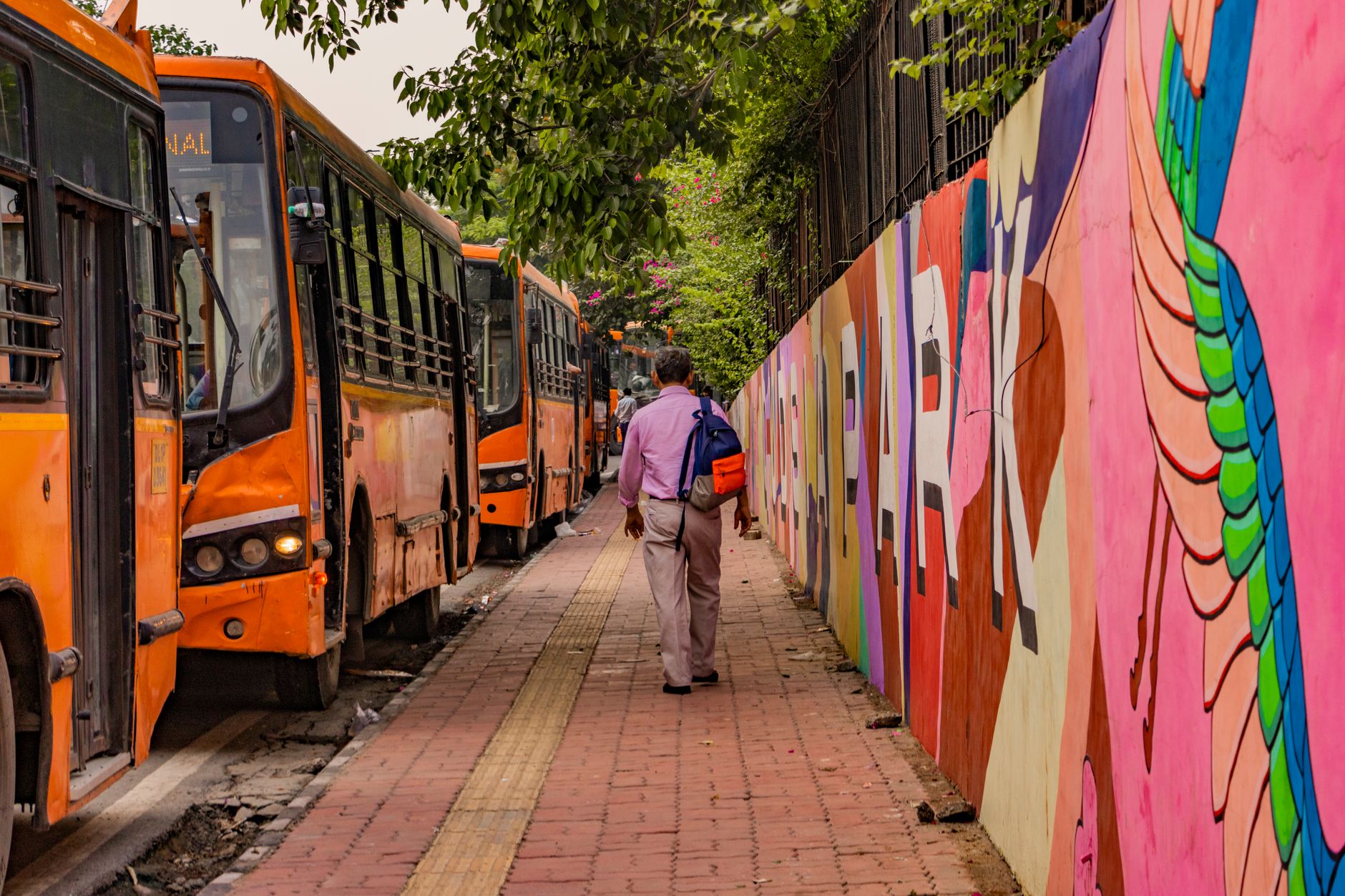
Delhi Adds 150 Electric Buses, 5 EV Charging Stations
The Delhi government is set to dedicate 150 new electric buses to its public transport fleet while simultaneously inaugurating five public electric vehicle (EV) charging stations across the national capital. The twin initiative, reported by India Gazette, marks another significant step in India's ongoing transition towards sustainable urban mobility. The addition of 150 electric buses is expected to strengthen Delhi's position as one of the leading Indian cities in adopting zero-emission public transport, while the five new charging stations aim to address the persistent concern of charging infrastructure availability for private EV owners.
Electric buses have become a cornerstone of Delhi's strategy to curb vehicular pollution, which remains a major environmental and public health challenge in the city. By dedicating 150 new electric buses, the government is not only expanding the fleet but also reinforcing its commitment to reducing carbon emissions from the transport sector. These buses are typically deployed on high-density routes, where the environmental benefits are most pronounced. Analysts say that scaling up electric bus fleets can significantly lower operating costs over time, as electricity is cheaper per kilometre than diesel, and maintenance requirements for electric drivetrains are generally lower due to fewer moving parts.
The inauguration of five public EV charging stations is equally important. A robust and accessible charging network is widely regarded as a prerequisite for accelerating private EV adoption. Range anxiety—the fear that a vehicle will run out of charge before reaching a charging point—remains a key barrier for many potential buyers. By adding five public stations, the Delhi government is taking a tangible step to alleviate this concern. These stations are expected to serve a mix of two-wheelers, three-wheelers, and four-wheelers, depending on the installed capacity and connector types. Analysts say that the strategic placement of charging stations near residential clusters, commercial hubs, and metro stations can maximise their utilisation and encourage more people to consider electric vehicles.
| Initiative | Number | Significance |
|---|---|---|
| New electric buses dedicated | 150 | Expands zero-emission public transport fleet |
| Public EV charging stations inaugurated | 5 | Improves charging access for private EV users |
Analysts say that combining electric bus fleet expansion with public charging infrastructure creates a mutually reinforcing ecosystem that can accelerate EV adoption across both public and private segments.
The timing of this announcement is notable, as it aligns with broader national and state-level efforts to promote electric mobility. India has set ambitious targets for EV penetration, and cities like Delhi are expected to lead the charge. The Delhi government's focus on electric buses is particularly impactful because public transport buses cover long distances daily and operate for many hours, meaning each electric bus displaces a substantial amount of diesel consumption and tailpipe emissions. Over a year, 150 electric buses can collectively avoid a significant volume of pollutants, contributing to cleaner air. While the exact emission savings depend on factors such as route length, daily operation hours, and the emissions intensity of the electricity grid, the directional benefit is clear.
For private EV owners, the five new charging stations represent a welcome addition, but analysts also note that the ratio of charging points to electric vehicles remains a critical metric. As EV sales grow, the charging network must expand at a comparable pace to prevent bottlenecks. The Delhi government's move to inaugurate five stations is a step in the right direction, and further scaling will be essential. Public charging stations also need to be reliable, well-maintained, and interoperable with different vehicle models and payment systems to be truly effective. Analysts say that user experience at charging stations strongly influences whether first-time EV buyers become repeat customers and advocates for electric mobility.
From an economic perspective, the shift towards electric buses and expanded charging infrastructure can stimulate local green jobs—in manufacturing, installation, maintenance, and charging station operations. It can also reduce India's dependence on imported crude oil, improving energy security. For Delhi, which frequently experiences poor air quality, these initiatives carry additional urgency. The combination of 150 new electric buses and five public EV charging stations is a clear signal that the city intends to keep pushing towards a cleaner transport future. Stakeholders across the automotive and energy sectors will be watching closely to see how quickly the benefits materialise and whether further commitments follow.
For more in-depth coverage of electric vehicles, charging infrastructure, and sustainable mobility trends in India and beyond, visit Autoverse.