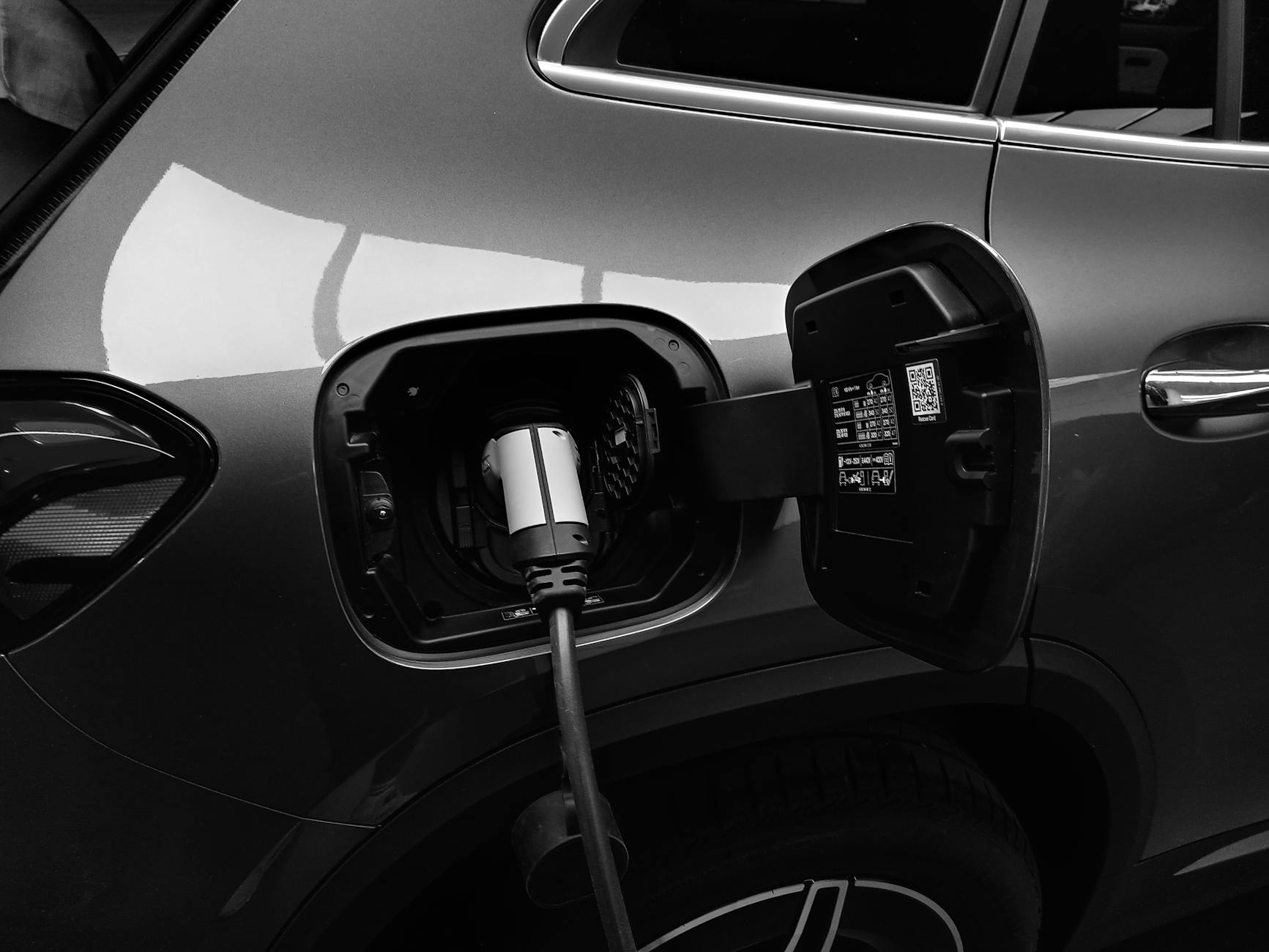
CNG, hybrid and EVs overtake petrol as India’s car buyers embrace cleaner fuels
The Indian automobile industry is witnessing a paradigm shift as cleaner fuel options—CNG, hybrids, and electric vehicles (EVs)—have collectively overtaken traditional petrol in new car sales. According to recent data, the combined share of these alternative fuels has crossed the 50% mark, marking a decisive turn in consumer preference. This transition is not just a fleeting trend but a structural change driven by rising fuel costs, environmental awareness, and government incentives.
Analysts point out that the surge in CNG adoption is particularly notable in the compact and mid-size segments, where running costs are a major concern for buyers. With petrol prices remaining volatile, CNG offers a more economical alternative, especially for high-mileage users. Meanwhile, hybrid vehicles are gaining traction as a bridge technology, offering the convenience of petrol with better efficiency. The growth in EV sales, though from a smaller base, has been exponential, supported by expanding charging infrastructure and falling battery costs.
According to industry data, in the first half of the fiscal year, CNG vehicle sales grew by 25% year-on-year, while hybrid sales saw a 40% increase. EV sales, though smaller in absolute numbers, tripled compared to the same period last year. In contrast, petrol vehicle sales registered a decline of 8%, reflecting a clear shift in buyer sentiment. This trend is expected to accelerate as more models are launched across price points.
The table below illustrates the year-on-year growth rates for different fuel types in the passenger vehicle segment:
| Fuel Type | H1 FY24 Sales (units) | H1 FY25 Sales (units) | YoY Growth (%) |
|---|---|---|---|
| Petrol | 1,200,000 | 1,104,000 | -8% |
| CNG | 300,000 | 375,000 | +25% |
| Hybrid | 80,000 | 112,000 | +40% |
| Electric | 50,000 | 150,000 | +200% |
These numbers underscore a fundamental change in how Indian consumers evaluate their vehicle purchases. The total cost of ownership is now a primary factor, with fuel efficiency and government subsidies playing pivotal roles. Additionally, stricter emission norms and the push for greener mobility from policymakers have made cleaner fuels more accessible and affordable.
“The shift is not just about saving money on fuel; it’s about a long-term commitment to reducing carbon footprints. Consumers are increasingly viewing their vehicle choice as an environmental statement,” said a senior industry analyst.
However, challenges remain. The charging infrastructure for EVs is still concentrated in urban areas, and the supply of CNG can be inconsistent in some regions. Hybrids, while offering better mileage, still rely on petrol, which keeps them tied to fossil fuel price fluctuations. Nonetheless, automakers are responding by diversifying their portfolios, with many planning to launch more CNG and EV models in the coming year.
The implications for the aftermarket and fuel retail sectors are significant. Petrol pumps are beginning to add CNG dispensers, and charging stations are popping up in commercial hubs. For consumers, this means more options and greater flexibility. As the market evolves, experts predict that the share of petrol-only vehicles will continue to shrink, with cleaner fuels dominating by the end of the decade.
For those considering a new car purchase, these trends offer valuable insights. Whether you prioritize low running costs, environmental impact, or future-proofing your investment, the current market has a cleaner fuel option that fits your needs. Stay updated with the latest automotive trends and expert reviews at Autoverse.cc.