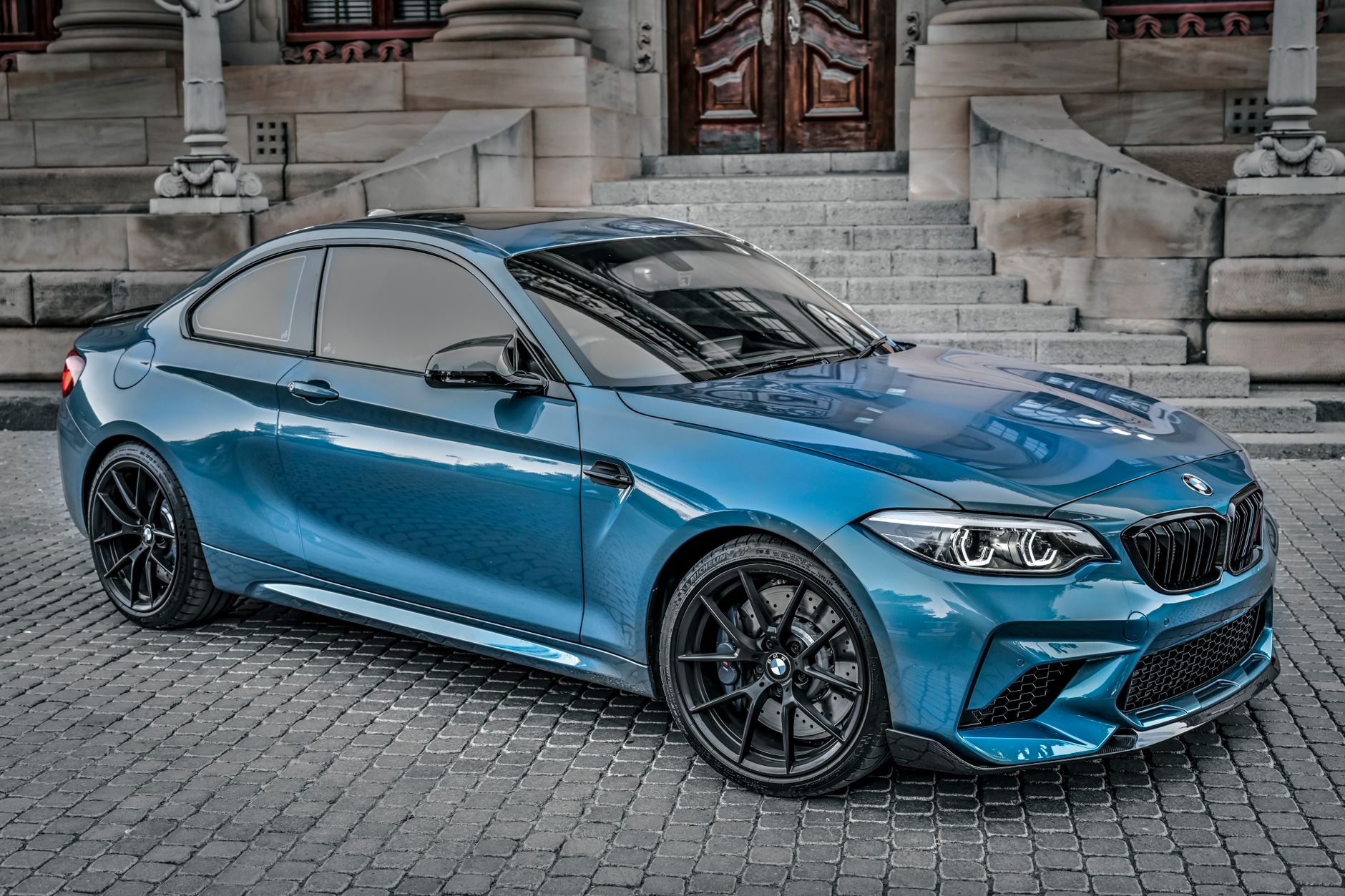
BMW unveils its first India-made EV sedan car - DT Next
BMW has officially unveiled its first India-made electric sedan, marking a significant milestone in the country's electric vehicle (EV) journey. The announcement, reported by DT Next, highlights the automaker's commitment to the 'Make in India' initiative and its strategy to capture a larger share of the growing premium EV market. While specific pricing and detailed specifications were not disclosed in the initial report, industry analysts suggest this move could reshape competitive dynamics in the segment.
The new sedan is expected to be manufactured at BMW's Chennai plant, which has been operational for over a decade. This local production is likely to reduce costs by avoiding hefty import duties, potentially making the EV more affordable for Indian consumers. According to recent data from the Society of Indian Automobile Manufacturers (SIAM), EV sales in India grew by 137% in the last fiscal year, though they still represent only about 2% of total passenger vehicle sales. Analysts believe that BMW's entry into local EV production could accelerate adoption among luxury buyers.
The Indian government's Faster Adoption and Manufacturing of Hybrid and Electric Vehicles (FAME) scheme, along with state-level incentives, has been a key driver for EV adoption. However, luxury EVs have faced challenges due to high battery costs and limited charging infrastructure. BMW's decision to localize production is seen as a strategic response to these hurdles. "Local assembly allows BMW to price its EV more competitively while also meeting the government's phased manufacturing programme requirements," said a senior industry analyst. The company has not yet revealed the battery capacity or range of the new sedan, but earlier reports suggested it could be based on the BMW i4 platform.
The launch comes at a time when competitors like Mercedes-Benz and Audi are also expanding their EV portfolios in India. Mercedes had earlier introduced the EQS locally, while Audi has announced plans to bring more e-tron models. According to data from JATO Dynamics, the luxury EV segment grew by 210% in the first half of this year, albeit from a small base. BMW's new model is expected to compete directly with the Mercedes EQS and Audi e-tron GT, though pricing will be crucial.
| Key Metrics | Value |
|---|---|
| EV sales growth (YoY) | 137% |
| EV share of total passenger vehicle sales | ~2% |
| Luxury EV segment growth (H1) | 210% |
| BMW manufacturing location | Chennai, India |
"Local assembly allows BMW to price its EV more competitively while also meeting the government's phased manufacturing programme requirements." – Senior industry analyst
Beyond the immediate product, this launch signals a broader shift in BMW's India strategy. The company has invested significantly in expanding its local R&D and production capabilities, with a focus on electric mobility. Experts suggest that by 2030, EVs could account for up to 30% of premium car sales in India, driven by government policies and increasing consumer awareness. BMW's early move could help it establish a loyal customer base in this nascent segment.
However, challenges remain. The lack of a robust charging network, especially outside metro cities, continues to deter potential buyers. Additionally, high import duties on battery packs, which are not yet manufactured locally, could impact profitability. Despite these hurdles, BMW's commitment to local production is a positive sign for the Indian EV ecosystem. As the company prepares to roll out the sedan in the coming months, all eyes will be on its pricing strategy and after-sales support.
For those interested in the latest developments in the automotive world, especially around EVs, Autoverse.cc offers comprehensive coverage. Stay tuned for updates on BMW's India-made EV sedan, including test drives, pricing, and availability. Explore more at Autoverse.cc.