Beyond Price: What Will Drive Mass EV Adoption in India
Electric vehicle (EV) adoption in India is often framed as a simple question of price parity with internal combustion engine (ICE) vehicles. However, industry analysts say the road to mass adoption is far more complex. While upfront cost remains a significant barrier, factors such as charging infrastructure, battery technology, financing options, and government policy will ultimately determine whether EVs move from niche to mainstream. In October 2026, the conversation has shifted from mere sticker price to a holistic ecosystem that must support millions of electric vehicles.
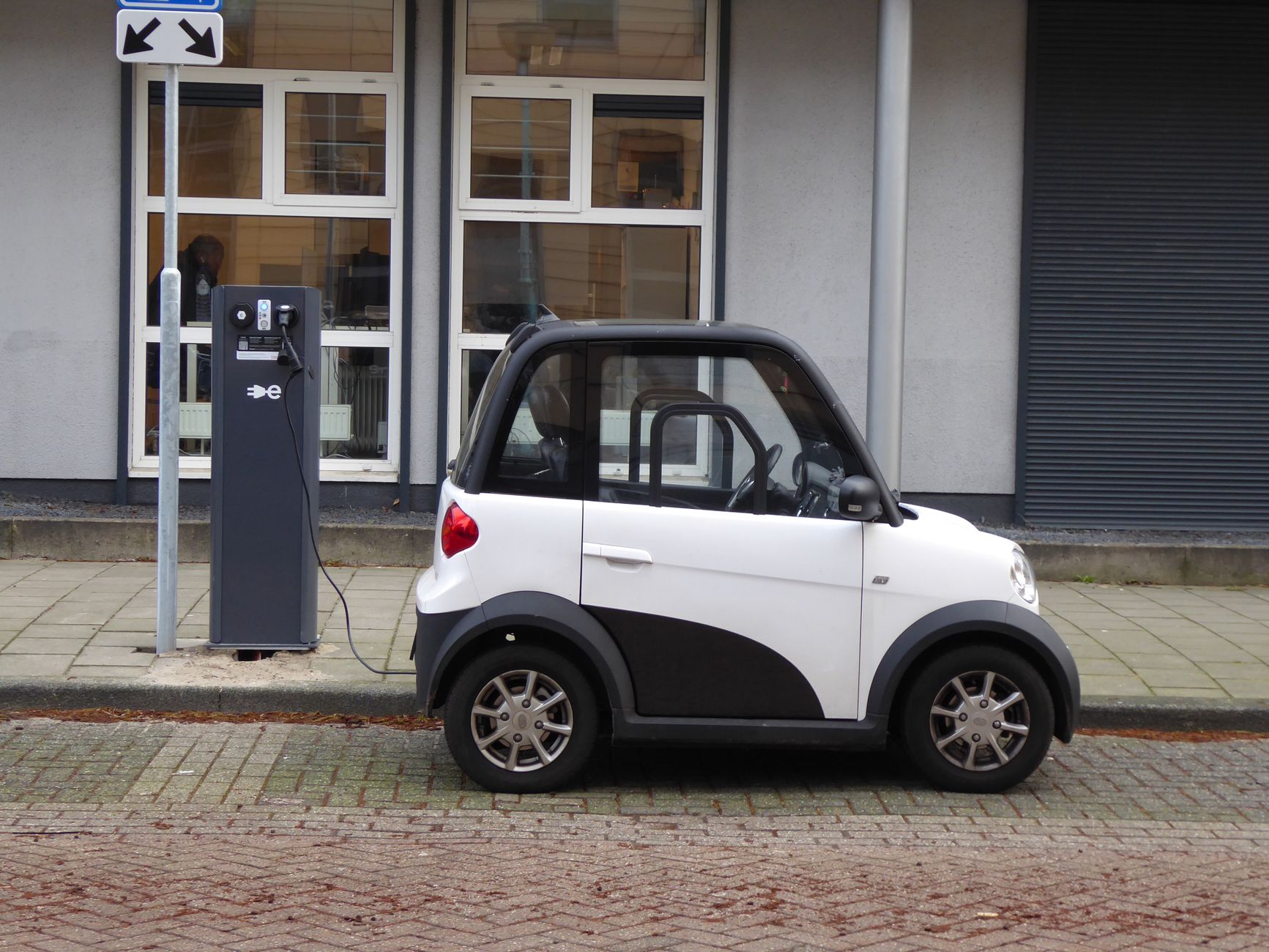
Charging infrastructure is perhaps the most critical enabler. According to industry data, India had approximately 12,000 public charging stations as of early 2025, a fraction of what is needed to support the government’s target of 30% EV sales by 2030. Analysts say that without a dense, reliable, and interoperable charging network, range anxiety will continue to deter buyers, especially those without access to private parking. The challenge is not just quantity but distribution—urban centres have seen more installations, while highways and rural areas lag. Addressing this gap requires coordinated efforts from utilities, oil companies, and private players.
Battery costs have been falling globally, but India’s dependence on imported cells keeps prices volatile. The source indicates that battery packs account for nearly 40% of an EV’s total cost. Localisation of battery manufacturing, driven by production-linked incentive (PLI) schemes, is expected to reduce costs over time. However, analysts caution that scaling up domestic production will take years. Until then, EV prices will remain higher than comparable ICE models, making financing schemes and total cost of ownership calculations crucial for buyers.
Government policy has been a mixed bag. While subsidies under the Faster Adoption and Manufacturing of Electric Vehicles (FAME) scheme have helped early adopters, the focus is shifting to demand-side incentives and charging infrastructure. State-level policies vary widely, creating an uneven playing field. Analysts say that a stable, long-term policy framework is needed to instil confidence among manufacturers and consumers alike. The table below summarises key challenges and enablers for EV adoption in India.
| Factor | Challenge | Enabler |
|---|---|---|
| Charging Infrastructure | Only ~12,000 public stations (early 2025); range anxiety | PLI for charging; private investment; interoperability standards |
| Battery Cost | ~40% of EV cost; import dependence | Local cell manufacturing; falling global prices; PLI |
| Financing | Higher upfront cost; limited loan options | Green financing; lower interest rates; leasing models |
| Policy Support | Inconsistent state incentives; subsidy phase-out | Stable national policy; demand incentives; tax benefits |
“The transition to electric mobility is not just about selling cars; it is about building an ecosystem that makes electric vehicles a practical choice for every Indian.”
Beyond hardware, consumer awareness and trust play a vital role. Many potential buyers are unaware of the lower running costs of EVs—often one-fourth of petrol or diesel costs per kilometre. Analysts say that targeted education campaigns and hands-on experiences, such as test drives and ride-and-drive events, can bridge this gap. Additionally, the used EV market is nascent, which affects resale value and overall cost of ownership. Developing a robust secondary market will require standardised battery health assessments and warranties.
Another often-overlooked factor is grid readiness. As EV penetration grows, electricity demand will surge, particularly during peak hours. Smart charging solutions, time-of-use tariffs, and renewable energy integration can mitigate stress on the grid. Analysts say that without parallel investments in grid infrastructure, mass adoption could strain the power system. Furthermore, the environmental benefits of EVs are only as clean as the electricity that charges them, making the shift to renewables a complementary goal.
In conclusion, price is just one piece of the puzzle. Mass adoption of EVs in India will hinge on a comprehensive strategy that addresses charging infrastructure, battery localisation, financing, policy stability, and consumer awareness. As October 2026 unfolds, stakeholders must collaborate to build an ecosystem that makes EVs accessible, reliable, and desirable for the average Indian buyer. For more insights on the future of mobility, visit Autoverse.cc.