Bajaj Auto's EV Push: Motorcycles & Chetak Expansion in India
Bajaj Auto, one of India's leading two-wheeler manufacturers, is deepening its commitment to electric vehicles (EVs) with ambitious plans that include new electric motorcycles and a significant expansion of its Chetak scooter lineup. This strategic move positions the company to capture a larger share of India's rapidly growing EV market, which is expected to see exponential growth in the coming years. The announcement comes at a time when the Indian government is aggressively pushing for electrification through subsidies and policy support, making it an opportune moment for Bajaj to scale its EV operations.
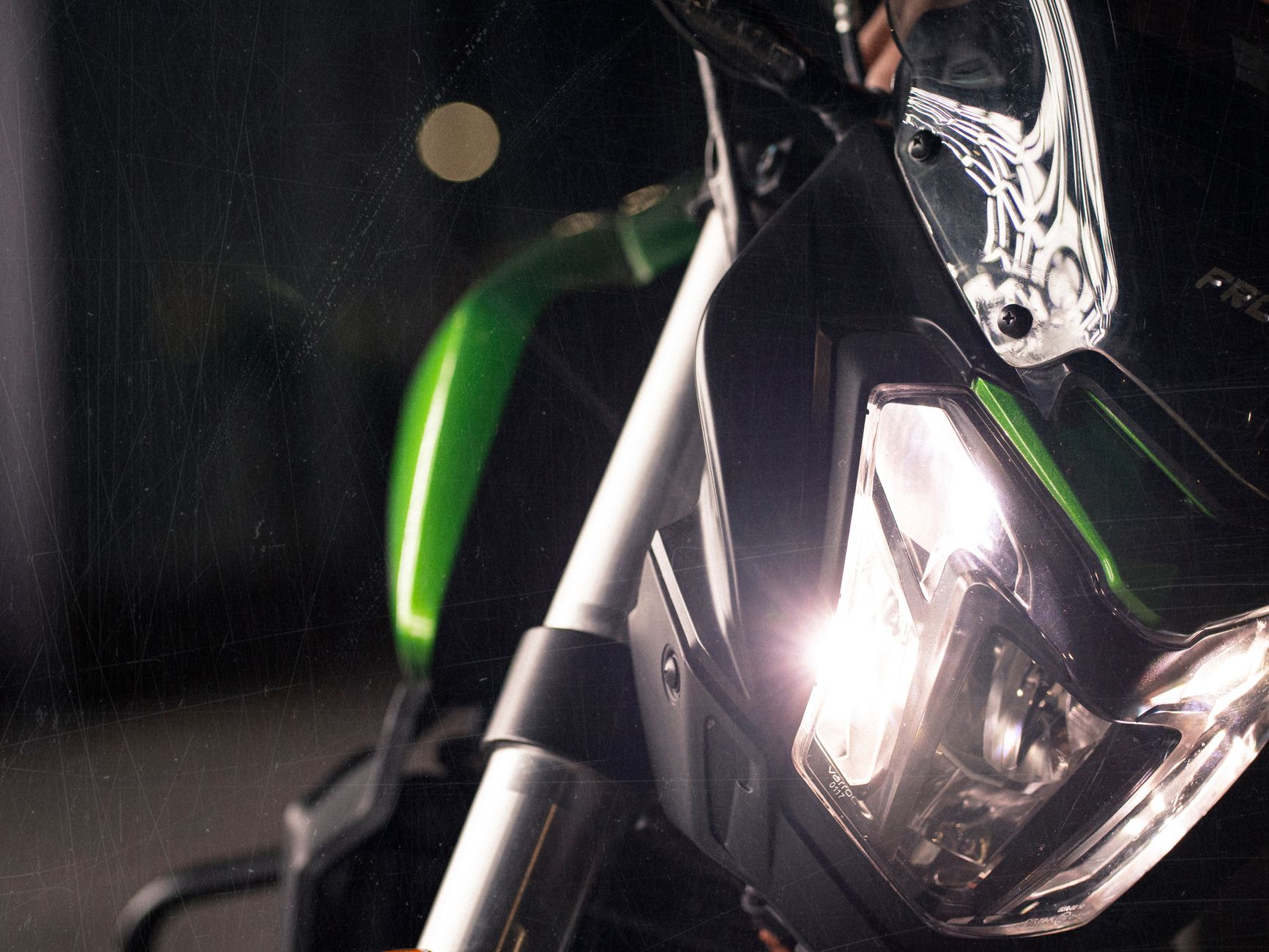
The company's flagship electric scooter, the Chetak, has already made a strong impression in the market, known for its retro design and reliable performance. With the planned expansion, Bajaj aims to introduce multiple variants of the Chetak to cater to different customer segments, including a more affordable version for budget-conscious buyers and a premium model with extended range and advanced features. Additionally, Bajaj is developing an electric motorcycle platform, which is expected to launch by mid-2026. This motorcycle will target both urban commuters and enthusiasts, leveraging Bajaj's expertise in performance biking from its partnership with KTM.
India's EV two-wheeler market is currently dominated by players like Ola Electric and Ather Energy, but Bajaj's established dealership network, brand trust, and manufacturing scale give it a distinct advantage. The company plans to ramp up production capacity at its Chakan plant to meet the anticipated demand, with a target of producing 100,000 electric units annually by the end of 2026. This expansion is part of Bajaj's broader strategy to invest ₹5,000 crore in EV research and development over the next five years, focusing on battery technology, powertrain efficiency, and charging infrastructure.
"India's two-wheeler EV market is at an inflection point, and Bajaj Auto is poised to lead this transformation with our deep engineering capabilities and customer-centric approach. Our goal is to make electric mobility accessible to every Indian." — Rajiv Bajaj, Managing Director, Bajaj Auto
As part of its expansion, Bajaj is also exploring partnerships with battery swapping startups to address range anxiety, a key barrier to EV adoption in India. The company is in talks with firms like Sun Mobility to set up swapping stations across major cities, which could significantly reduce charging time for users. Furthermore, Bajaj is investing in a dedicated EV sales network, separate from its traditional petrol vehicle showrooms, to provide a specialized customer experience. This move is expected to enhance brand perception and drive higher conversion rates among first-time EV buyers.
| Metric | Current Status (2025) | Target (2026) |
|---|---|---|
| Chetak Monthly Sales | 8,000 units | 15,000 units |
| EV Motorcycle Launch | Under development | Q3 2026 |
| Annual EV Production Capacity | 50,000 units | 100,000 units |
| Charging Stations (Partner Network) | 200 | 1,000 |
The Indian government's FAME III subsidy scheme, expected to roll out in late 2026, could further boost Bajaj's EV sales by reducing upfront costs for consumers. Bajaj is also working on a low-cost electric scooter priced under ₹1 lakh (approximately $1,200) to compete with entry-level petrol scooters, which could democratize EV access in tier 2 and tier 3 cities. With a robust product pipeline, strategic investments, and a focus on sustainability, Bajaj Auto is well-positioned to shape the future of electric mobility in India. For more insights and updates on India's EV revolution, visit Autoverse.