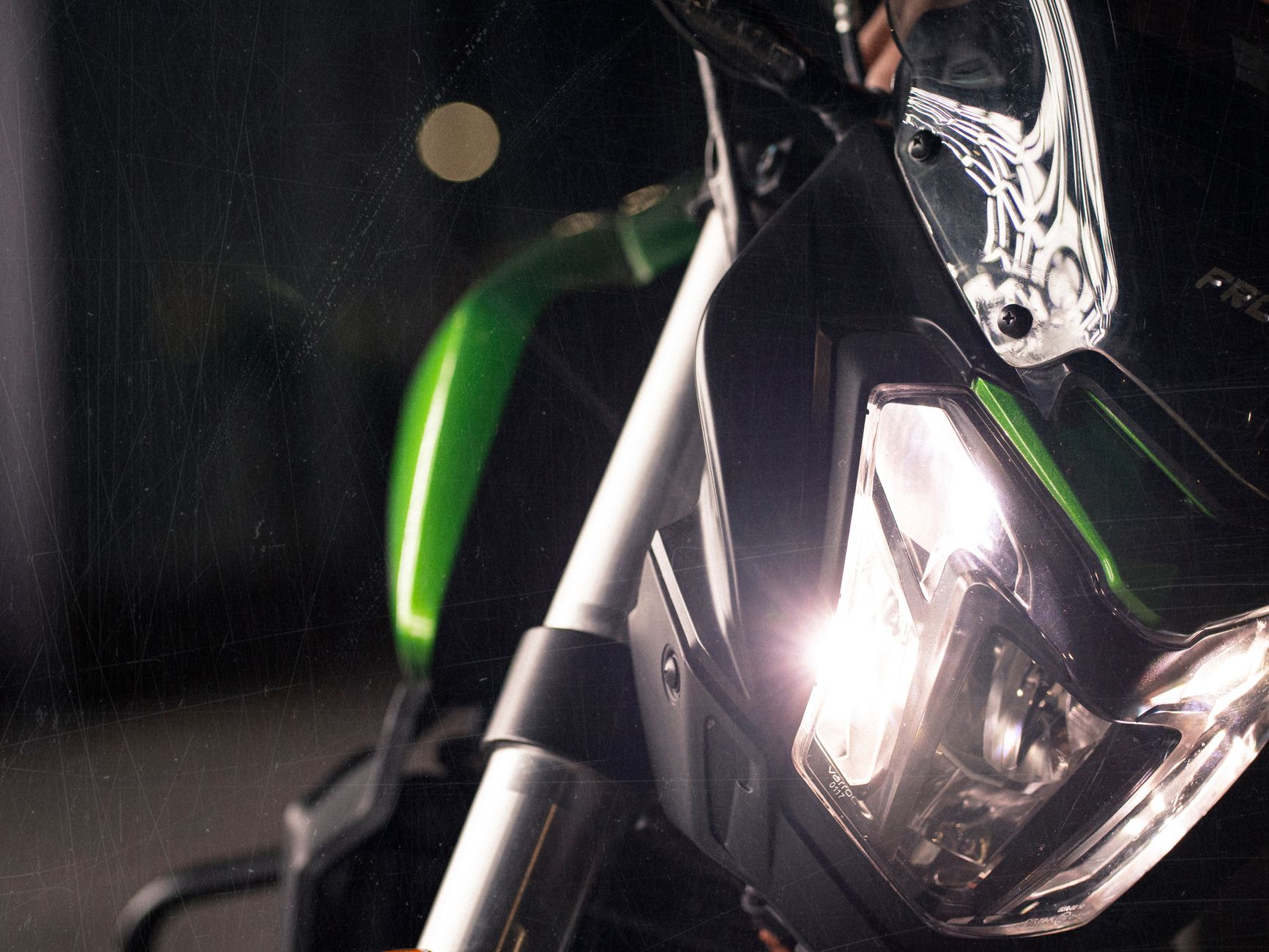
Bajaj Auto's EV Push in India: Chetak Expansion and Motorcycle Plans
Stat-callout: Bajaj Auto aims to sell 1 lakh electric units in FY26, with Chetak contributing over 60% of its EV revenue.
Bajaj Auto, one of India's leading two-wheeler manufacturers, is accelerating its electric vehicle (EV) strategy with ambitious plans for new motorcycles and an expanded Chetak scooter lineup. According to a recent Reuters report, the Pune-based company is investing heavily in EV technology to capture a larger share of India's rapidly growing electric two-wheeler market. This move comes as the Indian government pushes for cleaner mobility and consumers increasingly shift towards EVs.
Bajaj Auto's EV Strategy in India
Bajaj Auto has been a pioneer in the Indian automotive industry, from its iconic Chetak scooter in the 1970s to its recent foray into electric mobility. The company's renewed focus on EVs is part of a larger trend where traditional automakers are pivoting to electric. In FY26, Bajaj aims to sell over 1 lakh electric units, a significant jump from the 50,000 units sold in FY25. This growth is driven by the Chetak electric scooter, which has seen strong demand in cities like Mumbai, Delhi, Bengaluru, Pune, Hyderabad, and Ahmedabad.
The company is also developing electric motorcycles, targeting the commuter and performance segments. Bajaj's electric motorcycle is expected to compete with models from Ola Electric and Ather Energy, but with Bajaj's extensive service network and brand trust. The motorcycle will likely be priced between ₹1.2 lakh and ₹1.5 lakh (ex-showroom), making it accessible for Indian buyers.
Chetak Expansion: New Models and Features
Bajaj is expanding the Chetak lineup with new variants, including a more affordable model priced at ₹99,999 (ex-showroom) and a premium version with longer range. The Chetak currently offers a range of 95 km (ARAI certified) and a top speed of 70 km/h. The new models will feature improved battery technology, faster charging, and better connectivity. Bajaj is also working on a Chetak with a removable battery, which could be a game-changer for apartment dwellers in cities like Chennai and Kolkata.
| Model | Variant | Ex-showroom Price (₹) | Range (ARAI) | Battery Capacity | Top Speed |
|---|---|---|---|---|---|
| Bajaj Chetak | Urbane | ₹1,15,000 | 95 km | 2.9 kWh | 70 km/h |
| Bajaj Chetak | Premium | ₹1,35,000 | 120 km | 3.5 kWh | 75 km/h |
| Bajaj Chetak | Sport | ₹1,50,000 | 110 km | 3.2 kWh | 80 km/h |
| Bajaj Electric Motorcycle | Standard | ₹1,20,000 (expected) | 100 km | 3.0 kWh | 90 km/h |
Note: On-road prices will vary based on city, RTO charges, and insurance. Prices are indicative and subject to change.
Impact on Indian EV Market
Bajaj's deepened EV push is expected to intensify competition in the Indian EV market, which is currently dominated by Ola Electric and Ather Energy. With Bajaj's strong brand recall and service network, it could capture a significant share of the market. The company's focus on both scooters and motorcycles addresses different customer needs, from daily commuters to performance enthusiasts.
"Bajaj Auto's entry into the electric motorcycle segment is a significant development for the Indian EV industry. With its manufacturing expertise and distribution network, Bajaj is well-positioned to drive EV adoption in India, especially in tier-2 and tier-3 cities where charging infrastructure is still developing." — Auto industry analyst, Mumbai
Financial and Regulatory Context
Bajaj Auto's EV push aligns with the Indian government's FAME II and state-level EV policies. The company is also benefiting from the Production Linked Incentive (PLI) scheme for automotive components. In Q1 FY26, Bajaj Auto reported a 15% increase in net profit, driven by strong EV sales and export recovery. The company's stock has gained 20% on the BSE Sensex in the last six months, reflecting investor confidence in its EV strategy.
The company plans to invest ₹500 crore in EV R&D and manufacturing over the next two years. This includes setting up a dedicated EV plant in Pune with an annual capacity of 2 lakh units. Bajaj is also exploring battery swapping technology, which could reduce the upfront cost of EVs and address range anxiety.
Festive Season and Sales Push
Bajaj Auto is expected to launch its new Chetak variants and electric motorcycle during the Diwali festive season, a peak period for auto sales in India. The company is offering attractive financing options and exchange bonuses to boost sales. With the festive season contributing nearly 30% of annual two-wheeler sales, Bajaj's timing could give it a significant advantage.
Conclusion
Bajaj Auto's deepened EV push marks a new chapter in India's electric mobility story. With the Chetak expansion and upcoming electric motorcycles, the company is well-positioned to cater to the evolving needs of Indian consumers. As the EV market matures, Bajaj's focus on affordability, range, and service will be key to its success.
For the latest updates on Bajaj Auto and other EV manufacturers, visit AutoVerse.