5 New Hyundai Cars Coming to India Soon - EV & Hybrid
Hyundai is preparing a significant product offensive for the Indian market, with at least five new models expected to arrive in the coming years. The line-up will include a mix of electric vehicles (EVs) and hybrid cars, reflecting the company's global push towards electrification. For Indian buyers, this means more choices in the growing eco-friendly segment, with options that cater to different budgets and driving needs. The move is part of Hyundai's strategy to strengthen its position in India, where demand for cleaner vehicles is rising steadily. Analysts say that Hyundai's aggressive EV and hybrid plans could disrupt the market and push competitors to accelerate their own electrification roadmaps.
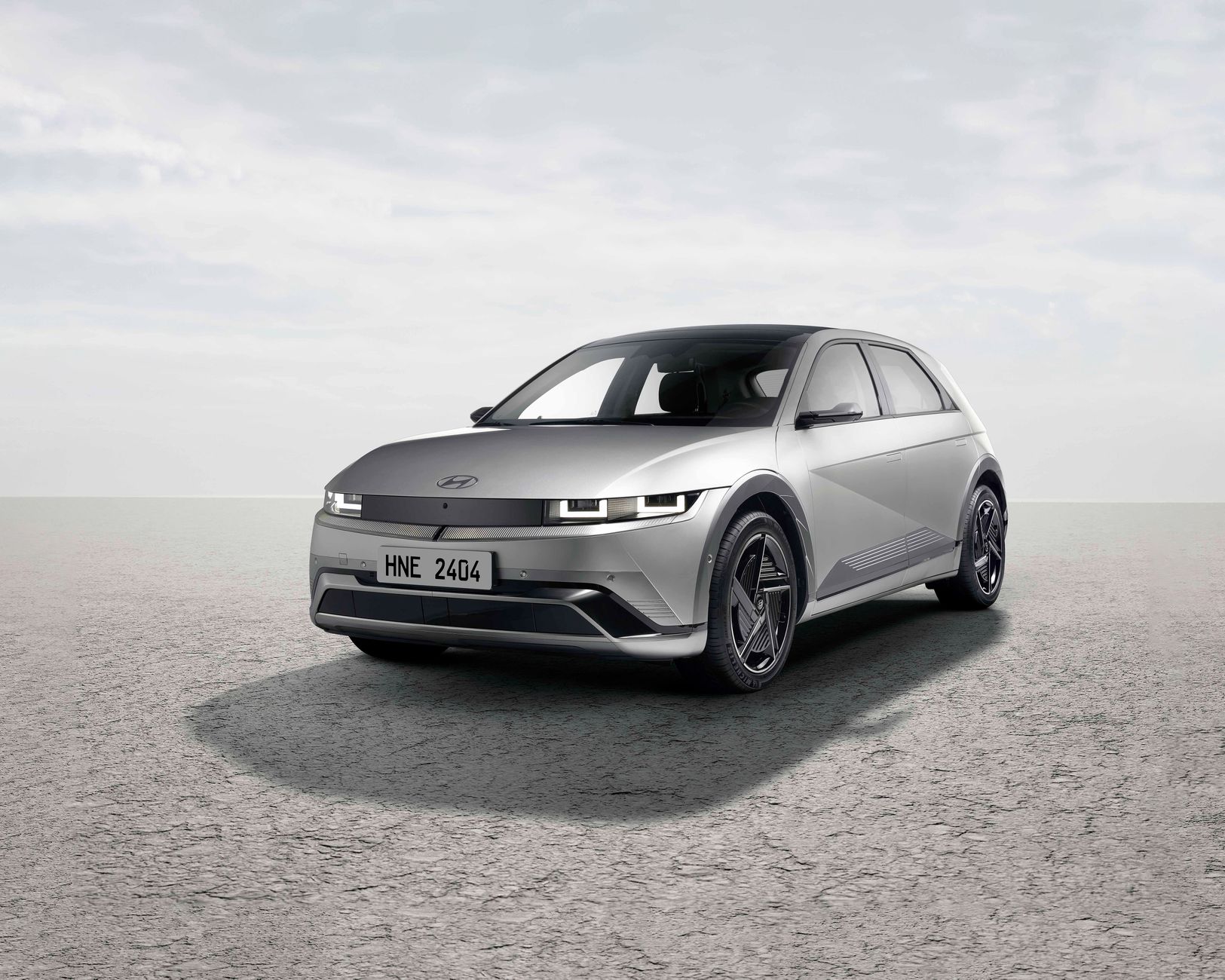
Among the five models, the most anticipated is the Hyundai Ioniq 5, an electric crossover that has already won accolades globally. It is expected to be launched in India soon, offering a range of over 400 km on a single charge and fast-charging capabilities. The Ioniq 5 will likely be brought in as a completely built unit (CBU) initially, with local assembly considered later. Following closely is the Hyundai Ioniq 6, an electric sedan with a sleek design and similar powertrain options. Both models are built on Hyundai's dedicated E-GMP platform, which supports ultra-fast charging. These EVs will target premium buyers who want zero-emission driving without compromising on performance or features.
Hyundai is also betting big on hybrid technology for India. The new-generation Hyundai Verna hybrid is expected to debut, offering a petrol-electric powertrain that delivers high fuel efficiency and lower emissions. This model will compete with the likes of the Honda City e:HEV and Maruti Suzuki's strong hybrid offerings. Another hybrid in the pipeline is the Hyundai Tucson hybrid, which will bring electrification to the popular SUV segment. The Tucson hybrid will feature a combination of a petrol engine and an electric motor, providing better mileage and a smoother driving experience. These hybrids are seen as a practical stepping stone for buyers not ready to go fully electric, especially in a country where charging infrastructure is still developing.
The fifth model could be a mass-market EV, possibly based on the Hyundai Casper EV or a new small electric SUV tailored for India. This model would be positioned below the Ioniq series and could be locally manufactured to keep costs competitive. It would rival the likes of the Tata Tiago EV and MG Comet EV. With these five models, Hyundai aims to cover a wide spectrum of the market, from affordable hybrids to premium electric vehicles. The table below summarises the expected models and their key details.
| Model | Type | Expected Launch | Key Features |
|---|---|---|---|
| Hyundai Ioniq 5 | Electric | Soon | 400+ km range, fast charging |
| Hyundai Ioniq 6 | Electric | Soon | E-GMP platform, sleek design |
| Hyundai Verna Hybrid | Hybrid | Soon | High fuel efficiency, lower emissions |
| Hyundai Tucson Hybrid | Hybrid | Soon | Petrol-electric combo, SUV practicality |
| Hyundai Casper EV (or similar) | Electric | Soon | Affordable, local manufacturing likely |
Industry observers note that Hyundai's move to bring both EVs and hybrids to India is a strategic one. While the government is pushing for electric mobility, hybrids offer an immediate solution to reduce emissions and fuel consumption. Hyundai's global expertise in both technologies gives it an edge. However, challenges remain, such as the high cost of batteries and the lack of widespread charging infrastructure. Hyundai is expected to address these by partnering with charging networks and exploring local battery assembly. The company has already invested in building a strong foundation in India, and these new models will further cement its reputation as a technology leader.
Analysts say that Hyundai's upcoming EV and hybrid line-up could accelerate the adoption of green vehicles in India, but success will depend on pricing and infrastructure development.
For Indian consumers, the arrival of these five models means more options and better technology. The Ioniq 5 and Ioniq 6 will appeal to early adopters and luxury buyers, while the Verna and Tucson hybrids will attract those looking for fuel-efficient alternatives to diesel and petrol. The mass-market EV will target first-time EV buyers. With Hyundai's strong brand image and extensive dealer network, these cars are likely to be well-received. Competitors like Tata Motors, Mahindra, and MG are also ramping up their EV plans, so the next few years will be crucial for the Indian automotive market. Hyundai's proactive approach could set a benchmark for others to follow.
As the launch dates approach, more details about specifications, pricing, and availability will emerge. Hyundai is expected to announce its plans officially in the coming months. For now, enthusiasts and potential buyers can look forward to a greener future on Indian roads. Stay tuned for updates on these exciting new Hyundai cars. For more automotive news and reviews, visit Autoverse.