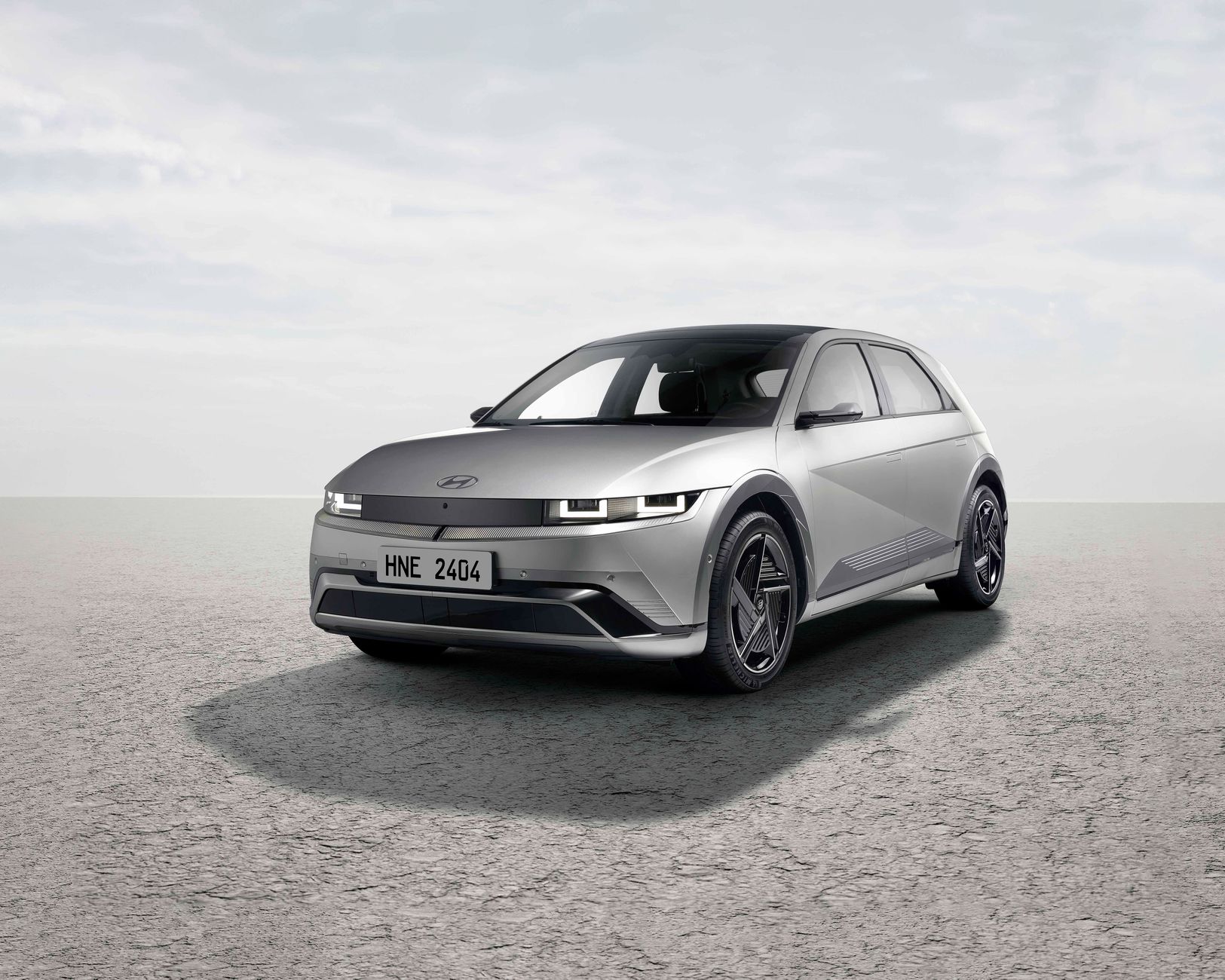
5 electric cars I'd buy instead of a new petrol SUV in India
As fuel prices continue to fluctuate and the Indian government pushes for cleaner mobility, the debate between buying a traditional petrol SUV and switching to an electric vehicle (EV) has become more relevant than ever. While petrol SUVs offer the familiar convenience of refueling anywhere, the total cost of ownership for an EV in India is increasingly attractive. Based on recent market trends and expert analysis, here are five electric cars that I would personally consider over a new petrol SUV, keeping in mind performance, range, and long-term savings.
1. Tata Nexon EV Prime – This compact SUV has been a bestseller in India, and for good reason. With a certified range of around 312 km on a single charge, it covers daily commutes and even weekend getaways without range anxiety. The Nexon EV Prime is priced from ₹14.49 lakh (ex-showroom), making it one of the most affordable electric SUVs. Compared to a petrol SUV like the Hyundai Creta (which starts at ₹11.18 lakh), the Nexon EV offers lower running costs—roughly ₹1.2 per km versus ₹7-8 per km for petrol. Over five years, the savings on fuel alone can exceed ₹2 lakh, according to industry estimates.
2. MG ZS EV – If you need more space and a longer range, the MG ZS EV is a compelling option. It offers a claimed range of 461 km (ARAI), which is among the best in its class. Priced from ₹23.38 lakh, it competes with mid-size petrol SUVs like the Jeep Compass (₹22.49 lakh) but adds advanced tech like a 10.1-inch touchscreen and connected car features. Analysts point out that the ZS EV's battery warranty of 8 years/1.5 lakh km provides peace of mind, and its fast-charging capability (0-80% in 60 minutes) makes long trips feasible.
3. Hyundai Kona Electric – Though slightly older, the Kona Electric remains a solid choice. It delivers a real-world range of about 350 km, and with a price tag of ₹23.79 lakh, it undercuts many petrol SUVs with similar features. The Kona's strong build quality and Hyundai's extensive service network are major advantages. A study by a leading auto consultancy found that the Kona's cost per kilometre is just ₹1.05, making it significantly cheaper to run than any petrol SUV.
4. Tata Tigor EV – For city dwellers looking for a budget-friendly EV, the Tigor EV is hard to beat. Priced at ₹12.49 lakh, it offers a range of 306 km and is perfect for daily commutes. While it's a sedan, its tall-boy design provides decent ground clearance, similar to some SUVs. The Tigor EV's running cost of around ₹1.1 per km means that over 10,000 km a year, you save nearly ₹60,000 compared to a petrol car (assuming petrol at ₹95/litre and mileage of 12 km/l).
5. Mahindra XUV400 – This is the newest entrant and perhaps the most exciting. With a range of up to 456 km (ARAI) and a price starting at ₹15.99 lakh, it directly challenges petrol SUVs like the Kia Seltos (starting ₹10.89 lakh). The XUV400 offers a powerful 150 PS motor, and its 39.4 kWh battery can be fast-charged. Mahindra claims a 0-100 km/h time of 8.3 seconds, making it quicker than most petrol SUVs in its price bracket. Experts note that the XUV400's combination of range, performance, and price makes it a strong value proposition.
To put the financial argument in perspective, consider the following comparison based on current Indian market prices and fuel costs (petrol at ₹95/litre, EV tariff at ₹5/kWh, and average usage of 15,000 km/year):
| Vehicle | Ex-showroom Price (₹) | Running Cost per km (₹) | Annual Fuel/Running Cost (₹) |
|---|---|---|---|
| Petrol SUV (e.g., Creta) | 11.18 lakh | 7.5 | 1,12,500 |
| Tata Nexon EV Prime | 14.49 lakh | 1.2 | 18,000 |
| MG ZS EV | 23.38 lakh | 1.0 | 15,000 |
| Hyundai Kona Electric | 23.79 lakh | 1.05 | 15,750 |
| Tata Tigor EV | 12.49 lakh | 1.1 | 16,500 |
| Mahindra XUV400 | 15.99 lakh | 1.15 | 17,250 |
As shown, the annual running cost of an EV is roughly 10-15% of a petrol SUV's, which translates to savings of over ₹90,000 per year. Over a five-year ownership period, that amounts to more than ₹4.5 lakh—enough to cover the price difference between most EVs and their petrol counterparts.
“The shift to electric is no longer just about environmental consciousness; it's a sound financial decision for Indian consumers,” say industry analysts. “With lower maintenance and fuel costs, EVs are becoming the smarter choice for the average buyer.”
Of course, the decision also depends on your charging infrastructure. If you have access to home or office charging, an EV becomes even more convenient. The government is rapidly expanding the public charging network, with over 5,000 stations across major cities as of 2025. For those who primarily drive within city limits or on well-travelled highways, these five EVs offer a compelling alternative to a new petrol SUV. They deliver not only lower running costs but also superior torque, silent operation, and advanced features that many petrol SUVs lack. In my opinion, the long-term benefits far outweigh the initial hesitation.
If you're ready to make the switch, explore the latest EV deals and reviews at Autoverse. Compare models, check real-world range, and find the perfect EV for your needs. Don't miss out on the future of driving—visit https://autoverse.cc today.