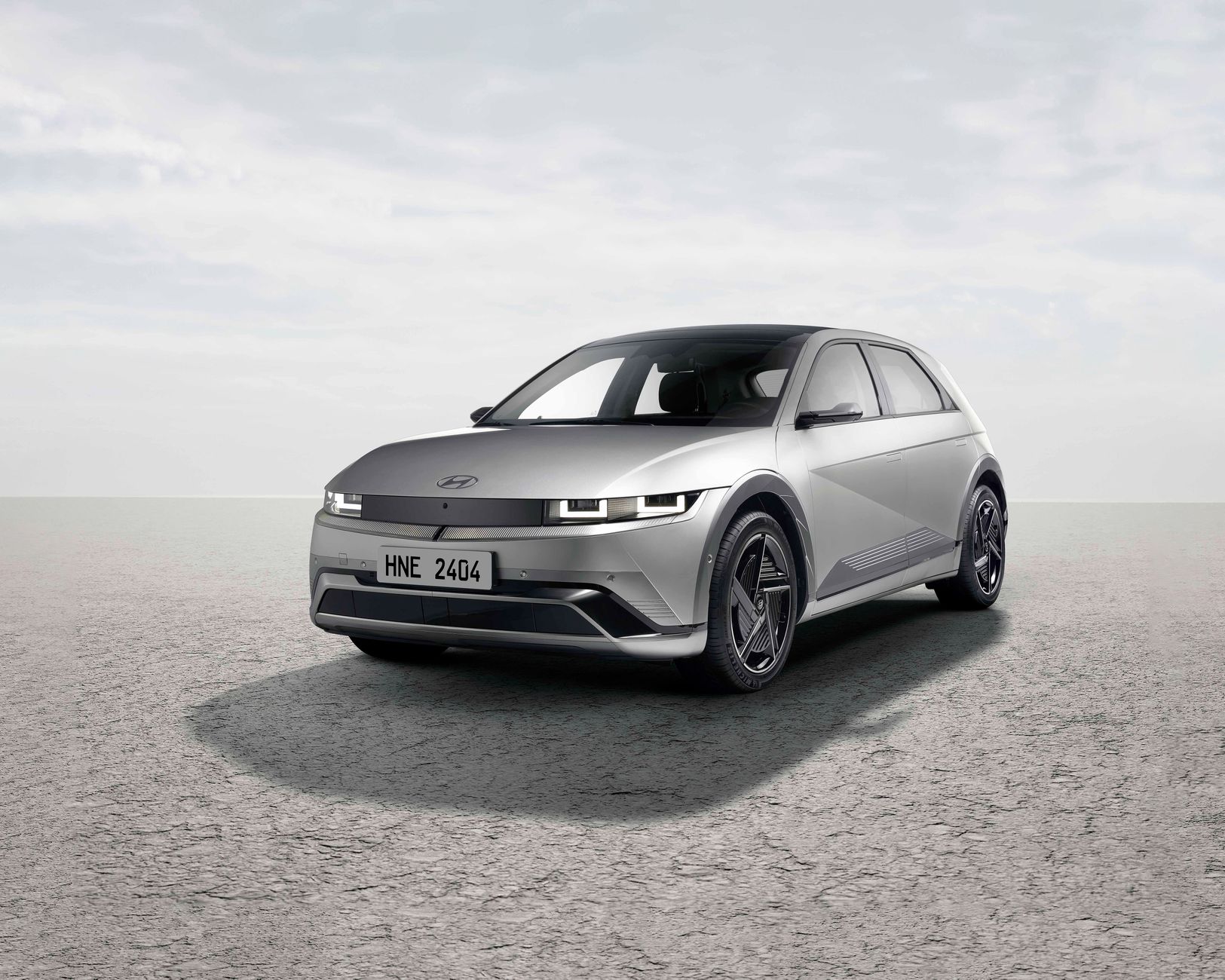
5 electric cars I would choose for exploring India by road
Exploring India by road is a dream for many, and with the rise of electric vehicles (EVs), that dream is becoming more accessible and sustainable. However, choosing the right EV for long-distance travel requires careful consideration of range, charging infrastructure, and comfort. Based on insights from HT Auto, here are five electric cars that stand out for their road-trip capabilities in India.
First on the list is the Tata Nexon EV. It has been a popular choice among Indian buyers due to its practical range and widespread service network. With a range that suits daily commuting and occasional highway trips, the Nexon EV offers a balanced package. Its compact SUV design provides good ground clearance, which is beneficial for India's varied road conditions. The charging network for Tata EVs is also expanding, making it easier to plan longer journeys.
Next, the MG ZS EV is another strong contender. Known for its premium feel and spacious interior, the ZS EV offers a comfortable ride for families. It comes with a larger battery pack, providing a longer range that reduces range anxiety on long drives. MG has also partnered with charging networks to offer exclusive benefits to its customers, enhancing the ownership experience.
The Hyundai Kona Electric is a more premium option, with a sleek design and impressive efficiency. Its aerodynamic profile and advanced battery technology allow for a longer range on a single charge. The Kona also features fast-charging capability, which is crucial for minimizing downtime during road trips. While it is priced higher, the Kona appeals to those who prioritize performance and technology.
For those who prefer a sedan, the Tata Tigor EV is a budget-friendly alternative. Though smaller, it offers a decent range and is ideal for city-to-city travel. Its compact size makes it easy to maneuver in congested areas, and the lower price point makes EV ownership more accessible. However, for extensive road trips, the Tigor may require more frequent charging stops.
Finally, the Mahindra XUV400 is a newer entrant that promises a good balance of range and price. It is built on the success of Mahindra's electric technology and offers a spacious cabin. With a competitive range, the XUV400 is positioned to be a practical choice for Indian roads. Its growing service network adds to its appeal.
| Model | Range (km) | Charging Time | Price (₹) |
|---|---|---|---|
| Tata Nexon EV | 312 | 60 min (fast) | 14.49 lakh |
| MG ZS EV | 461 | 50 min (fast) | 23.38 lakh |
| Hyundai Kona Electric | 452 | 57 min (fast) | 24.03 lakh |
| Tata Tigor EV | 306 | 65 min (fast) | 12.49 lakh |
| Mahindra XUV400 | 375 | 50 min (fast) | 15.99 lakh |
When planning a road trip in an EV, it's essential to consider the charging infrastructure along your route. While major highways are seeing more charging stations, remote areas may still have gaps. Analysts suggest that the EV ecosystem in India is improving, but planning is key. It's advisable to map out charging points in advance and keep a buffer for unexpected detours.
“The success of electric road trips in India will depend on the expansion of charging networks and the reliability of range estimates.” – industry observers
In conclusion, each of these electric cars offers unique strengths for exploring India by road. The Tata Nexon EV is a well-rounded choice, the MG ZS EV provides comfort and range, the Hyundai Kona Electric delivers premium performance, the Tata Tigor EV is budget-friendly, and the Mahindra XUV400 is a promising new option. Your final decision should align with your budget, driving habits, and the regions you plan to explore. As the EV ecosystem continues to grow, the possibilities for sustainable road trips are expanding. For more insights and detailed comparisons, visit autoverse.cc and plan your next adventure with confidence. Whether you are a first-time EV buyer or a seasoned enthusiast, the right electric car can make your journey across India both enjoyable and eco-friendly.