2027 Hyundai Bayon Gets Radical New Design - Spied - CarLelo
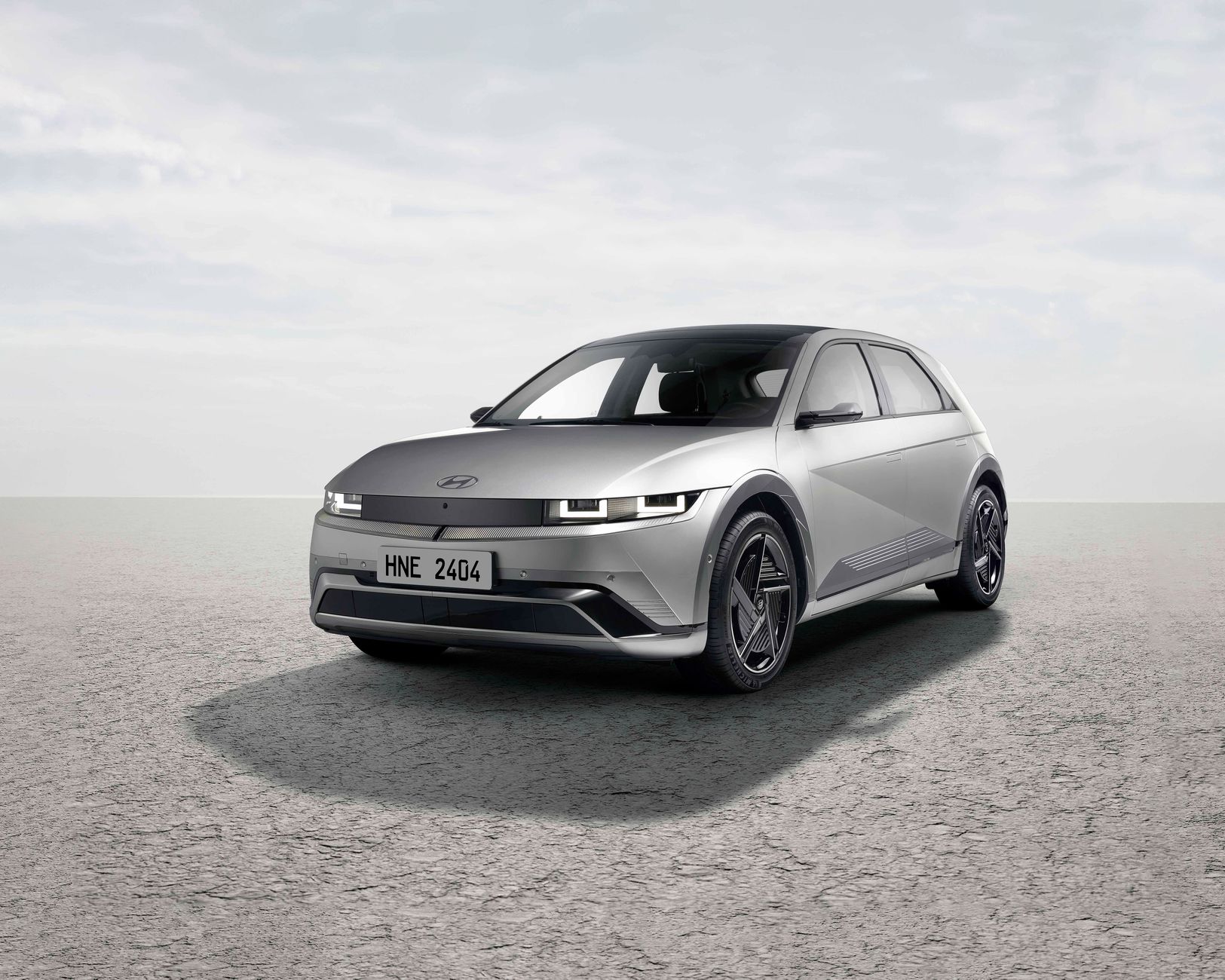
The 2027 Hyundai Bayon has been caught on camera once again, and this time the prototype reveals a radical new design that signals a major shift for the subcompact crossover. The spy shots, shared by CarLelo, show a heavily camouflaged test mule with a completely revamped front fascia, slimmer LED headlamps, and a more aggressive bumper. The overall silhouette appears lower and wider, giving the Bayon a sportier stance that aligns with Hyundai's latest design language seen on models like the new Tucson and Kona.
Under the skin, the Bayon is expected to ride on an updated version of the K1 platform, which currently underpins the i20 and the existing Bayon. While Hyundai has not confirmed any mechanical details, industry insiders suggest that the powertrain lineup will carry over with the 1.0-litre T-GDi turbo petrol and the 1.2-litre naturally aspirated petrol, possibly with mild-hybrid assistance for improved efficiency. In India, the Bayon has been a niche offering, but with this radical redesign, Hyundai may look to position it more aggressively against rivals like the Maruti Suzuki Brezza and the Tata Nexon.
The interior is expected to get a complete overhaul as well, with a larger touchscreen infotainment system, a fully digital instrument cluster, and a host of connected car features. Hyundai has been focusing on safety, and the new Bayon is likely to come equipped with Level 2 ADAS, multiple airbags, and electronic stability control as standard. Analysts say that the updated Bayon could play a crucial role in Hyundai's strategy to strengthen its presence in the compact SUV segment, which is the largest in the Indian market.
According to the spy report, the new Bayon is scheduled to hit global markets in 2027, with an Indian launch possibly following shortly after. However, given the current market dynamics, Hyundai may choose to prioritize the Creta and Venue, leaving the Bayon as a niche product. The design, though, is a clear departure from the current model, featuring a more coupe-like roofline and sculpted body panels. The rear also gets a new LED light bar that spans the width of the tailgate, reminiscent of the Ioniq 5.
Here is a quick comparison of the expected changes based on the spy shots and industry trends:
| Feature | Current Bayon | 2027 Bayon (Expected) |
|---|---|---|
| Front Design | Conventional grille, upright stance | Aggressive, slim LED lights, wide grille |
| Rear Design | Separate tail lamps | Full-width LED light bar |
| Platform | K1 (same as i20) | Updated K1 with possible electrification |
| Safety | Basic airbags | Level 2 ADAS, multiple airbags |
| Infotainment | 8-inch touchscreen | Larger 10.25-inch display with connected car tech |
"The Bayon's radical redesign is a clear signal that Hyundai is willing to take risks to stand out in a crowded segment. The new design language will likely trickle down to other models, and if the Bayon gets the right features and pricing, it could become a strong contender in India." — analysts say.
The 2027 Bayon is still under development, and more details are expected to emerge as the launch date approaches. For now, the spy shots have generated significant buzz, and enthusiasts are eagerly waiting to see how the final production version looks. If Hyundai manages to bring this radical design to India with the right powertrain options, it could give the Bayon a new lease of life in a market that is increasingly favouring bold, feature-rich SUVs.
In the meantime, if you're considering a compact SUV, the Bayon might be worth waiting for. But if you can't wait, there are plenty of other options available. For the latest updates on the 2027 Hyundai Bayon and other car news, keep an eye on autoverse.cc. Visit autoverse.cc for more insights and detailed reviews.