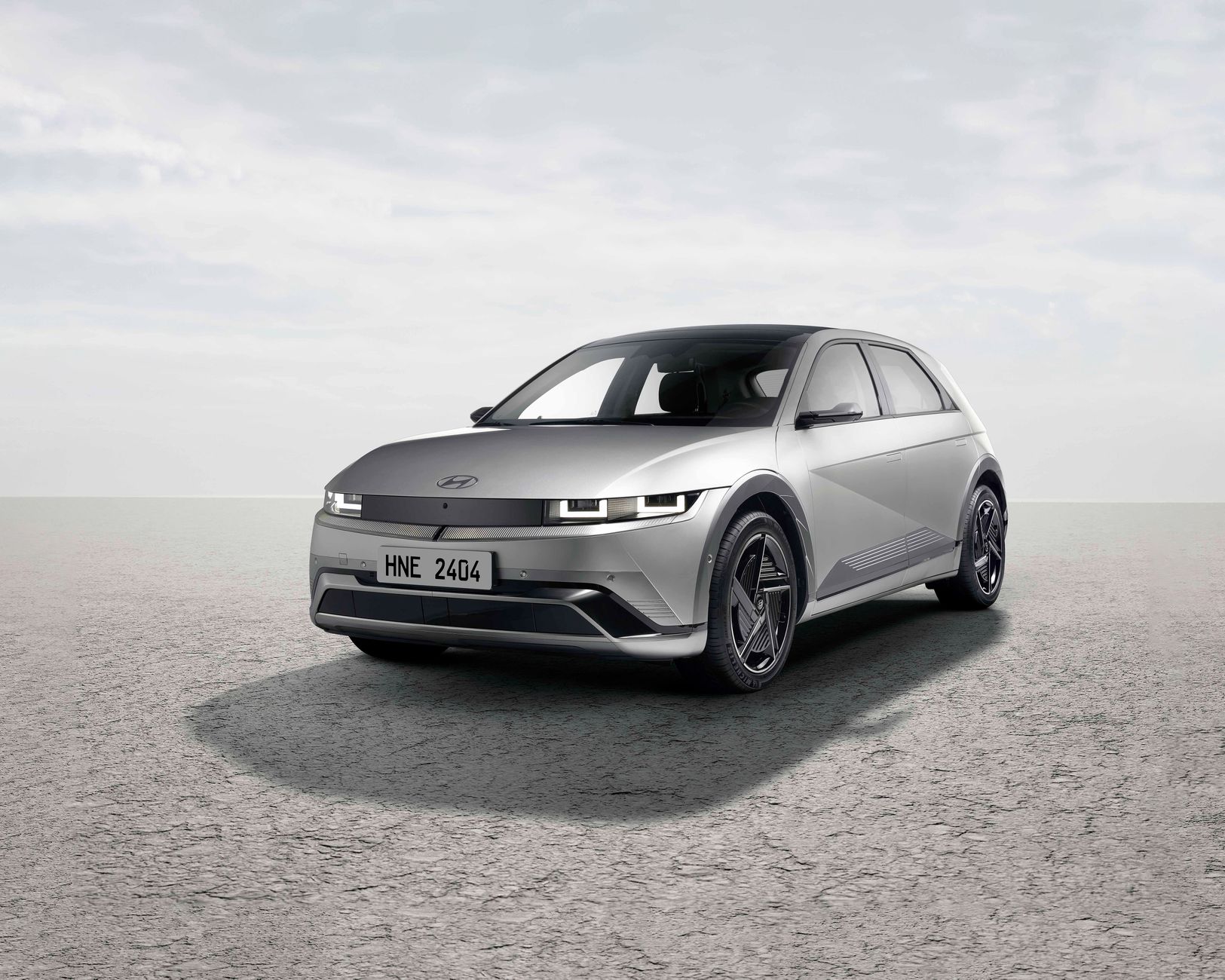
11 New Affordable Electric Cars in India: Hyundai HE1i to Honda Zero Alpha
India's affordable electric car space is set for a busy phase, with a wave of new models lined up across mass-market and premium-compact segments. The list spans established names such as Hyundai, Honda, Maruti Suzuki and Tata Motors, alongside newer entrants looking to capture first-time EV buyers. For Indian buyers, the key questions remain the same: how soon will these cars arrive, what will they cost, and will they deliver the real-world range and practicality that family use demands. Analysts say the next two years will be decisive for electric mobility in India, as more affordable options move EVs from a niche purchase to a mainstream consideration for urban and semi-urban households alike.
The Hyundai HE1i is among the most anticipated launches, positioned as an affordable electric option for Indian buyers. Honda's Zero Alpha, part of the brand's global EV push, is also on the radar for India. Alongside these, Maruti Suzuki's electric plans and Tata Motors' expanding EV line-up are expected to keep the sub-₹20 lakh space competitive. The broader trend is clear: manufacturers are shifting from premium-only electric offerings towards models designed for volume, with attention on localisation, charging convenience and lower running costs. Industry observers note that pricing discipline and charging infrastructure will decide how quickly Indian buyers adopt these vehicles.
Analysts say the next phase of EV growth in India will depend less on flagship launches and more on affordable models that fit family budgets, with charging access and running costs emerging as the deciding factors for first-time buyers.
What makes this batch significant is the mix of body styles and price points. Some models are expected to target urban commuters with compact footprints, while others aim at families wanting more space and range. The table below summarises the key details available on the upcoming launches, including brand, model and expected positioning.
| Brand | Model | Expected Positioning |
|---|---|---|
| Hyundai | HE1i | Affordable mass-market EV |
| Honda | Zero Alpha | Compact electric offering |
| Maruti Suzuki | Upcoming EV | Entry-level electric |
| Tata Motors | New EV line | Mainstream electric |
For Indian buyers, the practical considerations go beyond the showroom price. Home charging access, the availability of fast chargers on highways, and the cost of battery replacement over the ownership period all influence the long-term value of an electric car. Analysts say that as more affordable models enter the market, competition will push manufacturers to improve standard equipment, offer longer warranties and refine battery efficiency. This is likely to benefit buyers who have so far held back from switching to electric due to high upfront costs.
The upcoming launches also reflect a broader shift in how carmakers approach the Indian market. Rather than importing premium EVs, several brands are localising production and sourcing components within India to keep prices competitive. This approach is expected to lower entry barriers and make electric cars viable for a wider section of buyers. Dealers and industry watchers point out that financing options, resale value and service network coverage will play a role in building consumer confidence, particularly in smaller cities where EV awareness is still growing.
As these 11 models move closer to launch, buyers will have more choice than ever in the affordable electric segment. The coming months will reveal final specifications, pricing and delivery timelines, and Cartoq-style coverage will continue to track each development. For those planning to go electric, comparing range, charging support and ownership costs will be essential before booking. Follow our ongoing coverage for updates on launch dates and prices.
Want detailed comparisons, launch updates and ownership insights on these upcoming EVs? Visit autoverse.cc for the latest news, reviews and buying guides tailored to Indian buyers.